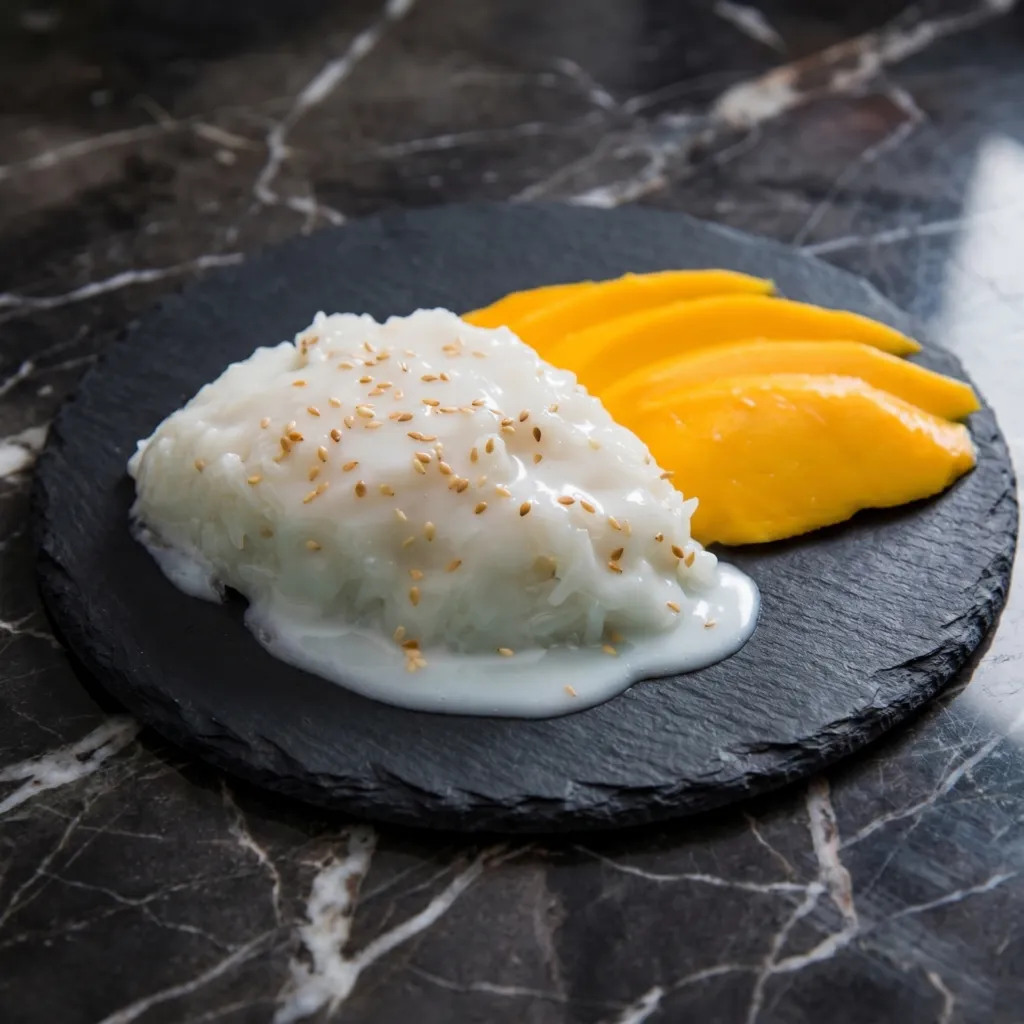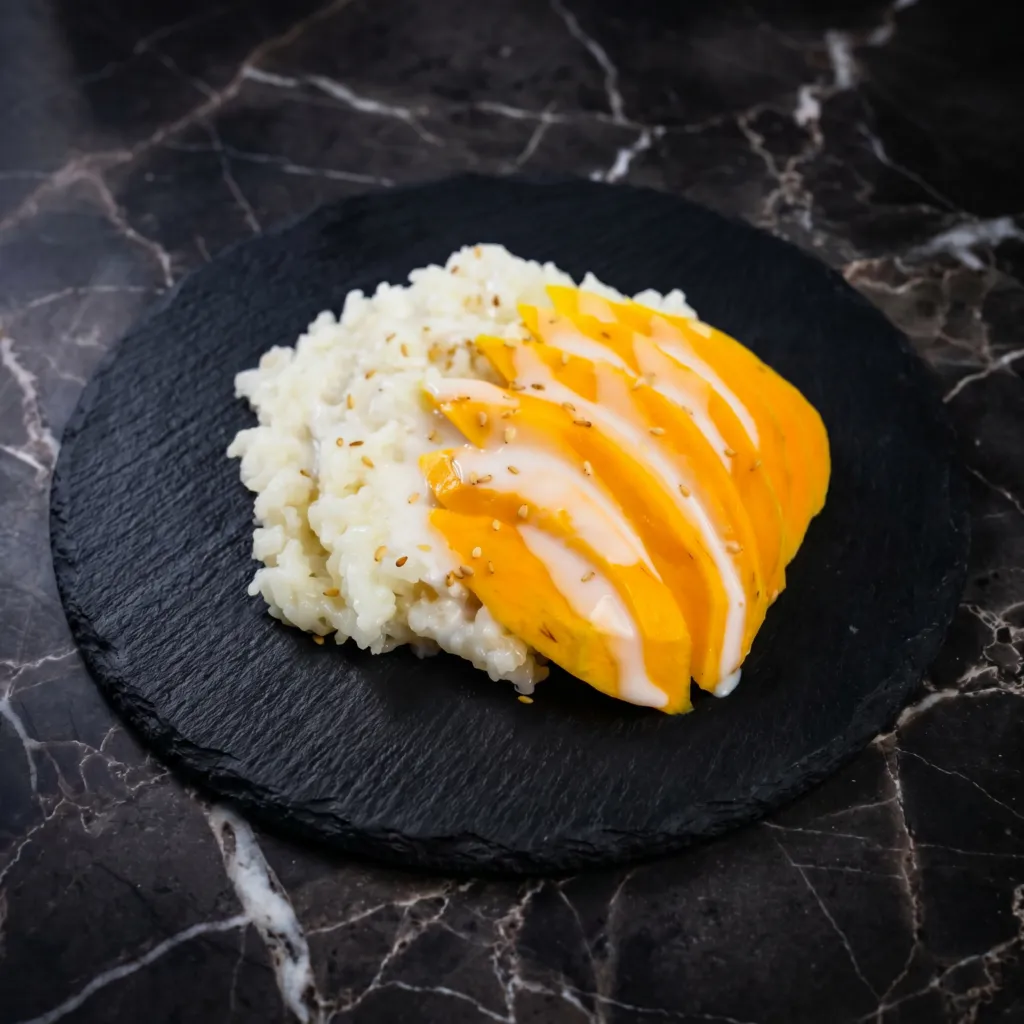
If there’s one dessert that perfectly captures the essence of tropical indulgence, it’s Thai Mango Sticky Rice. Known in Thailand as khao niao mamuang, this beloved dessert pairs sweet, juicy ripe mango slices with tender coconut-infused sticky rice, finished with a drizzle of creamy coconut sauce. The combination is simple yet luxurious—soft, sweet, salty, and fragrant all at once.
Despite its elegant appearance, Thai Mango Sticky Rice is surprisingly easy to make at home. With the right technique and a little patience, you can recreate this iconic dessert in your own kitchen. Let’s walk through it step by step.
Why You’ll Love This Recipe
- Naturally gluten-free
- Perfect balance of sweet and salty
- Creamy coconut flavor
- Minimal ingredients
- Stunning presentation
This dessert is refreshing, comforting, and deeply satisfying.
Important: Make sure to use glutinous rice, not regular jasmine rice. Sticky rice is essential for the proper texture.
Rinse and Soak the Rice
Place the glutinous rice in a large bowl and rinse under cold water until the water runs mostly clear. This removes excess starch and helps create the right texture.
Cover the rice completely with water and soak for at least 4 hours, preferably overnight.
Soaking allows the grains to absorb moisture, ensuring even cooking.
Steam the Sticky Rice
Drain the soaked rice.
Line a bamboo steamer or metal steamer basket with cheesecloth or a clean kitchen towel.
Spread the rice evenly inside.
Place over simmering water (make sure the rice does not touch the water).
Cover and steam for 20–25 minutes until the rice becomes tender and translucent.
Avoid boiling the rice directly in water, as this changes the texture completely.
Prepare the Coconut Mixture
While the rice is steaming, combine coconut milk, sugar, and salt in a saucepan.
Heat over medium-low heat, stirring gently until the sugar dissolves.
Do not let it boil—gentle heating preserves the creamy texture.
Once dissolved, remove from heat.
Reserve about ½ cup of the coconut sauce for drizzling later.
Combine Rice and Coconut Sauce
Transfer the hot steamed rice into a large bowl.
Immediately pour the remaining coconut sauce over the rice.
Gently fold the rice to evenly coat it.
Cover the bowl with a lid or plastic wrap and let it sit for 20–30 minutes.
During this time, the rice absorbs the coconut mixture, becoming rich and flavorful.
Prepare the Mangoes
Choose ripe mangoes that yield slightly when pressed.
Peel and slice the mangoes into thin strips or wide slices.
For a traditional presentation, slice along both sides of the pit, score the flesh into cubes, then scoop out with a spoon.
Sweet, fragrant mango is essential to balance the creamy rice.
Adjust the Coconut Drizzle
If the reserved coconut sauce has thickened too much, gently reheat it and add a tablespoon of coconut milk or water to thin slightly.
The sauce should be pourable but still creamy.
This drizzle adds extra richness and visual appeal.
Plate Beautifully
Spoon a mound of coconut sticky rice onto a serving plate.
Arrange mango slices neatly beside it.
Drizzle a few tablespoons of the reserved coconut sauce over the rice.
Sprinkle with toasted sesame seeds or crispy mung beans if desired.
Presentation matters—contrast the bright yellow mango against the creamy white rice.
Serve Fresh
Thai Mango Sticky Rice is best served slightly warm or at room temperature.
The rice should be soft and tender, not cold or firm.
Serve immediately for the best texture and flavor.
Tips for Perfect Thai Mango Sticky Rice
- Use high-quality full-fat coconut milk for maximum creaminess.
- Never boil the coconut sauce.
- Steam the rice instead of boiling.
- Allow enough resting time for the rice to absorb the coconut mixture.
- Use perfectly ripe mangoes for natural sweetness.
Attention to detail makes a noticeable difference in this simple dessert.
Common Mistakes to Avoid
- Using regular rice instead of glutinous rice
- Skipping the soaking step
- Overheating the coconut milk
- Serving the rice too cold
- Using underripe mangoes
Avoiding these mistakes ensures authentic texture and flavor.
Make-Ahead and Storage
You can prepare the sticky rice a few hours ahead of time.
Store covered at room temperature for up to 6 hours.
If refrigerating, gently reheat the rice before serving to restore softness.
Mango slices should be cut just before serving for best freshness.
Flavor Variations
While traditional mango sticky rice is simple, you can experiment by:
- Adding pandan extract to the rice for fragrance
- Infusing the coconut milk with a bruised lemongrass stalk
- Using black sticky rice for a colorful twist
These subtle additions enhance complexity without overpowering the classic flavor.
Final Thoughts
Thai Mango Sticky Rice is a dessert that feels both exotic and comforting. The creamy coconut-infused rice pairs beautifully with sweet, juicy mango for a balance of richness and freshness. Each bite delivers soft texture, gentle sweetness, and a hint of salt that keeps you coming back for more.
What makes this dessert truly special is its simplicity. With just a handful of ingredients and careful technique, you can recreate an iconic Thai favorite in your own kitchen.
Whether served at a dinner party, enjoyed as a summer treat, or prepared to satisfy a tropical craving, Thai Mango Sticky Rice is always a showstopper.
Sweet, creamy, fragrant, and beautifully balanced—this dessert is pure tropical bliss on a plate.