French toast should be perfect. The edges should be crisp and golden, kissed by butter and heat until they shatter slightly when you cut into them. The center should be soft, rich, and custard-like—never soggy, never dry.
And the flavor? Warm vanilla and cinnamon mingling with the richness of eggs and cream. This is that recipe. It’s the one you’ll memorize, the one you’ll make for lazy Saturday mornings, the one your family will request again and again. We’re skipping the shortcuts and getting straight to the best French toast of your life.
The Science of the Perfect Custard & The Right Bread
Great French toast is a balance of science and technique. The custard is the foundation: a careful ratio of eggs to dairy. Too many eggs and you get something that tastes like scrambled eggs on bread. Too much milk and you get soggy, flavorless toast. The magic ratio is roughly one egg for every ¼ cup of dairy, with an extra yolk thrown in for richness.
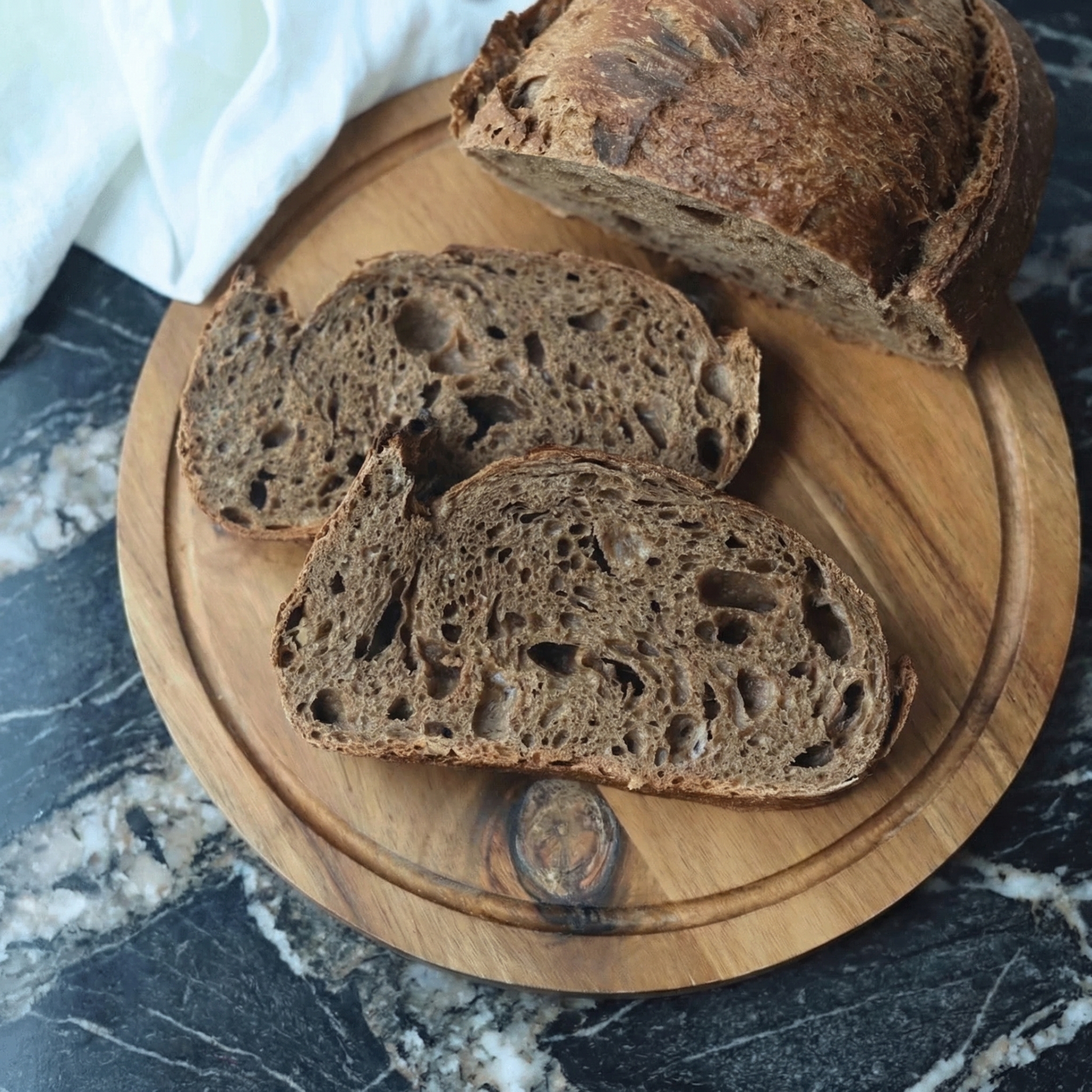
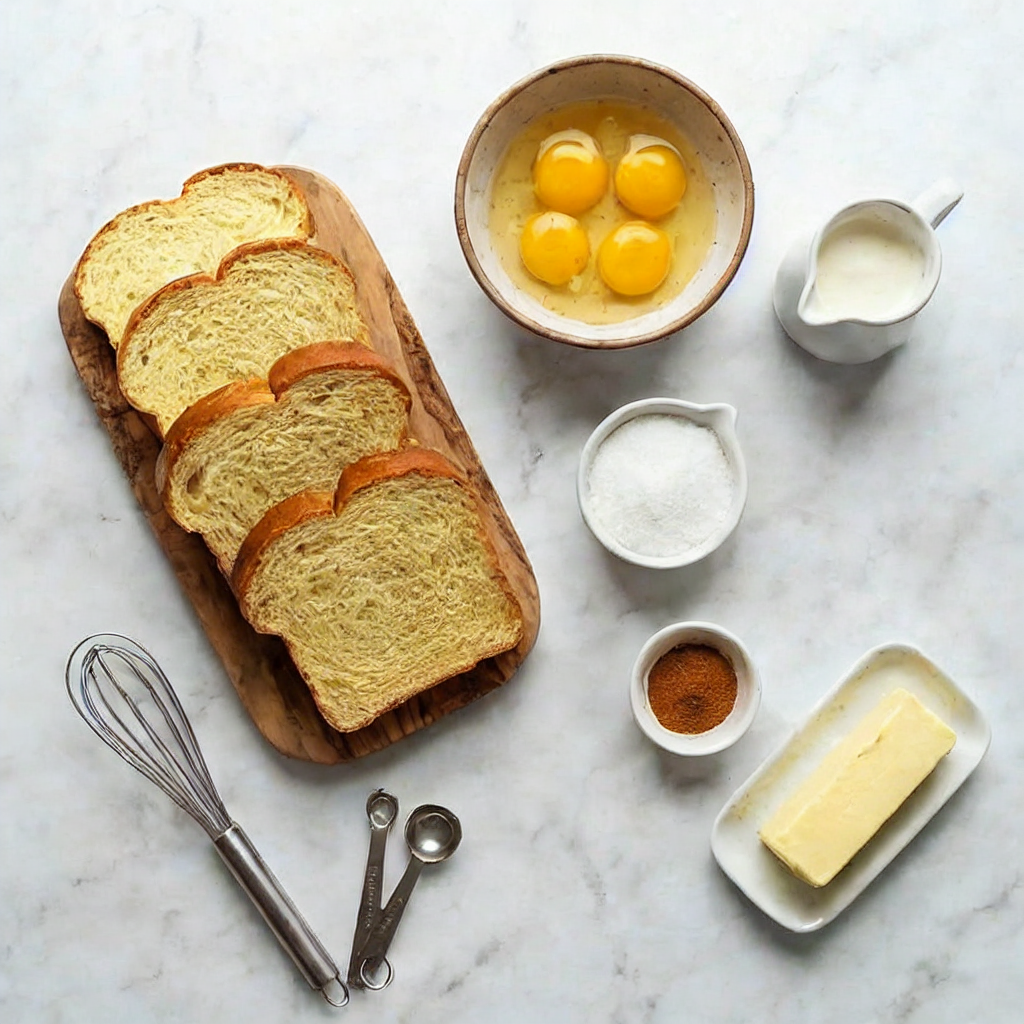
The bread is equally crucial. You need something sturdy enough to soak up the custard without disintegrating—day-old, thick-sliced brioche or challah is ideal. Their rich, slightly sweet crumb and tight structure act like a sponge, absorbing the custard while holding their shape. The final secret?
Not over-soaking. A quick dip (about 20-30 seconds per side) ensures the bread is saturated but not falling apart, giving you that perfect contrast between crispy exterior and soft, tender center.
Ingredients
Instructions
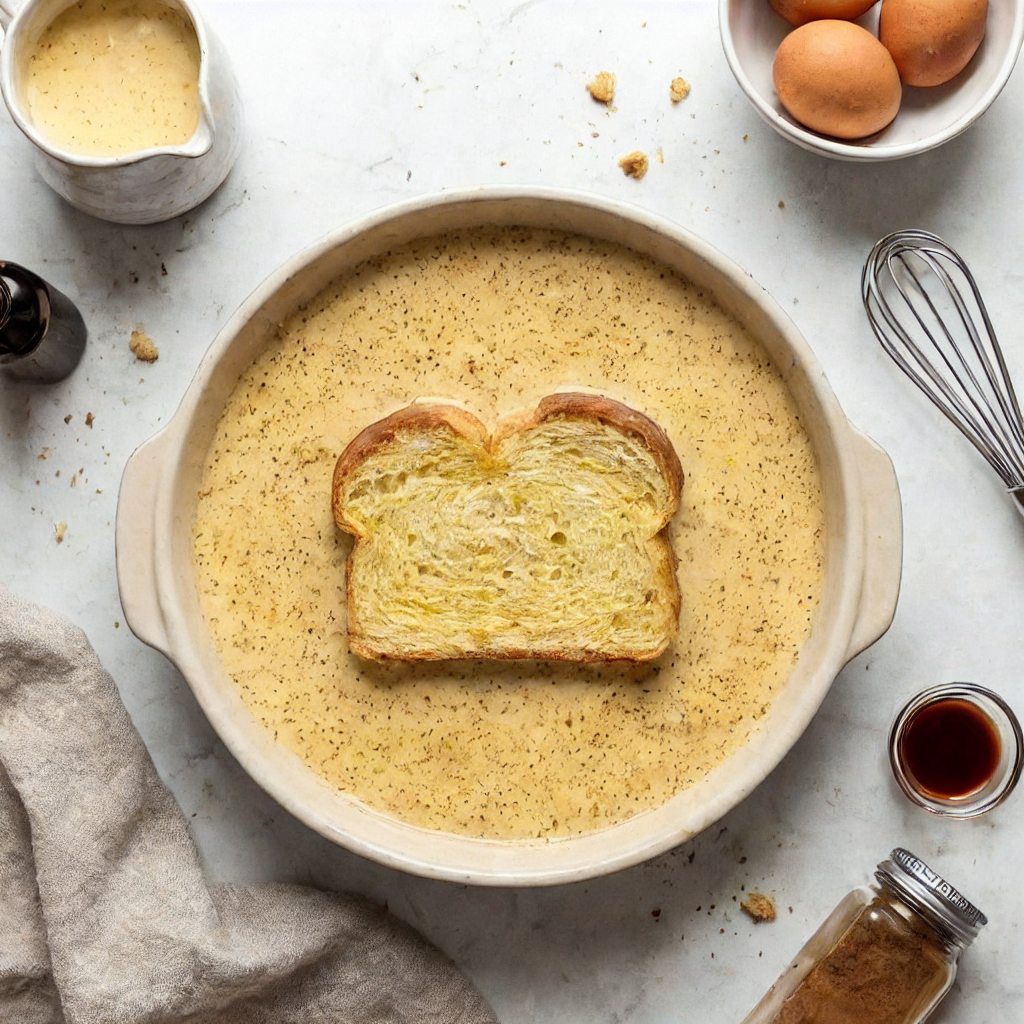
Prep Your Bread
If your bread is fresh, leave the slices out on the counter for an hour or two to dry out slightly, or pop them in a 300°F oven for 5-7 minutes per side. Stale, slightly dried bread soaks up the custard better without turning into mush.
Make the Custard
In a large, shallow dish (like a pie plate or 9×13 baking dish), whisk together the eggs and egg yolk until they’re completely broken up and slightly frothy.
Whisk in the whole milk, heavy cream, granulated sugar, vanilla extract, cinnamon, nutmeg, and salt. Whisk until the sugar is dissolved and everything is well combined. The mixture should be smooth and smell like vanilla and cinnamon.
Heat Your Skillet
Place a large non-stick skillet or griddle over medium heat. Add about 1 tablespoon of butter and let it melt, swirling to coat the pan. The butter should sizzle gently but not brown immediately—that’s the perfect temperature.
Soak the Bread
Working with one slice at a time, dip the bread into the custard mixture. Let it soak for about 20-30 seconds per side. You want the bread to be fully saturated but not falling apart. If you’re using a very thick, sturdy bread, you may need a few extra seconds per side.
Let the Excess Drip Off
As you lift the bread from the custard, let the excess drip back into the dish. This prevents a soggy final product.
Cook to Golden Perfection
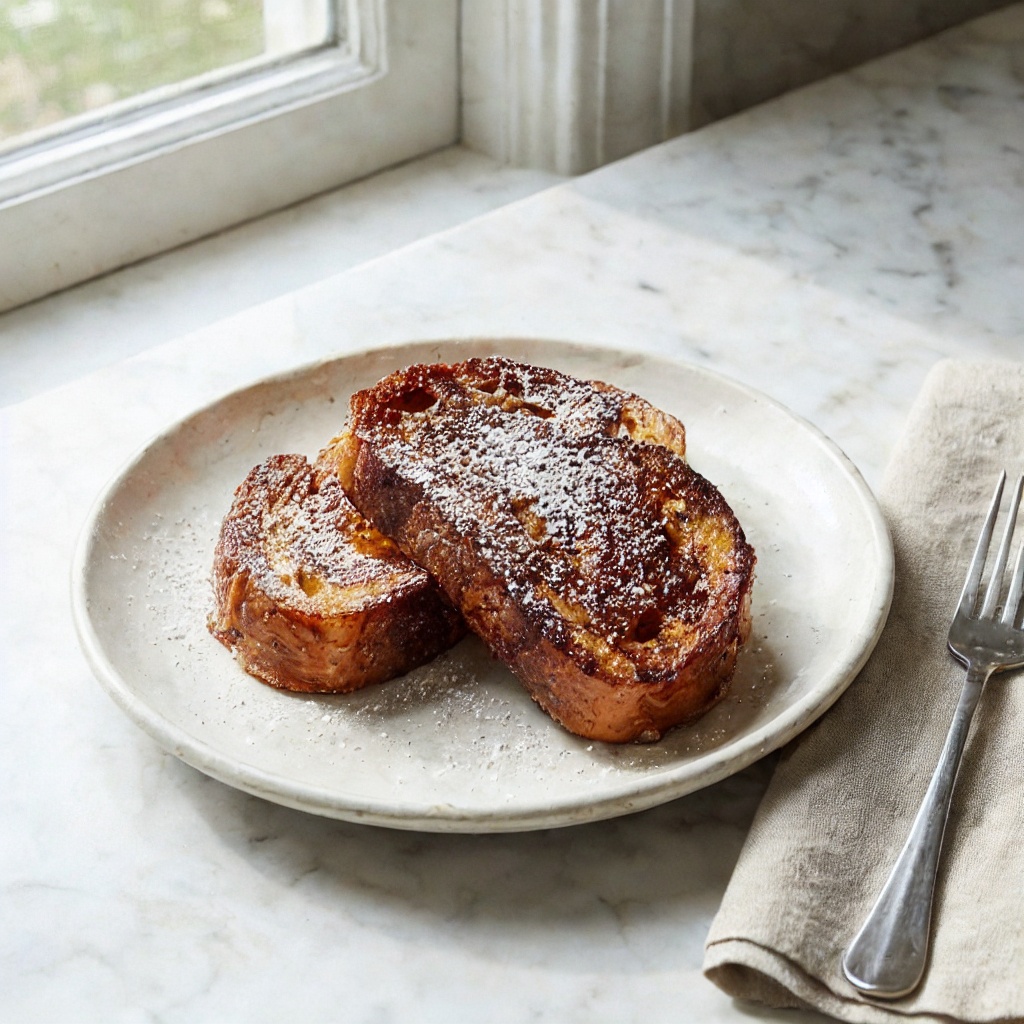
Carefully place the soaked bread onto the hot, buttered skillet. Cook for 2-4 minutes per side, until the bottom is deep golden brown and crispy. Flip carefully and cook the other side for another 2-4 minutes. The French toast should feel slightly firm to the touch but still have a little give.
Keep Warm (Optional)
If you’re cooking multiple batches, keep the finished French toast warm on a baking sheet in a 200°F oven while you finish the rest.
Add More Butter Between Batches
Before adding more soaked bread to the skillet, add another tablespoon of butter. This ensures each batch gets that beautifully crispy, buttery edge.
Serve Immediately
Stack the French toast on warm plates. Top each stack with a pat of butter, a generous dusting of powdered sugar, a handful of fresh berries, and a generous drizzle of warm maple syrup.
Enjoy Every Bite
Serve immediately while it’s hot, crispy, and absolutely perfect.
Pro-Tips for French Toast Greatness
- Use Day-Old Bread: Fresh bread is too soft and will turn into a soggy mess. Slightly stale bread is the secret to perfect texture.
- Don’t Over-Soak: A quick dip is all you need. Over-soaking leads to bread that falls apart in the pan.
- Medium Heat is Your Friend: Too high and the outside burns before the inside cooks; too low and the bread absorbs too much butter and becomes greasy. Medium heat gives you a golden crust and a cooked-through center.
- Clean Your Pan Between Batches: If you have burnt bits in the pan, wipe it out with a paper towel and start with fresh butter.
- Warm Your Syrup: Cold maple syrup will immediately cool down your perfect French toast. Warm it gently in the microwave or a small saucepan for the ultimate experience.