There’s something magical about a Bundt cake—the elegant shape, the tender crumb, and the way it effortlessly turns an everyday dessert into a centerpiece. Now, imagine adding a subtle tang and depth of flavor from sourdough starter.
That’s exactly what makes a Sourdough Bundt Cake irresistible. The natural fermentation of the sourdough adds complexity and moisture, creating a cake that’s soft, flavorful, and perfect for breakfast, brunch, or dessert.
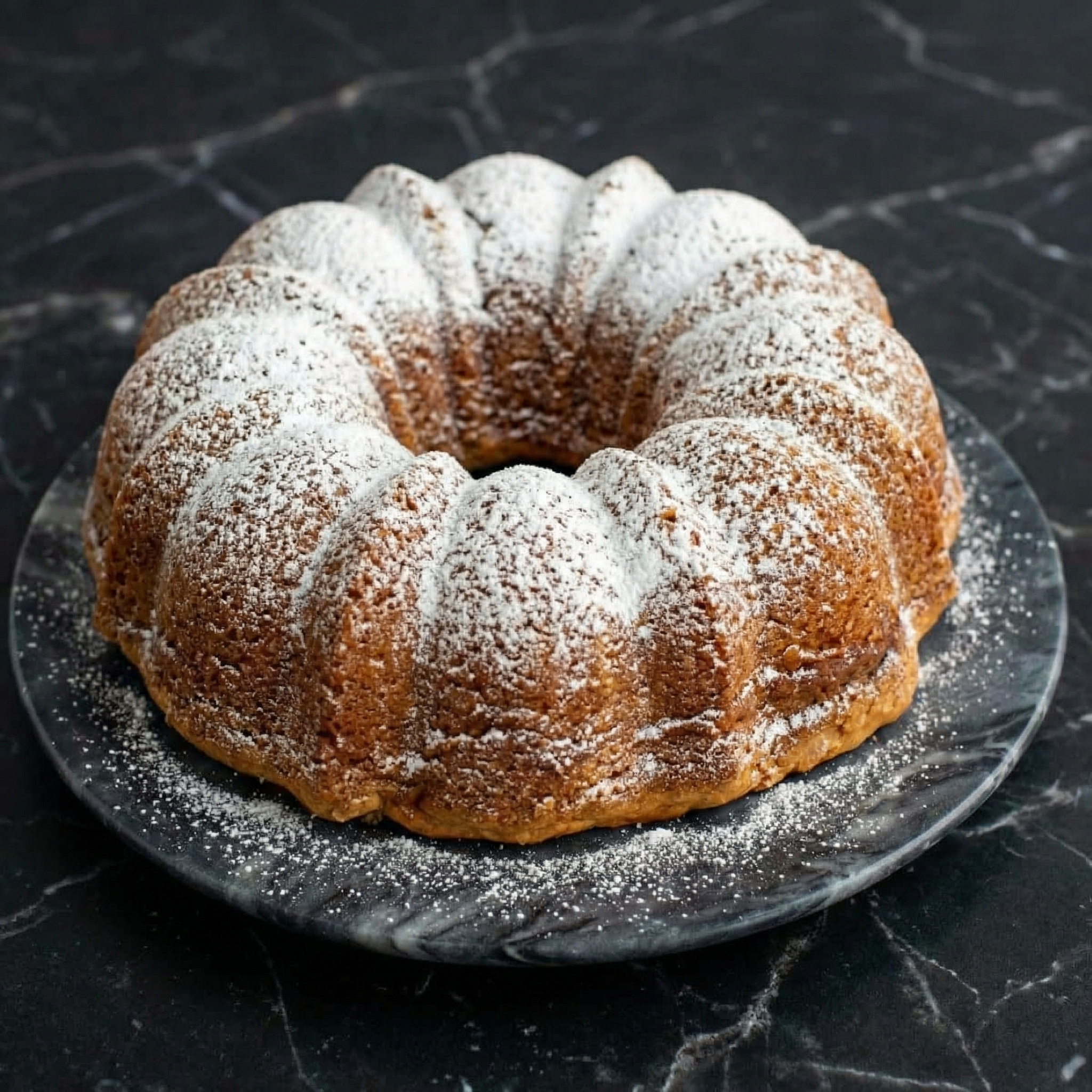
This step-by-step guide will walk you through creating a gorgeous Sourdough Bundt Cake from start to finish, including tips for balancing sourdough tang, creating a tender crumb, and achieving a perfectly baked Bundt with a beautiful golden crust—no glaze needed.
Why You’ll Love This Sourdough Bundt Cake
- Soft, moist, and tender crumb with a subtle tang
- Elegant presentation perfect for brunch or special occasions
- Uses your sourdough starter in a creative way
- Easy to flavor with spices, citrus, or vanilla
- Perfect on its own—rich, flavorful, and beautifully golden
The sourdough provides depth and moisture, while the careful balance of sugar, fat, and leavening creates a cake that holds its shape and slices cleanly without needing any glaze.
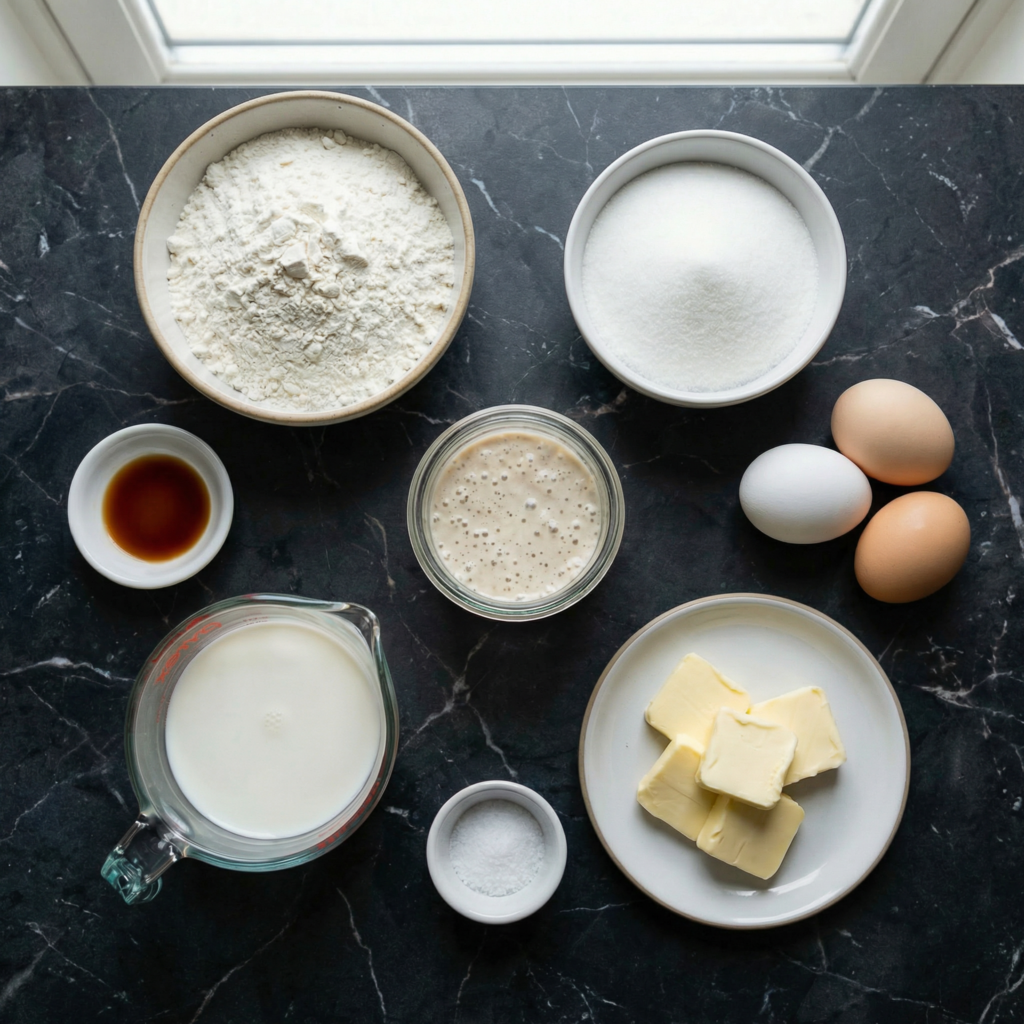
Prepare the Bundt Pan
Grease a 10–12 cup Bundt pan thoroughly with butter or non-stick spray, making sure to get into every groove.
Lightly dust with flour, tapping out the excess.
Proper pan preparation ensures a clean release and a perfect Bundt shape.
Mix Dry Ingredients
In a medium bowl, whisk together flour, baking powder, baking soda, salt, and cinnamon if using. Set aside.
This ensures even distribution of leavening agents and spices.
Cream Butter and Sugars
In a large bowl, beat softened butter with granulated sugar and brown sugar until light and fluffy, about 3–4 minutes.
Add eggs one at a time, beating well after each addition.
Stir in vanilla extract and citrus zest if desired.
Creaming the butter and sugar thoroughly creates a light, airy texture in the final cake.
Incorporate the Sourdough Starter
Mix in the active sourdough starter until fully combined.
The starter adds subtle tang and keeps the cake moist and tender.
Alternate Adding Dry Ingredients and Milk
With the mixer on low speed, add one-third of the dry ingredients to the butter mixture. Mix until just combined.
Add half of the milk, mixing gently. Repeat, ending with the remaining dry ingredients.
Avoid overmixing to prevent a dense cake. Alternating milk and dry ingredients ensures a tender, even crumb.
Pour Batter into Bundt Pan
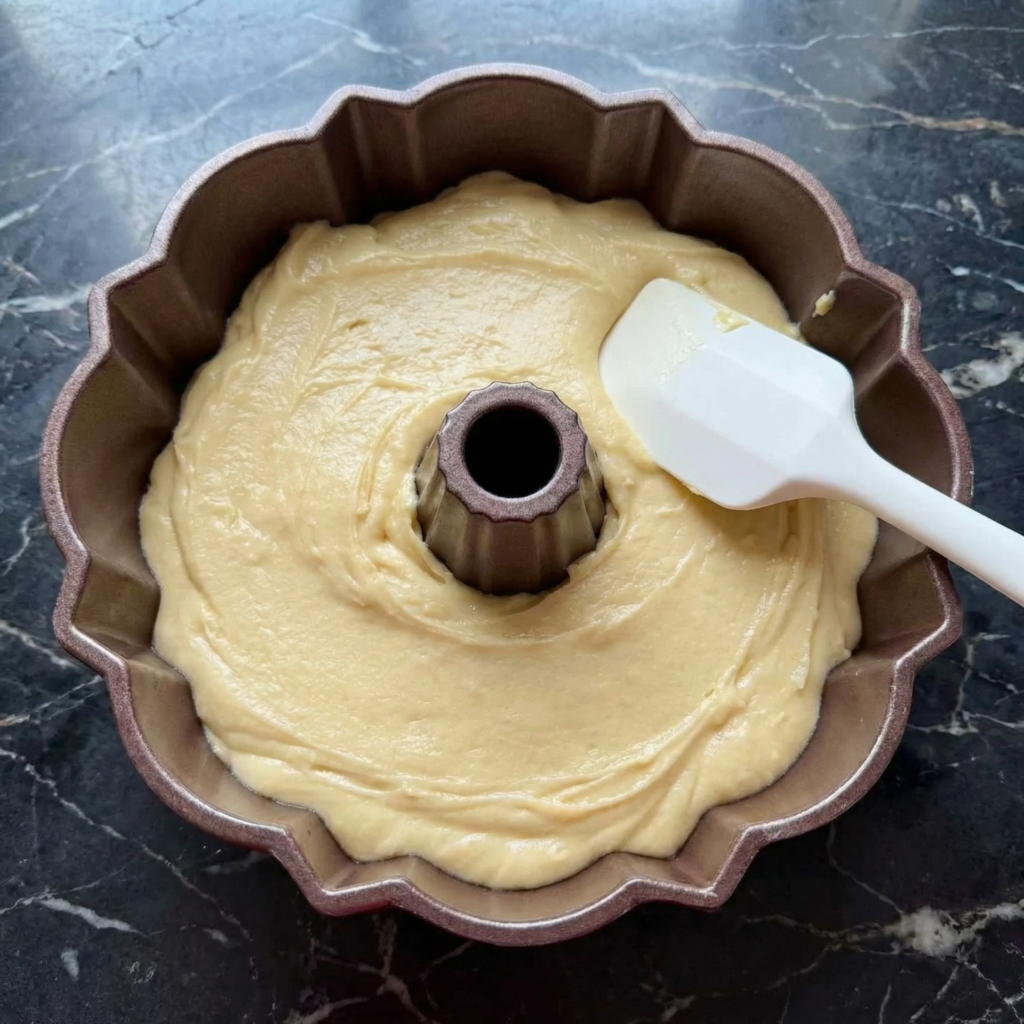
Transfer the batter into the prepared Bundt pan, smoothing the top with a spatula.
Tap the pan gently on the counter to remove air bubbles, which ensures an even bake.
Bake the Cake
Preheat the oven to 350°F (175°C). Bake for 50–60 minutes, or until a toothpick inserted into the center comes out clean.
Check around 45 minutes; if the top is browning too quickly, cover loosely with foil.
Cool and Release from Pan
Let the cake cool in the pan for 10–15 minutes.
Invert onto a wire rack and gently tap to release.
Allow the cake to cool completely before slicing to maintain structure and texture.
Flavor and Texture Highlights
- Tender, moist crumb from sourdough starter
- Subtle tang that balances sweetness
- Buttery richness for comfort and indulgence
- Warm spice or bright citrus adds extra depth
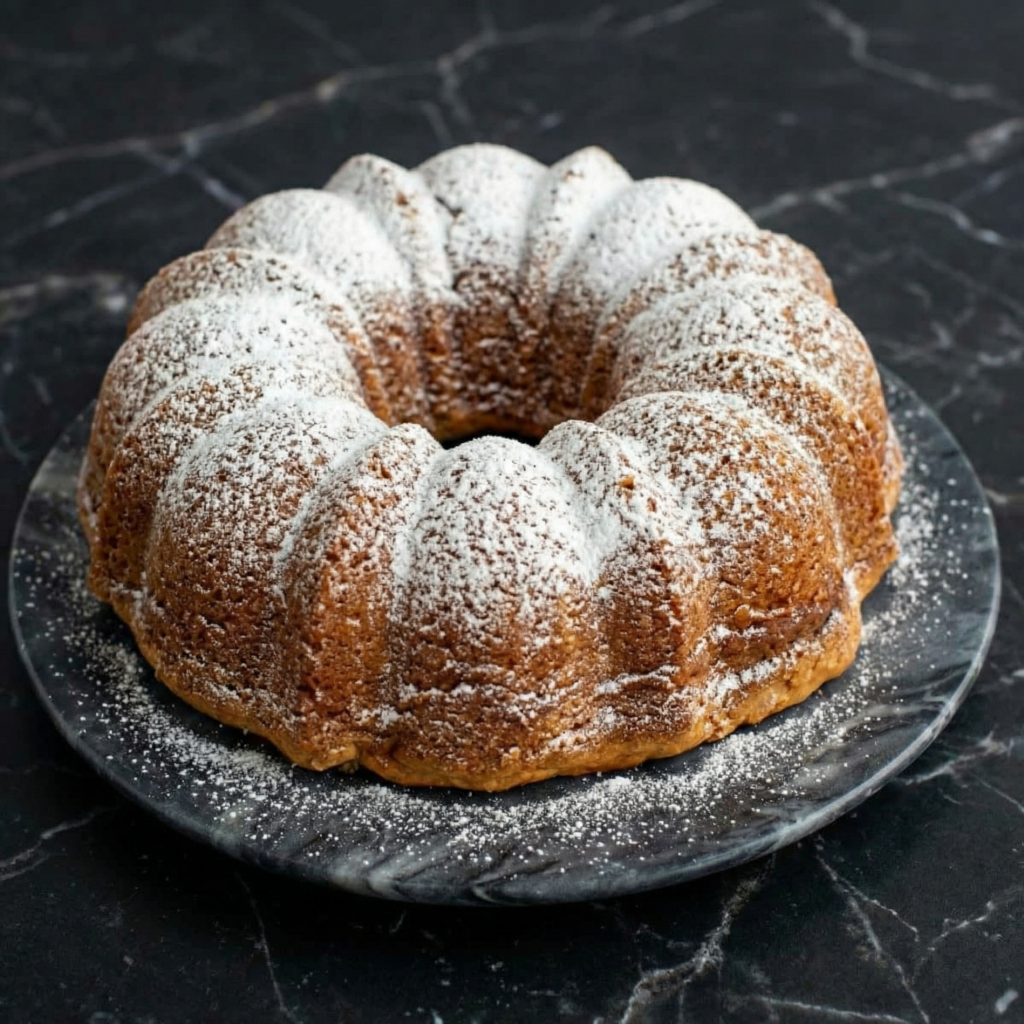
- Elegant, golden appearance straight from the pan
The cake is perfectly satisfying on its own—soft, flavorful, and ready to enjoy without any glaze.
Tips for Perfect Sourdough Bundt Cake
- Ensure your sourdough starter is active for best rise.
- Use room temperature eggs and milk for even mixing.
- Don’t overmix after adding flour to prevent a dense texture.
- Test for doneness with a toothpick.
- Let the cake cool slightly before removing to maintain shape.
Optional Variations
- Chocolate Sourdough Bundt: Fold in ½ cup cocoa powder and chocolate chips.
- Citrus Boost: Use lemon or orange zest for a fresh, bright flavor.
- Nutty Variation: Add ½ cup chopped walnuts or almonds.
- Spiced Bundt: Add a pinch of nutmeg or cardamom for aromatic warmth.
- Marbled Effect: Swirl in cinnamon-sugar or chocolate for visual appeal.
Storage and Serving
- Store in an airtight container at room temperature for up to 3 days.
- Refrigerate for up to 5 days; bring to room temperature before slicing.
- Freeze for up to 2 months; thaw at room temperature before serving.
Why This Recipe Works
This Sourdough Bundt Cake works because it balances the natural tang of sourdough with butter, sugar, and a touch of baking soda for lift. Proper creaming, gentle folding, and careful baking result in a cake that is moist, tender, and perfectly golden—delicious on its own without any glaze.
With its tender crumb, subtle sourdough tang, and elegant Bundt shape, this cake is a true showstopper. Whether for brunch, dessert, or a simple coffee-time treat, it proves that sourdough adds depth and moisture to baked goods, making every slice a delight—no glaze required.