If you bake with sourdough regularly, you probably find yourself wondering what to do with extra starter discard.
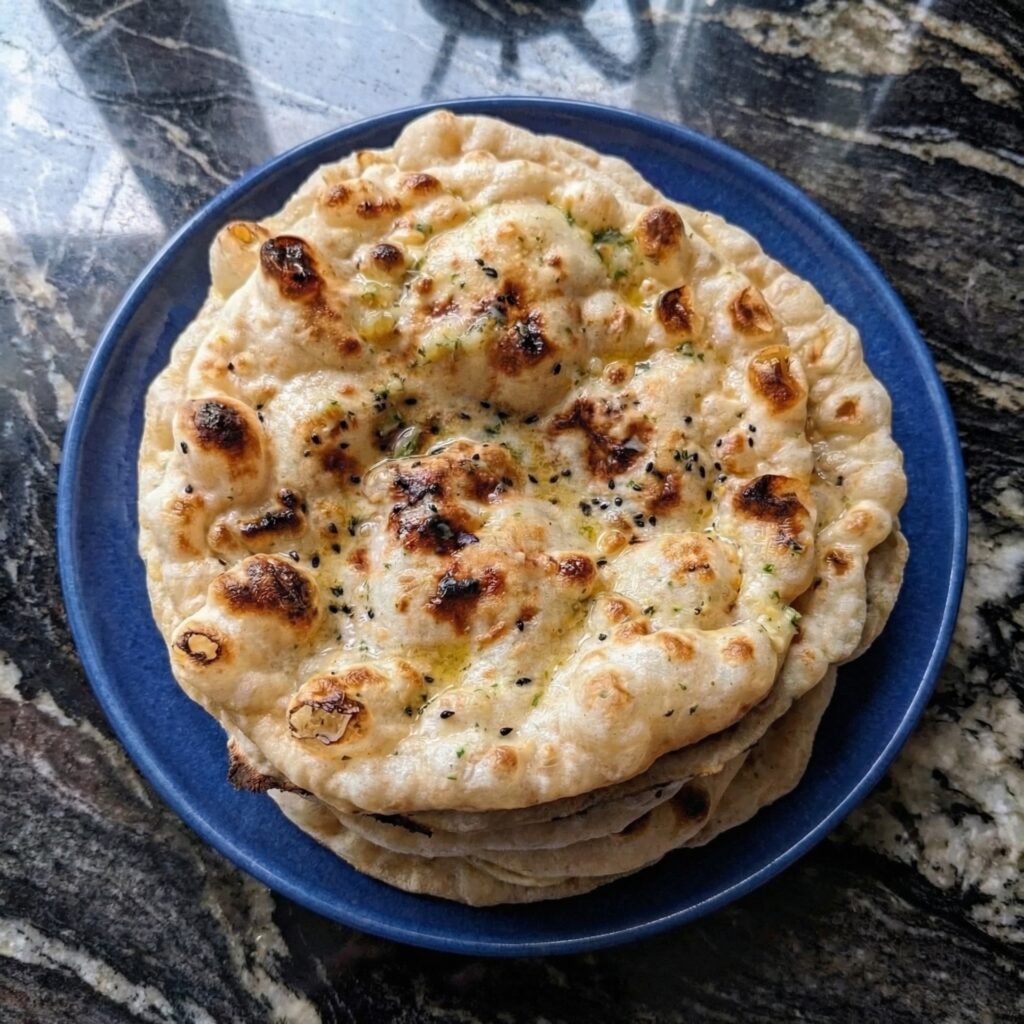
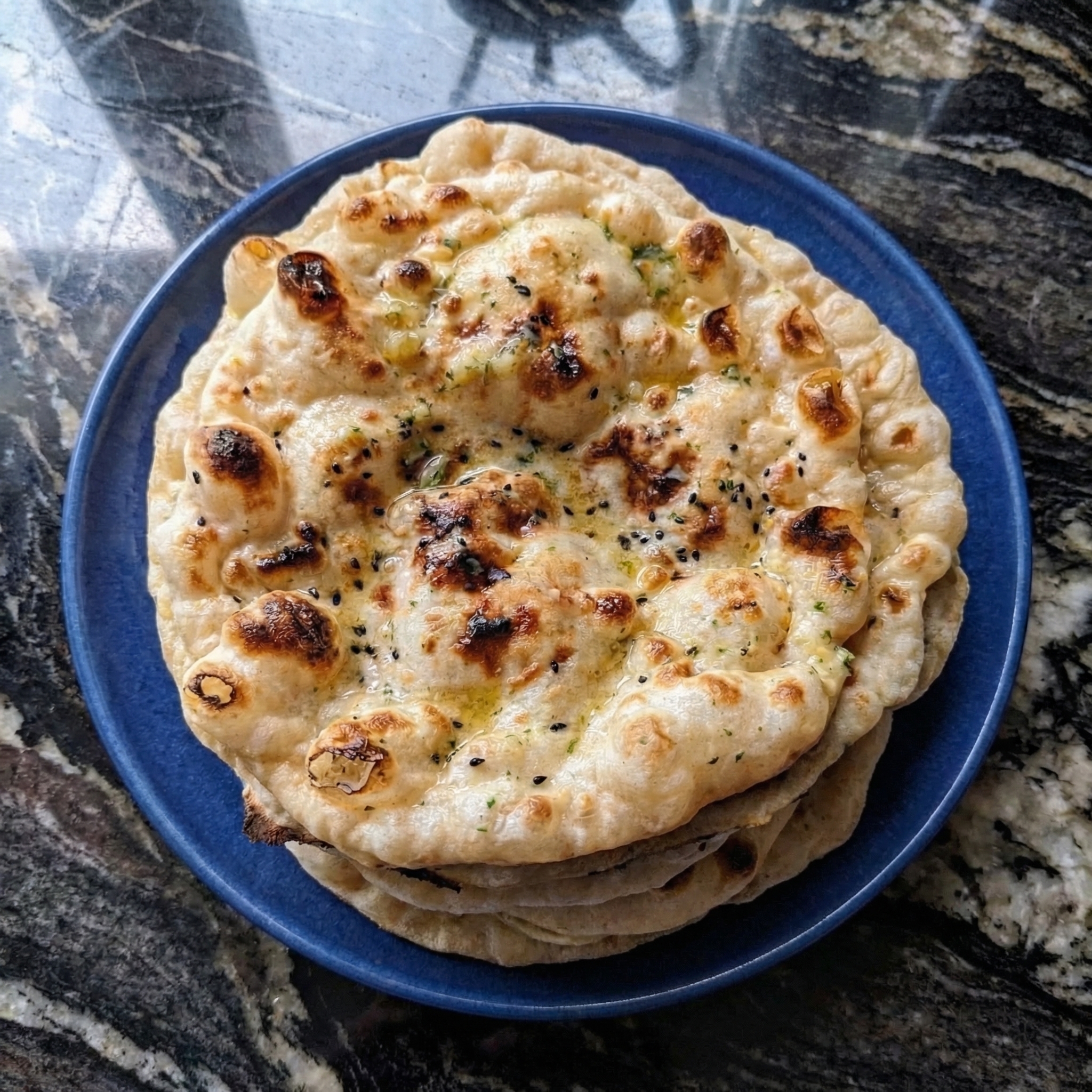
Instead of throwing it away, you can transform it into something incredibly delicious: Sourdough Discard Naan.
This soft, pillowy flatbread cooks quickly in a hot skillet and is perfect for pairing with curries, grilled meats, or even using as a wrap.
Traditional naan is cooked in a tandoor oven at extremely high temperatures, but you can achieve excellent results at home using a cast iron skillet or heavy pan.
Adding sourdough discard gives the bread a subtle tang and improves the texture while reducing food waste.
In this step-by-step guide, you’ll learn how to make soft, flavorful naan using sourdough discard and a few simple pantry ingredients.
Why Use Sourdough Discard?
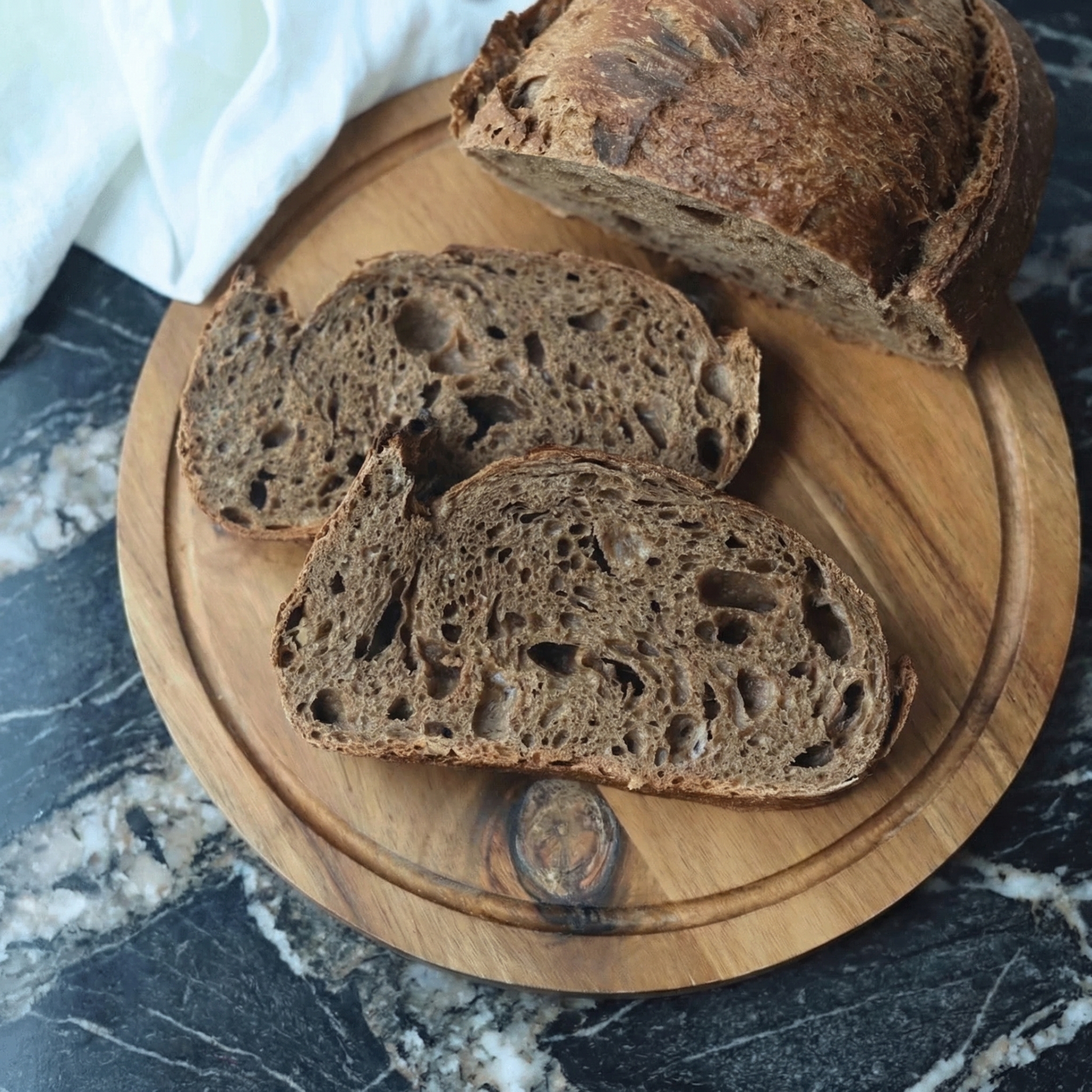
Sourdough discard still contains plenty of flavor and natural fermentation byproducts, even though it isn’t active enough for bread baking on its own.
When used in flatbreads like naan, it enhances the dough with a mild tang while helping create a soft, tender texture.
Because naan doesn’t require a long fermentation, sourdough discard works perfectly in this recipe without needing to be refreshed.
Mix the Dough
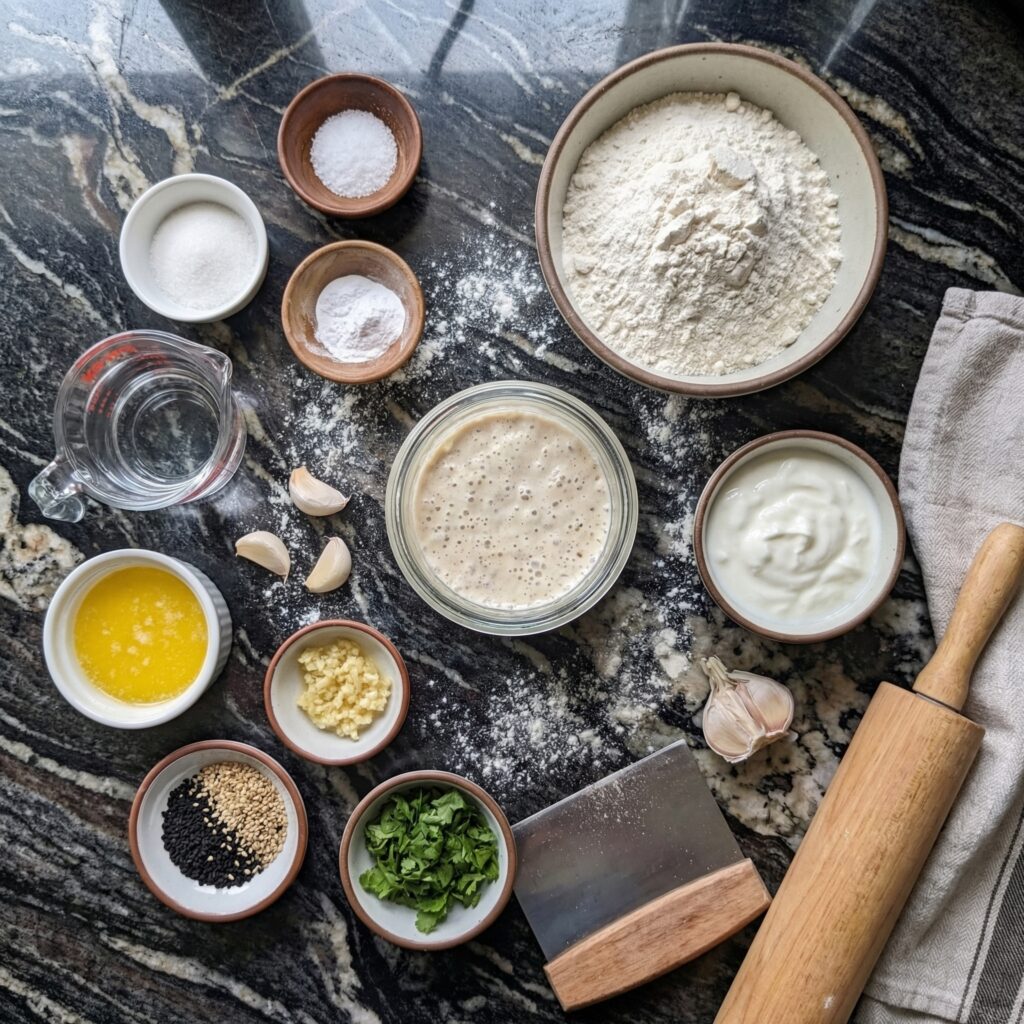
In a large mixing bowl, combine the sourdough discard, yogurt, warm milk, olive oil, and sugar. Stir the mixture until it becomes smooth and evenly blended.
Next, add the flour, salt, and baking powder. Mix everything together with a stand mixer or spatula until a shaggy dough forms.
Once the dough begins to come together, transfer it onto a lightly floured work surface.
Knead the Dough
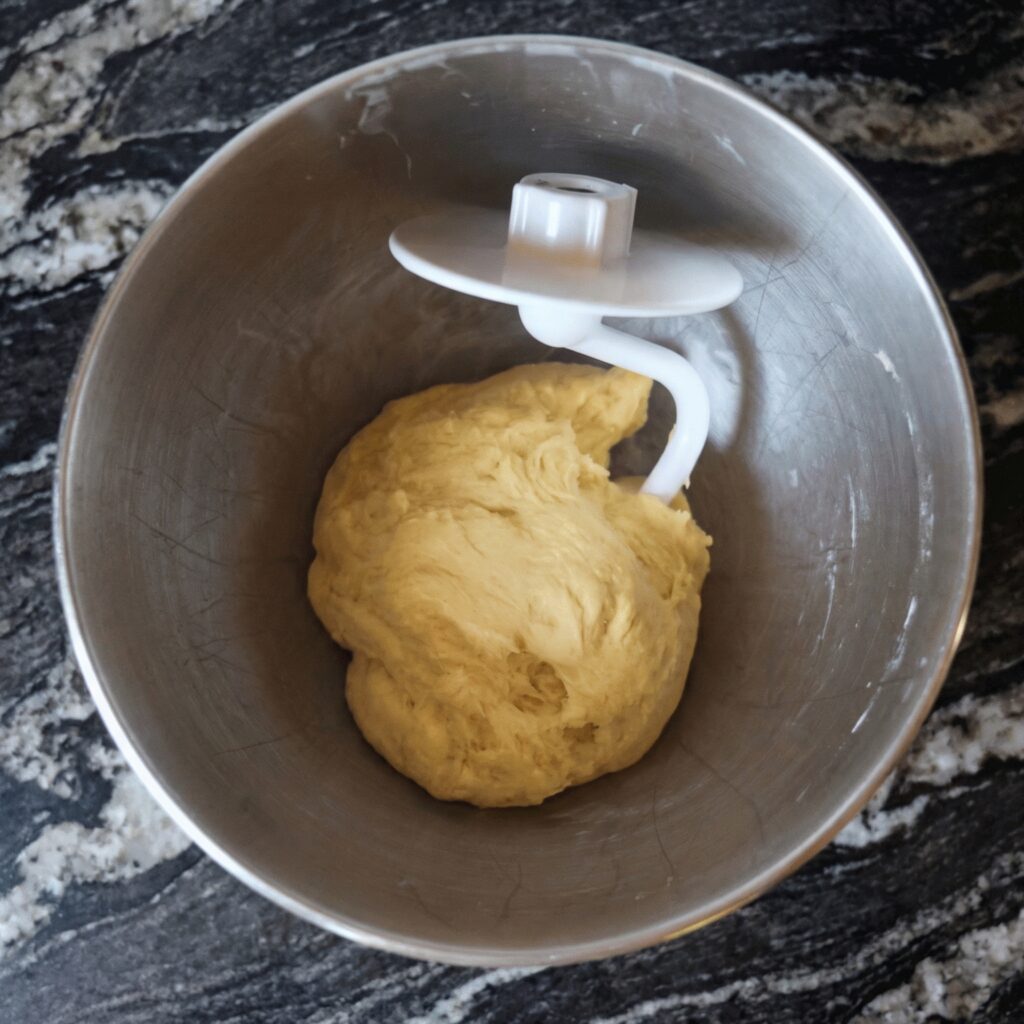
Knead the dough for about 6 to 8 minutes until it becomes soft and smooth.
The dough should feel slightly tacky but not sticky. If it sticks too much to your hands, sprinkle in a small amount of flour. Be careful not to add too much, as this can make the naan dense.
Proper kneading helps develop gluten, which gives the naan its soft, chewy texture.
Rest the Dough
Place the kneaded dough into a lightly greased bowl and cover it with a kitchen towel or plastic wrap.
Allow the dough to rest for 45 to 60 minutes at room temperature.
This resting period relaxes the gluten and makes the dough easier to roll out later. While naan doesn’t require a long fermentation like sourdough bread, this short rest improves the overall texture.
Divide the Dough
Once the dough has rested, turn it onto a lightly floured surface.
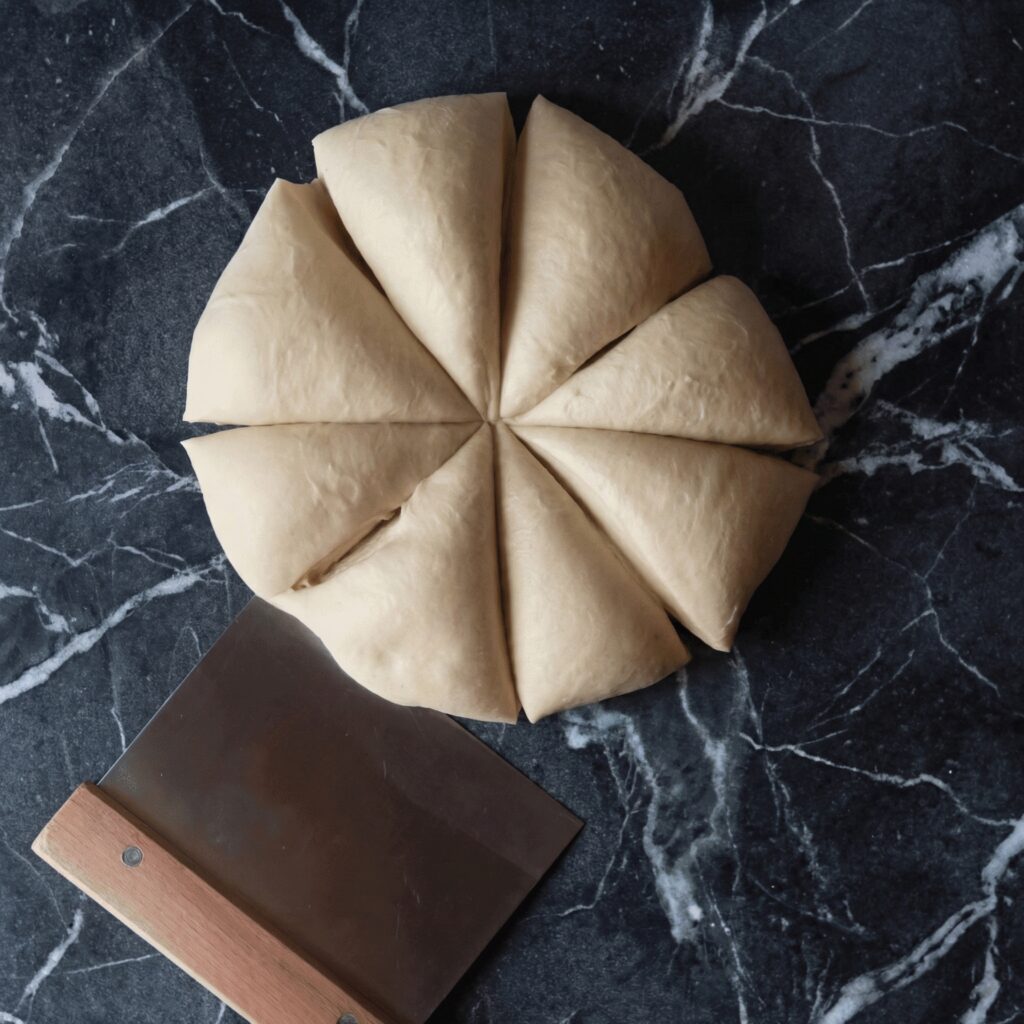
Divide it into 8 equal portions using a knife or bench scraper.
Roll each portion into a small ball and cover them loosely with a towel to prevent them from drying out while you shape the naan.
Roll the Naan
Using a rolling pin, flatten one dough ball into an oval or teardrop shape about ¼ inch thick.
Naan traditionally has an uneven, rustic shape, so don’t worry about making each piece perfectly round.
If the dough sticks to the surface, lightly dust it with flour before rolling.
Preheat the Pan
Place a cast iron skillet or heavy pan over medium-high heat.
Allow the pan to become very hot before cooking the naan. High heat is essential because it mimics the intense heat of a traditional tandoor oven.
A properly heated pan will help create the signature bubbles and charred spots that make naan so delicious.
Cook the Naan
Place one rolled piece of dough into the hot skillet.
Within about 30 seconds, you should start seeing bubbles forming on the surface. Once the bottom develops golden brown spots, flip the naan and cook the other side for another 30 to 60 seconds.
The bread should puff slightly and develop light charring in places.
Remove the naan from the pan and place it on a plate. Repeat with the remaining pieces of dough.
Add Garlic Butter (Optional)
For extra flavor, mix melted butter with minced garlic.
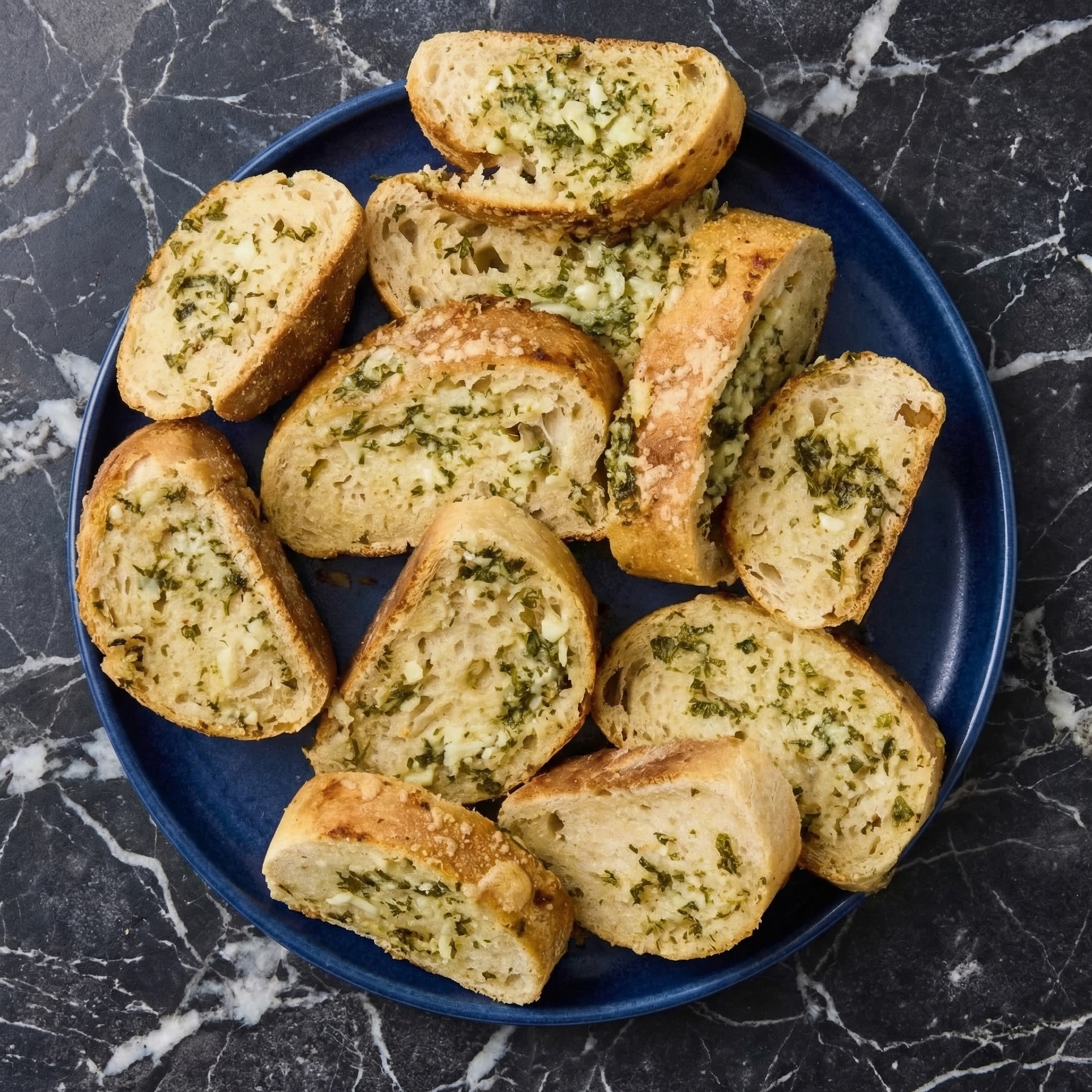
Brush the warm naan generously with the garlic butter mixture and sprinkle chopped cilantro on top.
This simple finishing step turns the naan into an incredibly flavorful bread that pairs perfectly with savory dishes.
Keep the Naan Warm
As you cook the naan, stack them on a plate and cover them with a clean kitchen towel.
This helps trap steam and keeps the bread soft and warm until you’re ready to serve.
Fresh naan is best enjoyed immediately, while it is still soft and slightly warm.
Serving Ideas
Sourdough discard naan is extremely versatile and can be served in many ways. Try pairing it with:
- Chicken curry or butter chicken
- Lentil dal
- Grilled vegetables
- Hummus or yogurt dips
- Wrap-style sandwiches
You can even use naan as a base for quick flatbread pizzas.
Storage Tips
If you have leftover naan, store it in an airtight container at room temperature for up to two days.
To reheat, warm the bread in a skillet or microwave for a few seconds. Brushing with a little butter before reheating helps restore softness.
Naan can also be frozen for up to two months. Simply thaw and warm before serving.
Final Thoughts
Sourdough Discard Naan is one of the easiest and most rewarding ways to use leftover sourdough starter.
The dough comes together quickly, cooks in minutes, and produces soft, flavorful flatbread that tastes far better than store-bought versions.
With its tender texture and subtle tang, this naan recipe is perfect for weeknight dinners, casual gatherings, or whenever you want fresh bread without a long baking process.
Once you try it, you’ll likely find yourself making it every time you have extra sourdough discard in your kitchen.