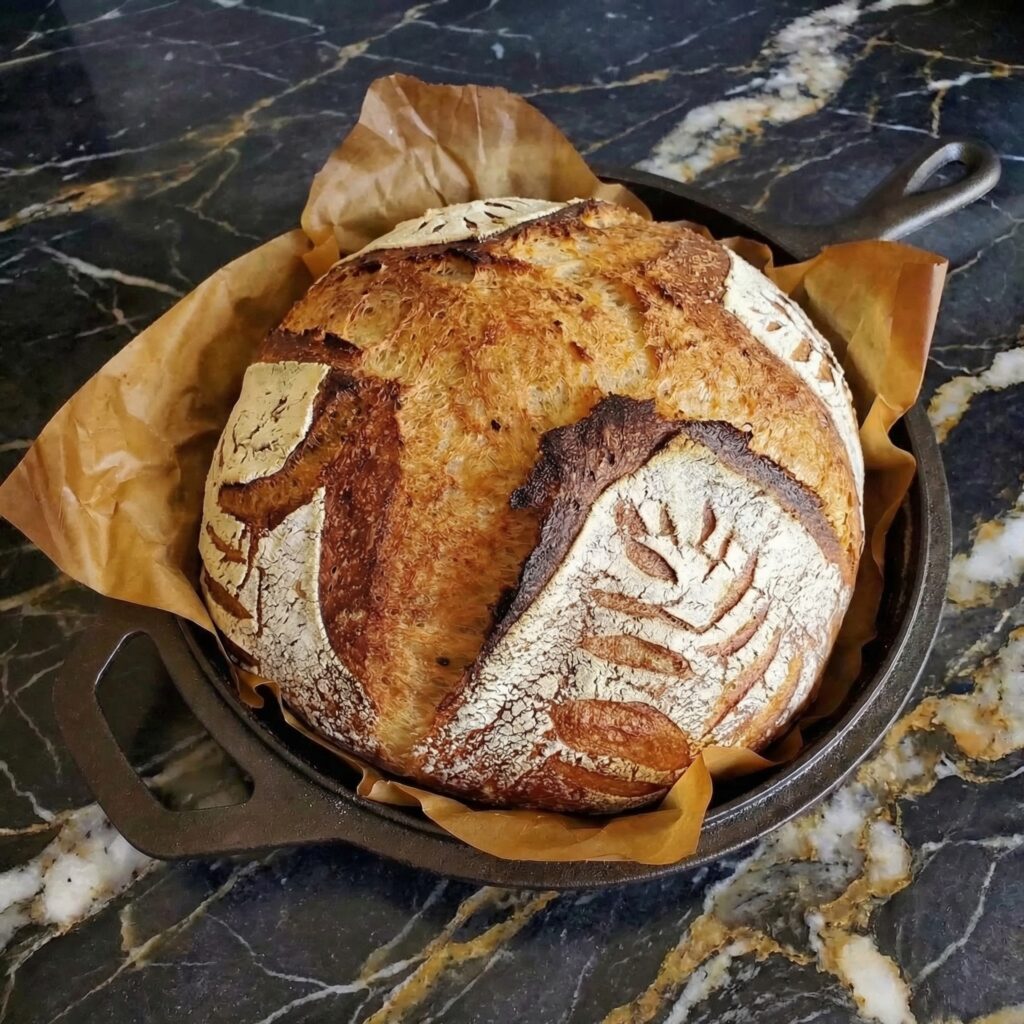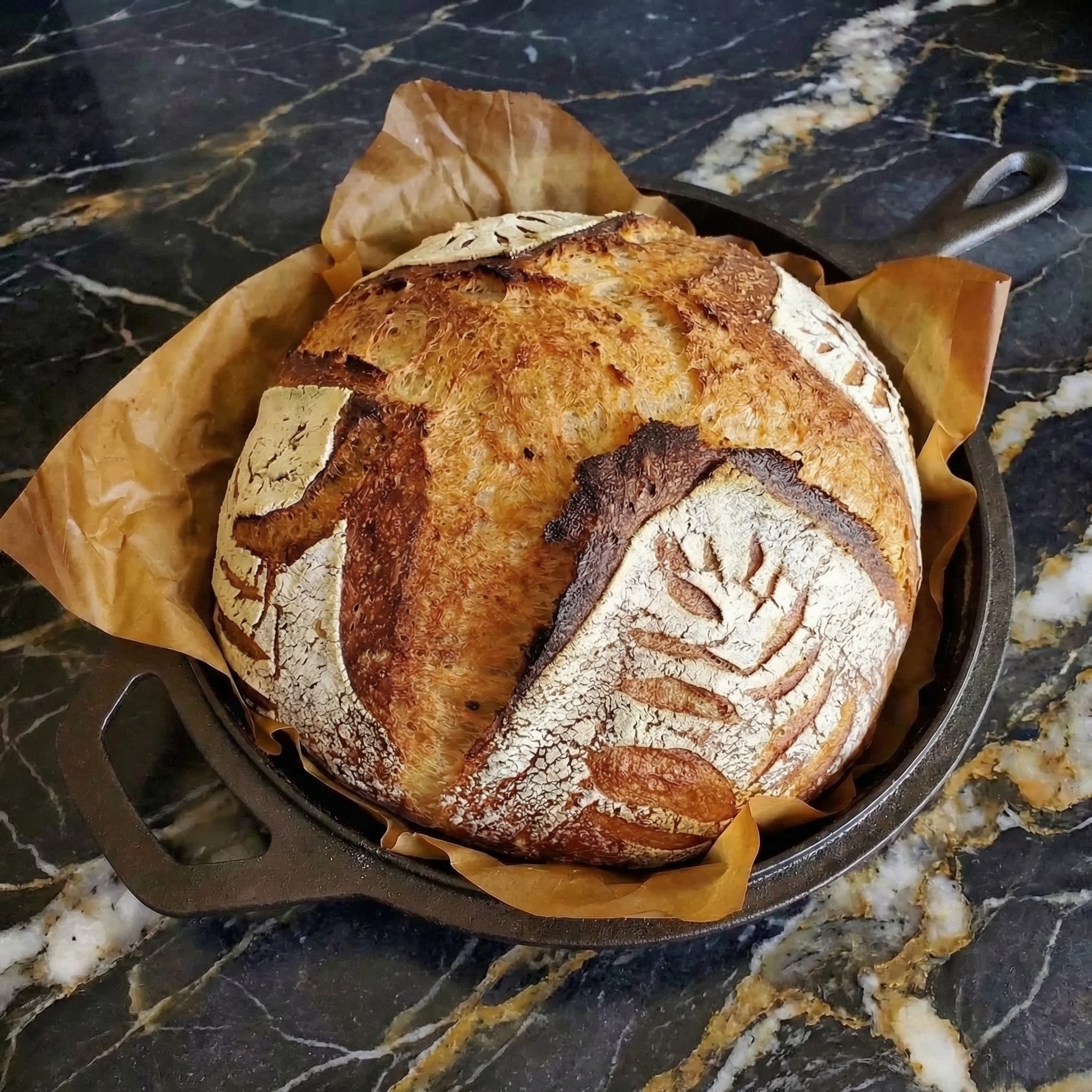
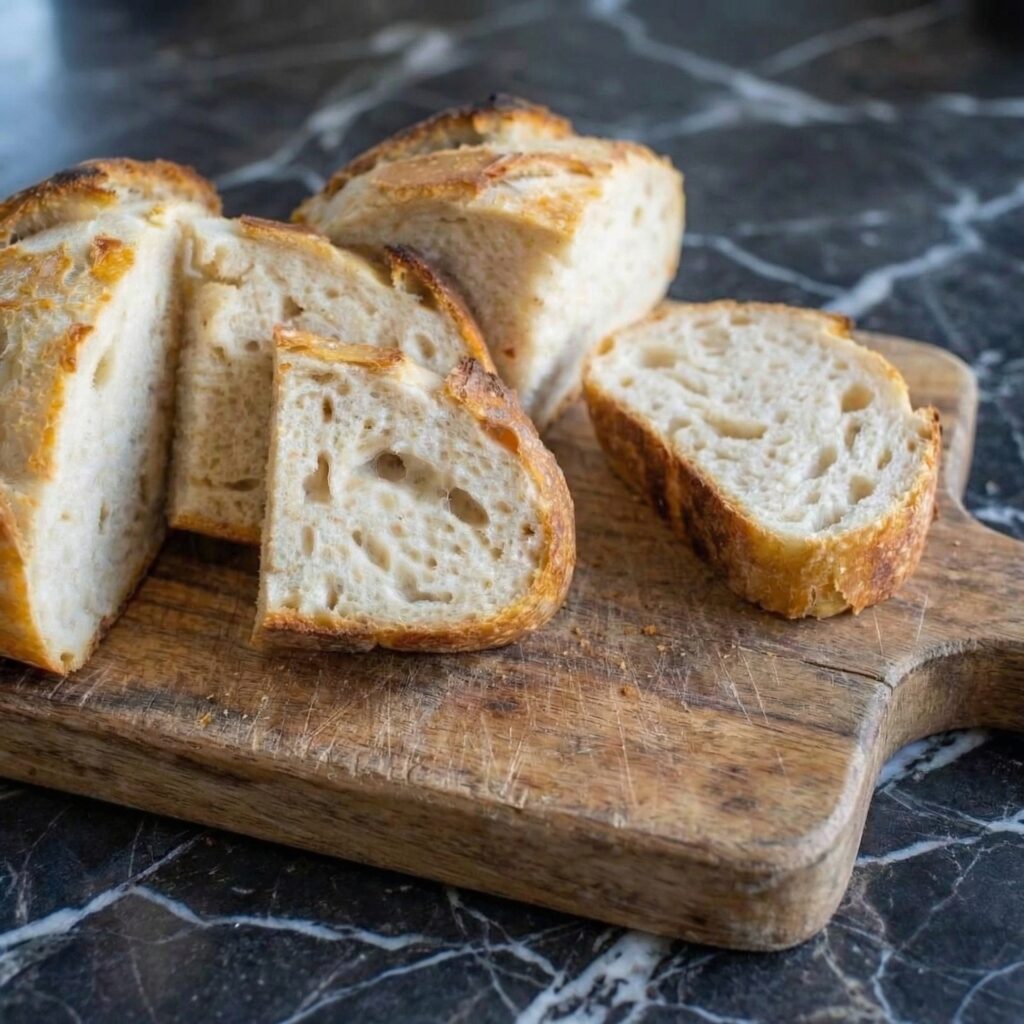
There’s a common misconception that you need expensive bread flour or specialty equipment to make beautiful sourdough bread. The truth? Regular all-purpose flour works beautifully. This recipe is designed for the home baker who wants to make delicious, crusty sourdough with what’s already in their pantry.
All-purpose flour has a lower protein content than bread flour, which means your dough will be slightly slack and stickier—but with the right techniques, you’ll still get a gorgeous loaf with a crisp crust and an open, airy crumb. This is sourdough for everyone, made simple.
Instructions
Build the Levain (Evening Before)
The night before baking, combine the active starter, all-purpose flour, and water in a small jar or bowl. Mix well, cover loosely, and let sit at room temperature overnight (8-12 hours). It should be bubbly, active, and pass the float test in the morning.
Mix the Dough
In a large bowl, combine the levain and warm water. Stir until the starter disperses. Add the all-purpose flour and mix until a shaggy dough forms and no dry bits remain. Cover and let rest for 30-60 minutes (autolyse).
Add Salt
Sprinkle the salt over the dough. Wet your hands and incorporate the salt by pinching and folding the dough until fully absorbed. Cover and rest for 30 minutes.
Bulk Fermentation (Stretch and Folds)
Over the next 2-3 hours, perform 4 sets of stretch and folds, every 30 minutes. Wet your hands to prevent sticking—AP flour dough is stickier than bread flour dough. With each set, you’ll feel the dough becoming smoother and more elastic.
Continue Bulk Fermentation
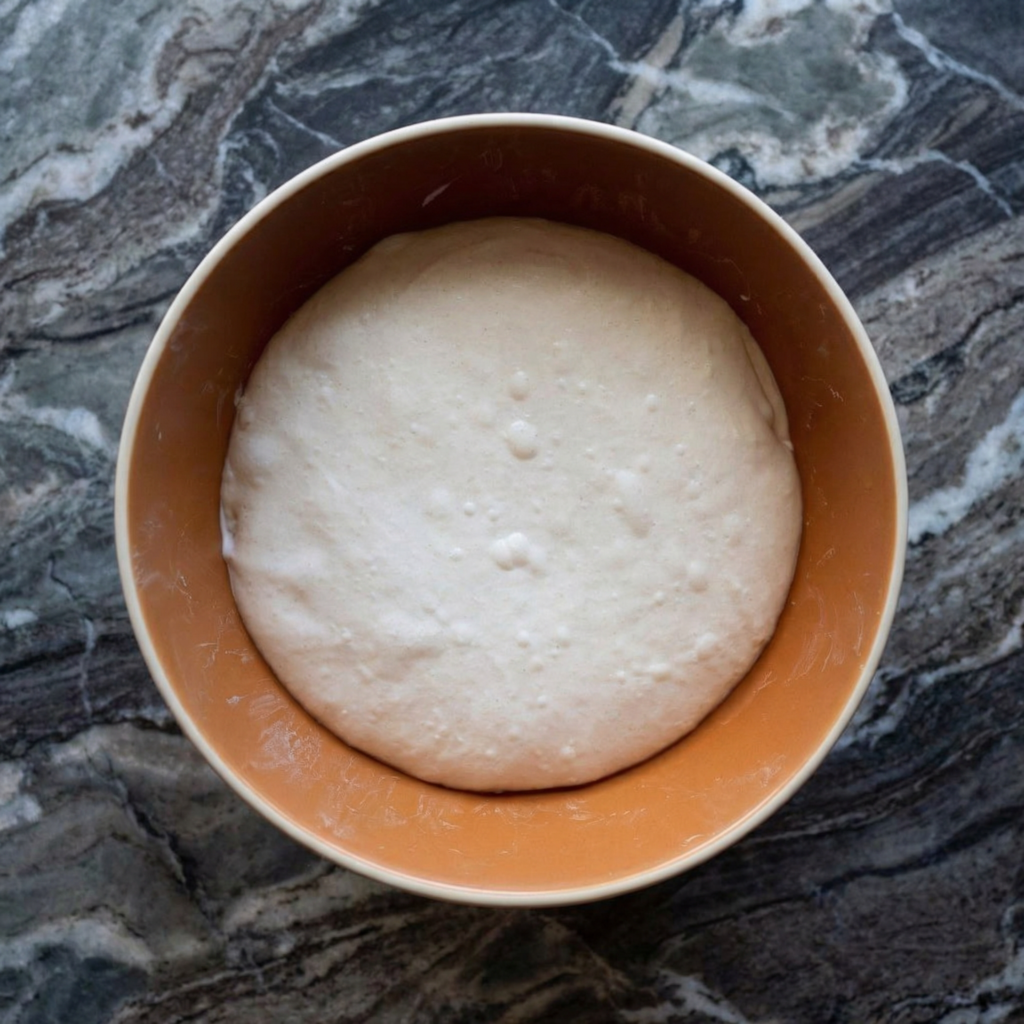
After the last set of folds, let the dough rest, covered, for another 1-2 hours. It should increase in volume by about 50%, look puffy, and have visible bubbles on the surface and sides.
Shape the Dough
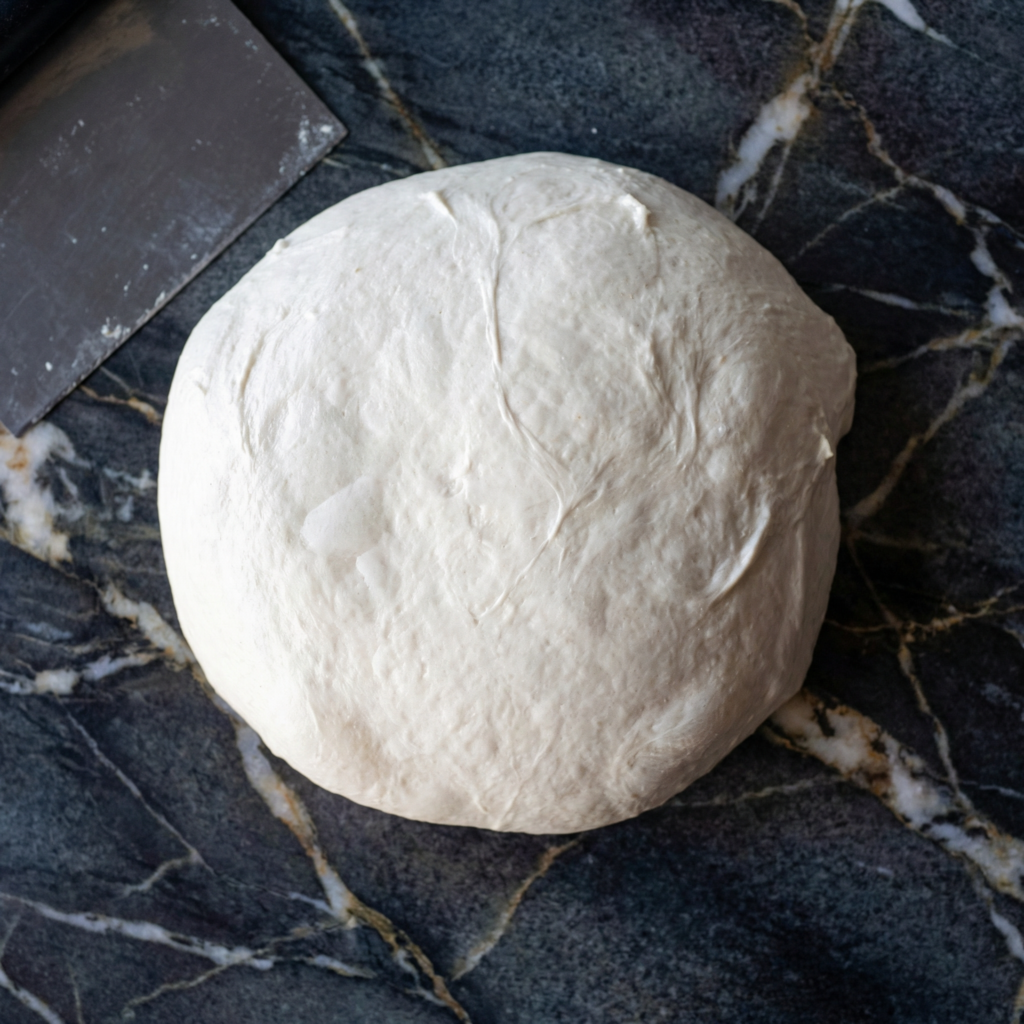
Lightly flour your work surface. Gently turn the dough out. With floured hands, gently shape it into a round by folding the edges into the center, then flipping it over and dragging it toward you to create surface tension. Be gentle—AP flour dough is more delicate.
Final Proof
Place the shaped dough seam-side up in a floured proofing basket (or a bowl lined with a floured kitchen towel). Cover and refrigerate overnight (8-12 hours) for best flavor, or let proof at room temperature for 1-2 hours until puffy.
Preheat the Dutch Oven
Place a Dutch oven with its lid in your oven and preheat to 475°F (245°C) for at least 45 minutes.
Score the Dough
Carefully remove the hot Dutch oven. Place a piece of parchment paper over the dough and invert the basket to release the dough onto the parchment. Using a sharp blade or lame, score the top with a simple slash or pattern—about ¼ inch deep.
Bake Covered
Using the parchment as handles, lower the dough into the hot Dutch oven. Put the lid on and bake for 25 minutes.
Bake Uncovered
Remove the lid and bake for another 20-25 minutes, until the crust is deep golden brown and the internal temperature reaches 205-210°F (96-99°C).
Cool Completely
Carefully remove the loaf from the pot and transfer to a wire rack. Cool completely—at least 2 hours. This is crucial for texture.
Slice and Enjoy
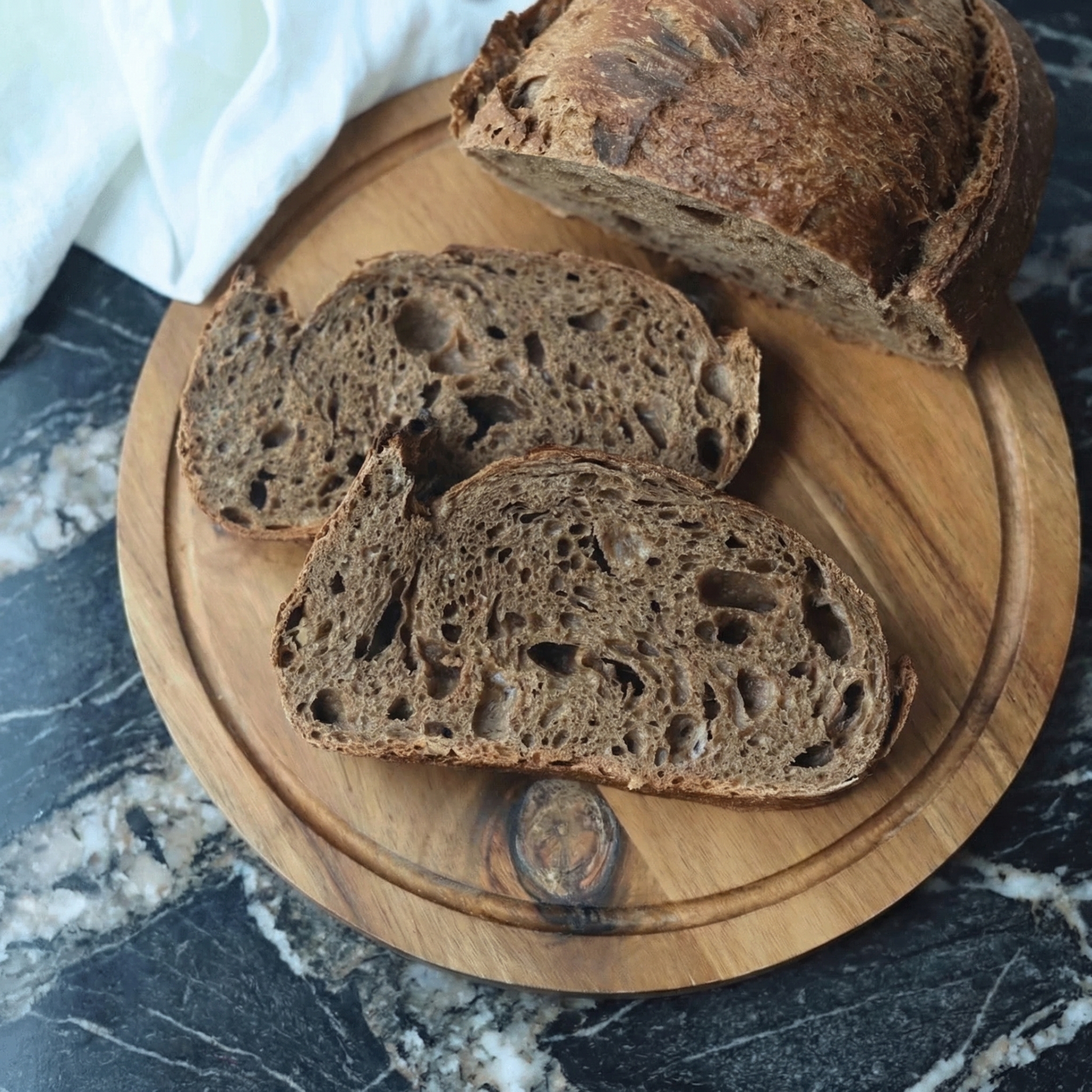
Once completely cool, slice with a serrated knife. Admire your beautiful AP flour crumb. Toast and butter, or use for sandwiches.
Pro-Tips for All-Purpose Flour Sourdough
- Adjust Hydration: All-purpose flour absorbs less water than bread flour. Start with 300g water (60% hydration) for easier handling, or use 325g (65%) for a more open crumb but stickier dough.
- Keep Hands Wet: AP flour dough is stickier. Keep a bowl of water nearby to wet your hands during stretch and folds—it prevents sticking and makes handling easier.
- Be Gentle During Shaping: The dough is more delicate with less gluten structure. Handle it gently to avoid tearing.
- Don’t Expect the Same Open Crumb: AP flour will give you a slightly tighter crumb than bread flour—but it will still be beautiful and delicious.
- Use a Dutch Oven: The steam trapped by a Dutch oven is essential for a good crust, especially with AP flour.
- Long Fermentation Develops Flavor: The overnight cold proof helps develop flavor that compensates for the milder flour.
- Practice Makes Perfect: AP flour dough behaves differently—each time you make it, you’ll learn to read the dough better.
This Simple Sourdough with All-Purpose Flour proves you don’t need specialty ingredients to make amazing bread.