Let’s talk about the perfect dessert. It’s creamy. It’s tangy. It’s rich without being heavy, and it’s bright without being sweet. It’s Lemon Cheesecake. This is the dessert that stops conversations, the one that makes people close their eyes when they take the first bite, the one that disappears slice by slice with murmurs of “oh my gosh” and “can I have the recipe?”
It starts with a buttery graham cracker crust, then rises into the creamiest, silkiest cheesecake filling you’ve ever tasted—infused with fresh lemon zest and juice for that perfect citrus kick. And the finish? A glossy, shimmering lemon glaze that takes it over the top. Elegant? Yes. Intimidating? Not at all. Let’s make some magic.
The Secret to a Silky, Never-Cracked Cheesecake
Cheesecake can be intimidating, but the secrets to a perfect, silky, crack-free cheesecake are simple. First, room temperature ingredients. Cold cream cheese creates a lumpy batter that bakes unevenly. Let everything—cream cheese, eggs, sour cream—sit on the counter for at least an hour before you start.
Second, don’t overmix. Once you add the eggs, mix just until incorporated. Overmixing incorporates too much air, which can cause the cheesecake to puff up and then crack as it cools.
Third, the water bath. Baking the cheesecake in a hot water bath creates a humid environment that prevents the top from drying out and cracking.
And finally, cool slowly. Let the cheesecake rest in the oven with the door cracked open for an hour after baking, then at room temperature, then overnight in the fridge. Patience is the secret to perfection.
Instructions
Preheat and Prep
Preheat your oven to 350°F (175°C). Wrap the outside of a 9-inch springform pan with heavy-duty aluminum foil, covering the bottom and coming up the sides. This will prevent water from seeping in during the water bath.
Make the Crust
In a medium bowl, combine the graham cracker crumbs, sugar, and salt. Pour in the melted butter and stir with a fork until all the crumbs are evenly moistened.
Press the Crust
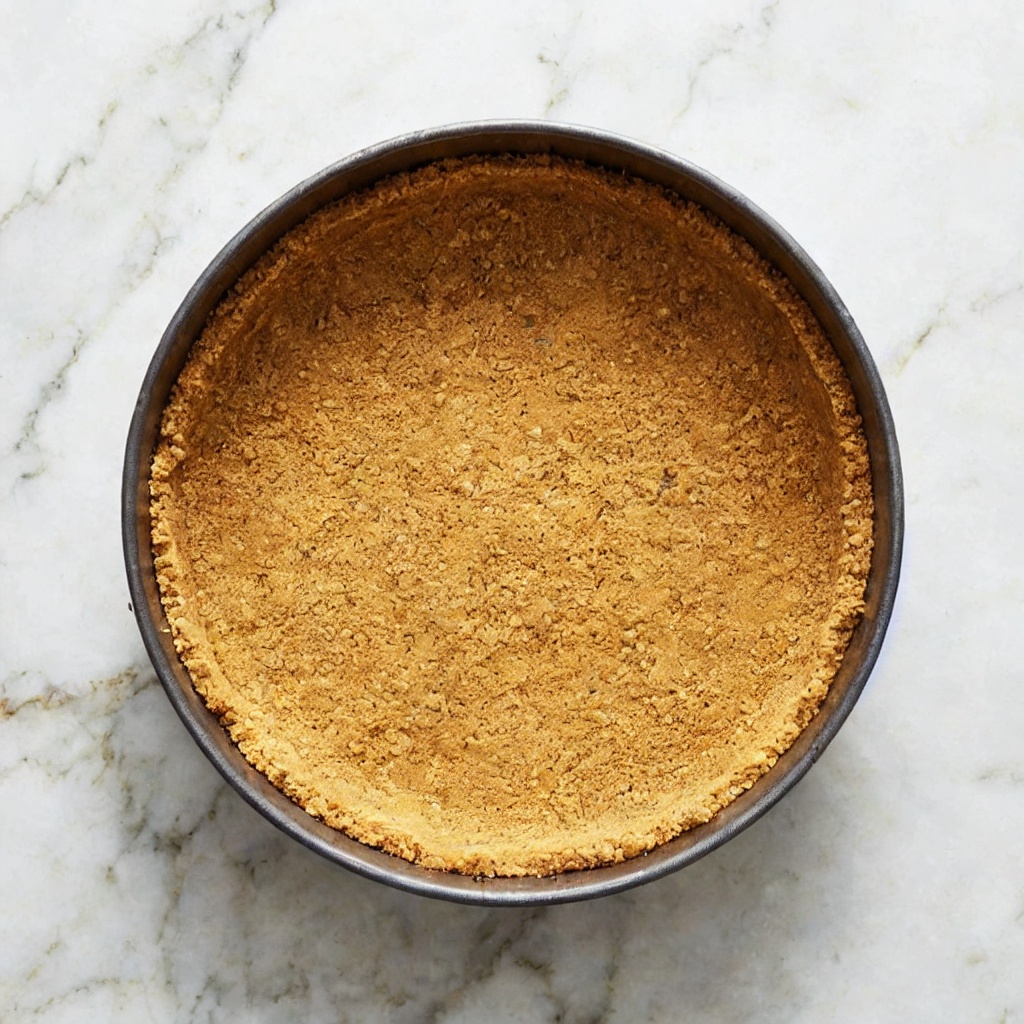
Transfer the mixture to the springform pan. Use the bottom of a measuring cup to press the crumbs firmly and evenly into the bottom and about 1 inch up the sides. A firm, compact crust is essential.
Bake the Crust
Bake the crust for 10 minutes, until fragrant and lightly golden. Set aside to cool while you make the filling. Reduce oven temperature to 325°F (160°C).
Make the Filling – Beat Cream Cheese
In a large bowl using a hand mixer or stand mixer with the paddle attachment, beat the softened cream cheese on medium speed until completely smooth and creamy, about 2 minutes. Scrape down the sides and bottom well.
Add Sugar and Flour
Add the sugar and flour and beat until smooth and well combined, about 1 minute. Scrape the bowl again.
Add Sour Cream, Lemon, and Vanilla
Add the sour cream, lemon juice, lemon zest, and vanilla extract. Beat on low speed until just combined.
Add Eggs – One at a Time
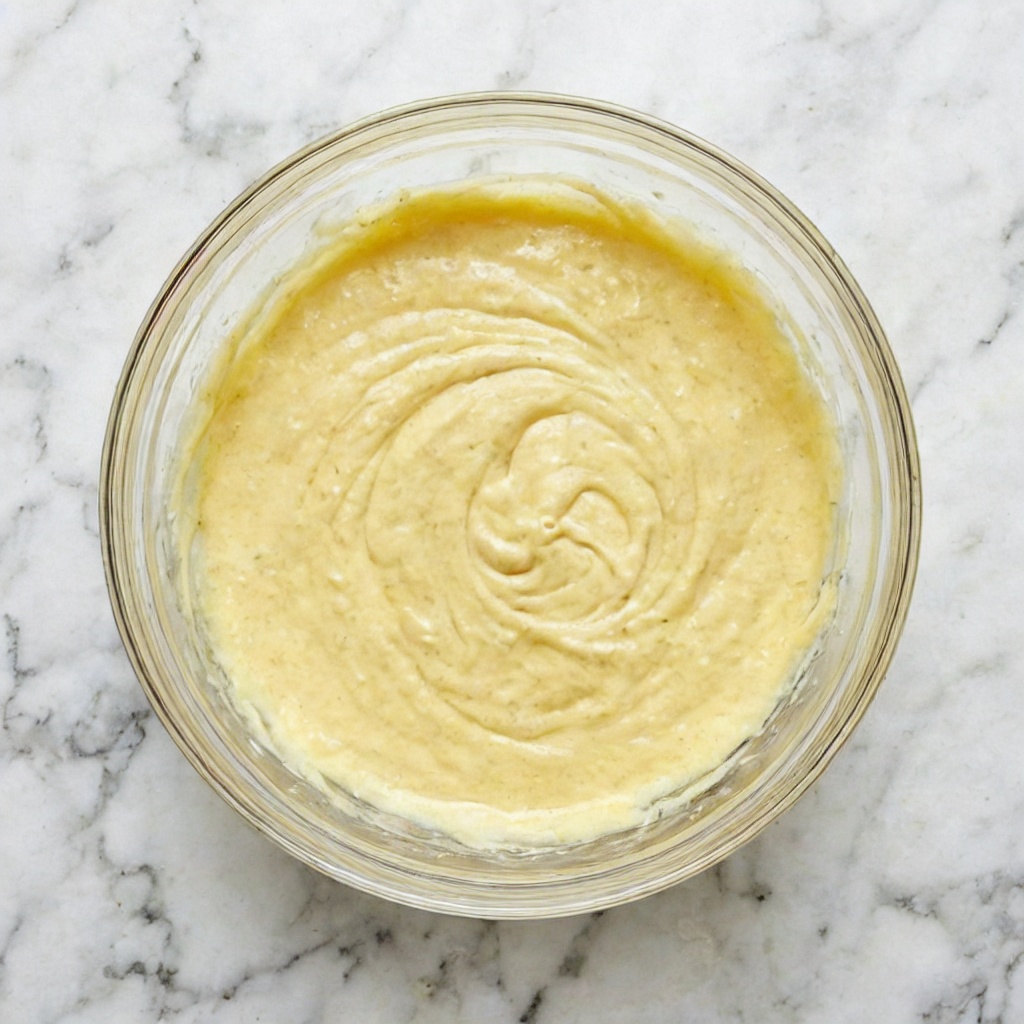
Add the eggs one at a time, beating on low speed just until the yolk disappears into the batter. Do not overmix. After the last egg, give the batter a final gentle fold with a spatula to ensure everything is combined.
Prepare the Water Bath
Place the wrapped springform pan into a large roasting pan. Pour the filling into the crust and smooth the top. Place the roasting pan in the oven. Carefully pour boiling water into the roasting pan until it reaches about halfway up the sides of the springform pan.
Bake the Cheesecake
Bake at 325°F (160°C) for 60-70 minutes, until the edges are set and the center is slightly jiggly (like Jell-O). The internal temperature should reach about 150°F (65°C).
Cool Slowly
Turn off the oven and crack the door open. Let the cheesecake cool in the oven for 1 hour. Then, remove it from the water bath, remove the foil, and let it cool completely to room temperature on a wire rack.
Refrigerate Overnight
Once cool, refrigerate the cheesecake uncovered for at least 4 hours, preferably overnight. This is essential for a clean slice.
Make the Lemon Glaze
In a small saucepan, combine the lemon juice and sugar. Bring to a simmer over medium heat, stirring until the sugar dissolves. Stir in the cornstarch slurry and continue simmering for 1-2 minutes until the glaze thickens slightly and becomes glossy. Remove from heat and let cool to room temperature.
Glaze and Garnish
Pour the cooled lemon glaze over the chilled cheesecake, spreading it evenly. Garnish with thin lemon slices, fresh mint, and a sprinkle of lemon zest. Refrigerate for another 30 minutes to set the glaze.
Slice and Serve
Run a thin knife around the edge of the pan before releasing the springform. For clean slices, use a sharp knife wiped clean between each cut. Serve chilled.
Pro-Tips for Lemon Cheesecake Greatness
- Room Temperature is Non-Negotiable: Cold cream cheese and eggs will give you a lumpy, uneven batter. Let everything sit out for at least an hour, preferably two.
- Don’t Overmix: Overmixing incorporates too much air, which can cause cracks. Mix on low speed and stop as soon as each ingredient is incorporated.
- Use a Water Bath: This creates a humid environment that prevents the cheesecake from drying out and cracking. Don’t skip it.
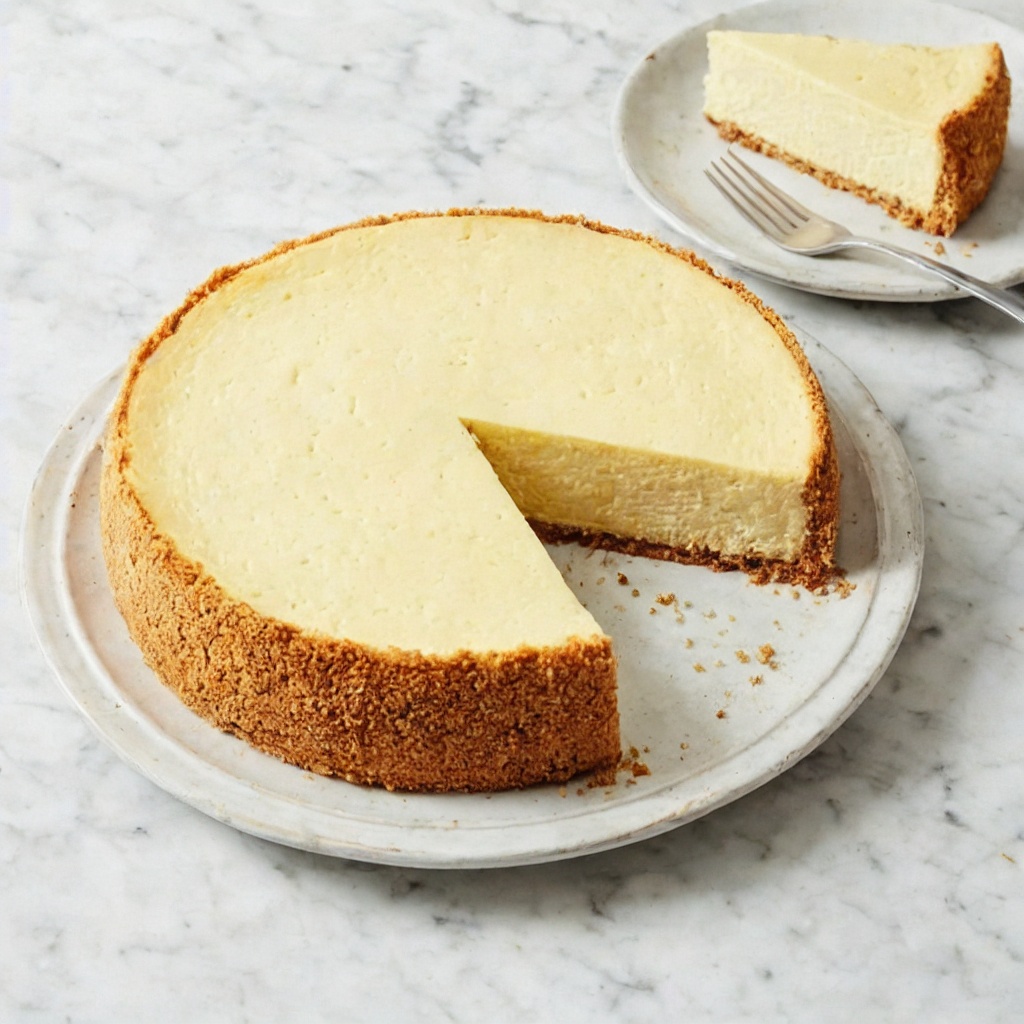
- Cool Gradually: Sudden temperature changes cause cracks. Letting the cheesecake rest in the oven with the door open, then at room temperature, then in the fridge ensures a smooth, flawless top.
- Zest First, Juice Second: Always zest your lemons before juicing—it’s nearly impossible to zest a limp, juiced lemon.