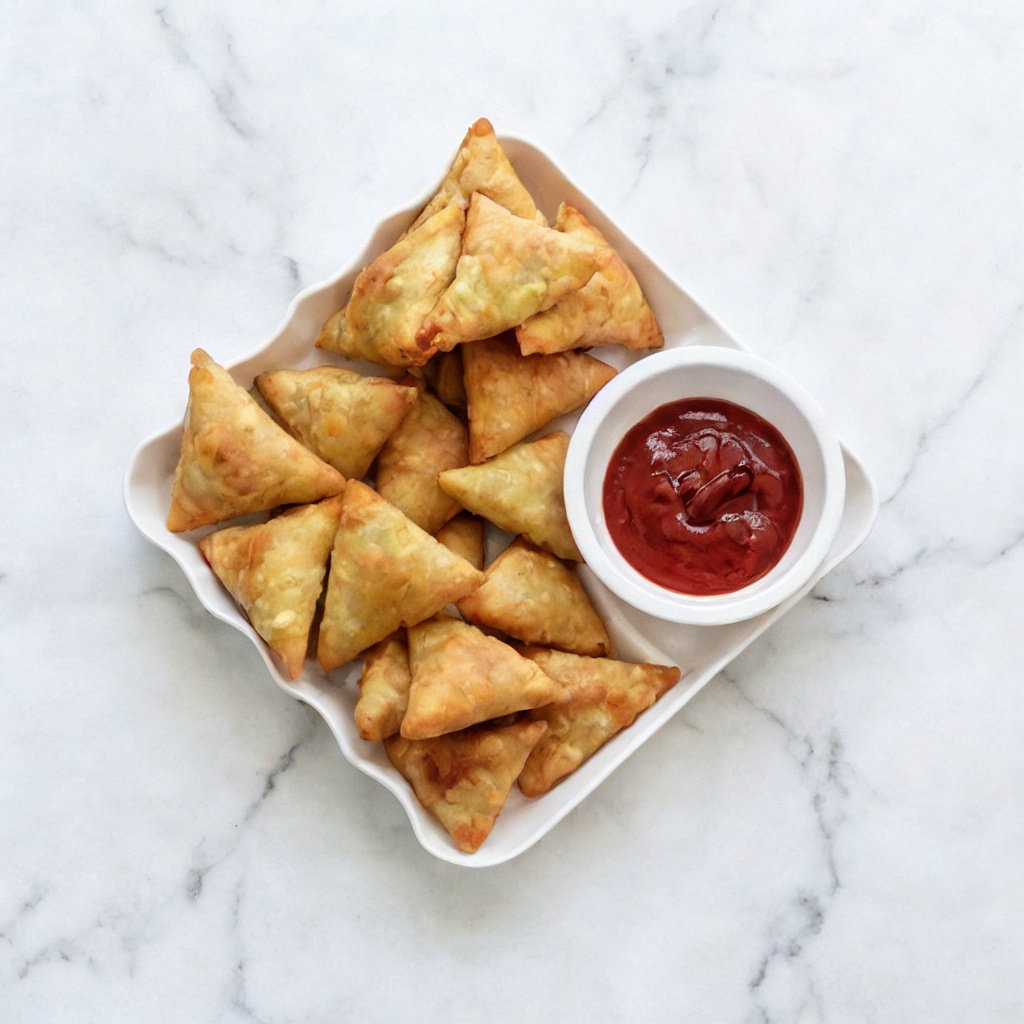
There are snacks, and then there are samosas. That first bite into a perfectly fried samosa—the shatteringly crisp, golden exterior giving way to a warm, spiced, utterly comforting filling of potatoes and peas—is nothing short of magical.
For years, you might have thought samosas were one of those things best left to the experts. But here’s the truth: with a little patience and this recipe, you can absolutely make them at home. And they will be spectacular. These samosas feature a flaky, tender pastry that crisps up beautifully, wrapped around a fragrant, perfectly seasoned potato and pea filling with warm notes of cumin, coriander, and a little kick of green chili.
Serve them with tangy tamarind chutney and fresh cilantro chutney, and watch them disappear. Fair warning: once you start making these, you’ll never want to stop.
The Secret to Flaky, Never-Greasy Samosa Pastry
The hallmark of a great samosa is the pastry: it should be crisp, flaky, and golden, with no hint of greasiness. The secret lies in the fat. Using a combination of oil and ajwain seeds (carom seeds) in the dough does two things. The oil coats the flour particles, inhibiting gluten development and ensuring a tender, crumbly texture rather than a tough, bready one. The ajwain seeds add a subtle, thyme-like flavor that’s traditional and aromatic.
The other key is resting the dough. After kneading, letting the dough rest for at least 30 minutes allows the gluten to relax, making it easier to roll and less likely to shrink during frying.
And finally, the frying temperature is critical. Too hot, and the pastry browns before the inside cooks; too cool, and the samosas absorb oil and become greasy. Maintaining the oil at a steady 350°F ensures a crisp, clean, golden result every time.
Instructions
Make the Dough
In a large bowl, whisk together the flour, salt, and ajwain seeds. Add the ¼ cup of oil and rub it into the flour with your fingertips until the mixture resembles coarse crumbs.
Gradually add cold water, a little at a time, and mix until a stiff dough forms. You may not need all the water. The dough should be firm, not soft or sticky.
Rest the Dough
Knead the dough for 2-3 minutes until smooth. Cover with a damp cloth or plastic wrap and let it rest for at least 30 minutes at room temperature. This rest is essential for a flaky texture.
Make the Filling – Temper the Spices
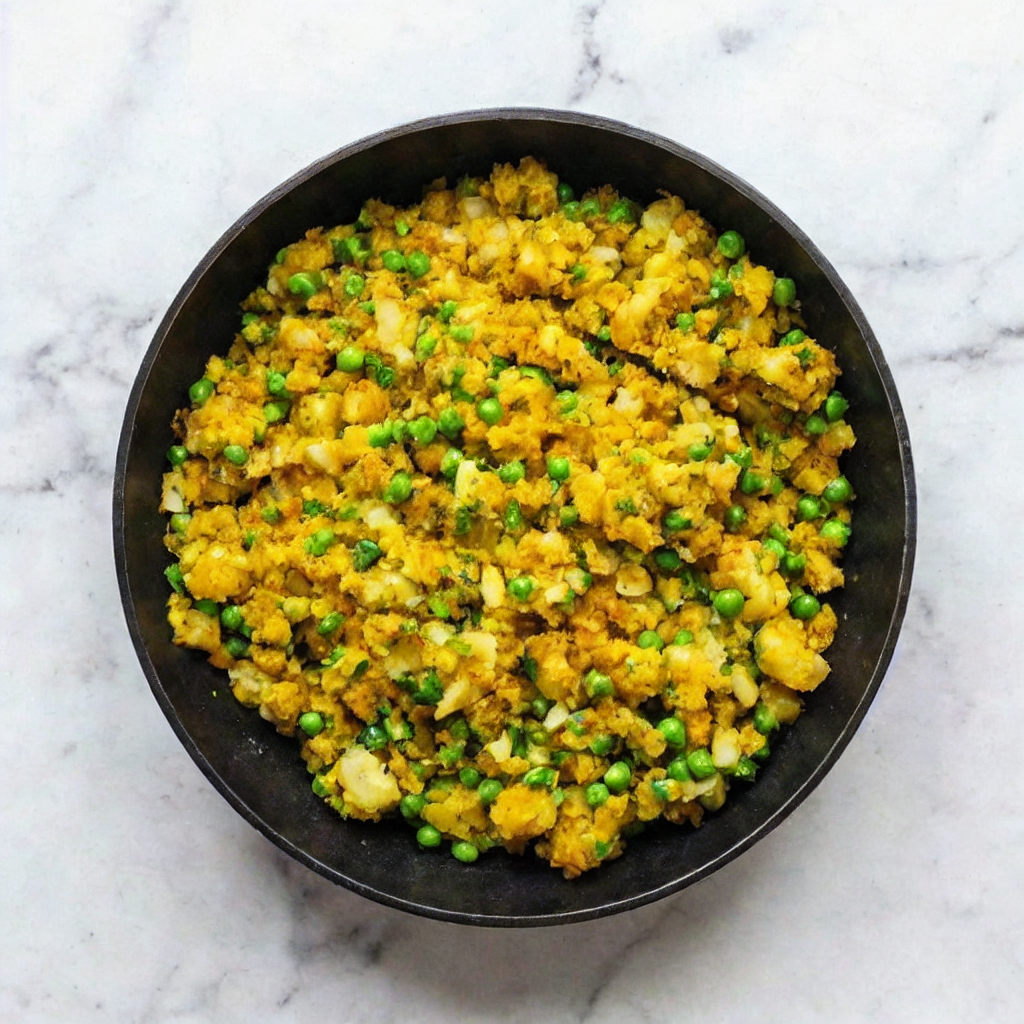
While the dough rests, heat 2 tablespoons of oil in a large pan over medium heat. Add the cumin seeds and let them sizzle for a few seconds until fragrant. Add the chopped onion and cook until soft and translucent, about 3-4 minutes.
Add Aromatics and Spices
Add the chopped green chilies and grated ginger. Cook for another minute. Add the turmeric, ground coriander, ground cumin, and garam masala. Stir and cook for 30 seconds until fragrant.
Add Potatoes and Peas
Add the mashed boiled potatoes and thawed peas. Mix well until everything is combined. Cook for 2-3 minutes, stirring occasionally. Add salt to taste and amchur (or lemon juice). Stir in the fresh cilantro. Remove from heat and let the filling cool completely before assembling. A warm filling will make the dough soggy.
Divide the Dough
Divide the rested dough into 6 equal balls. Keep them covered while you work to prevent drying.
Roll and Cut
Take one dough ball and roll it into a thin circle, about 6-7 inches in diameter. Using a knife or pizza cutter, cut the circle in half to create two semi-circles.
Shape the Cone
Take one semi-circle. Form it into a cone by bringing one straight edge to overlap the other, forming a funnel shape. Use a little water to seal the overlapping edge.
Fill the Cone
Hold the cone in your hand and fill it with about 1-2 tablespoons of the cooled potato filling. Do not overfill. Press the filling down gently.
Seal the Samosa
Apply a little water along the open edge of the cone. Pinch the edges together firmly to seal, forming a triangular shape. Ensure there are no air pockets and the edges are well sealed. Repeat with remaining dough and filling.
Heat the Oil
Heat oil for deep frying in a heavy-bottomed pot or kadai to 350°F (175°C). Use a thermometer if possible. The oil should be hot but not smoking.
Fry the Samosas
Gently slide 3-4 samosas into the hot oil (don’t overcrowd). Fry on medium heat, turning occasionally, until golden brown and crisp on all sides, about 5-7 minutes. Drain on paper towels.
Serve Hot
Serve the hot, crispy samosas immediately with cilantro chutney and tamarind chutney.
Pro-Tips for Samosa Success
- Cool the Filling Completely: This is crucial. Warm filling will steam the dough from the inside, making it soggy and difficult to seal. Patience pays off.
- Seal Edges Well: A poorly sealed samosa will burst open in the oil. Use water to moisten the edges and press firmly. Some cooks use a little flour paste for extra security.
- Don’t Overfill: It’s tempting to stuff as much filling as possible, but overfilled samosas are prone to bursting. Less is more.
- Maintain Oil Temperature: If the oil is too hot, the outside browns before the inside cooks. Too cool, and they absorb oil. Keep it steady at 350°F for best results.
- Make Ahead Option: You can assemble the samosas and freeze them on a tray before frying. Once frozen solid, transfer to a freezer bag. Fry from frozen, adding a few extra minutes to the cooking time.