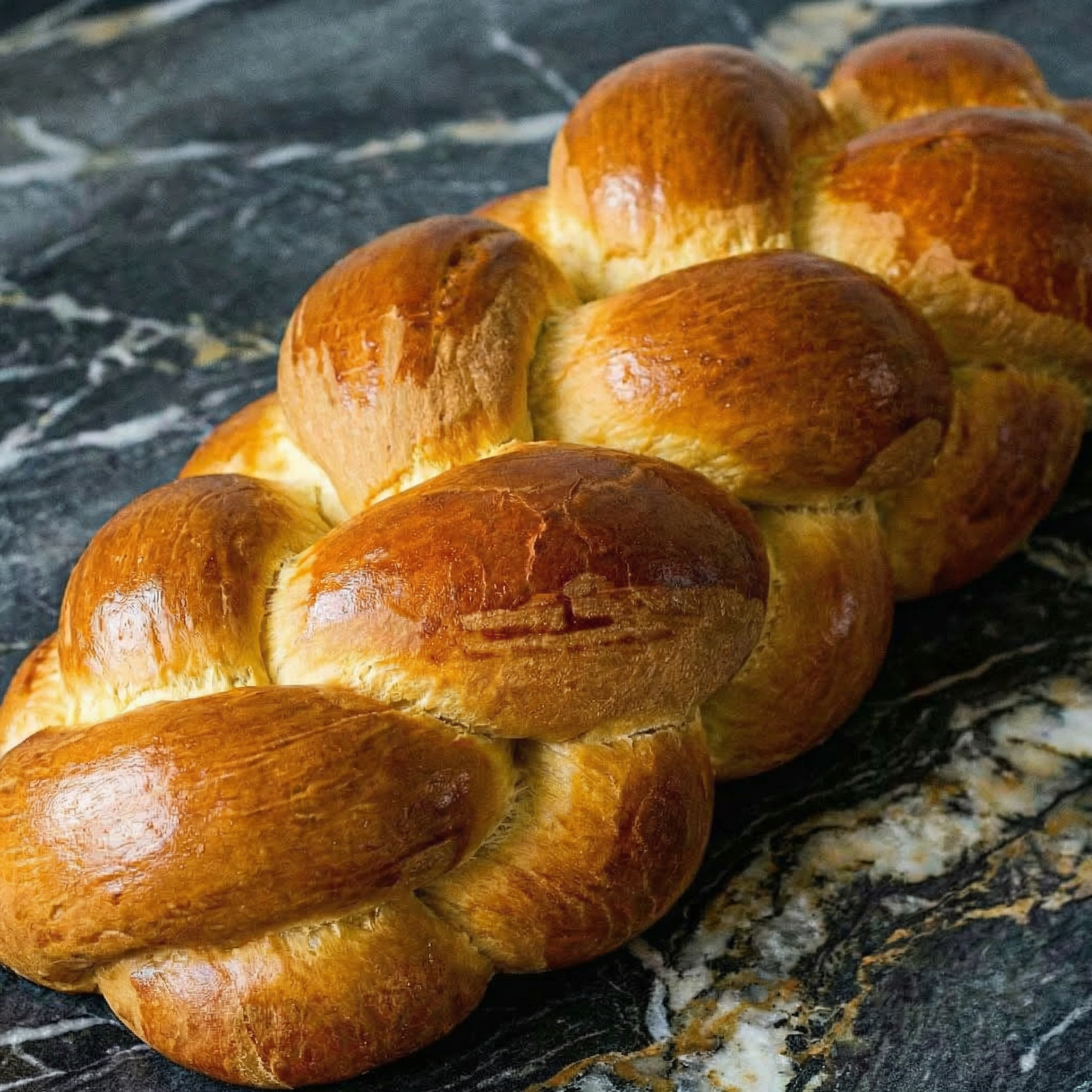
Few breads are as visually stunning and deeply comforting as challah.
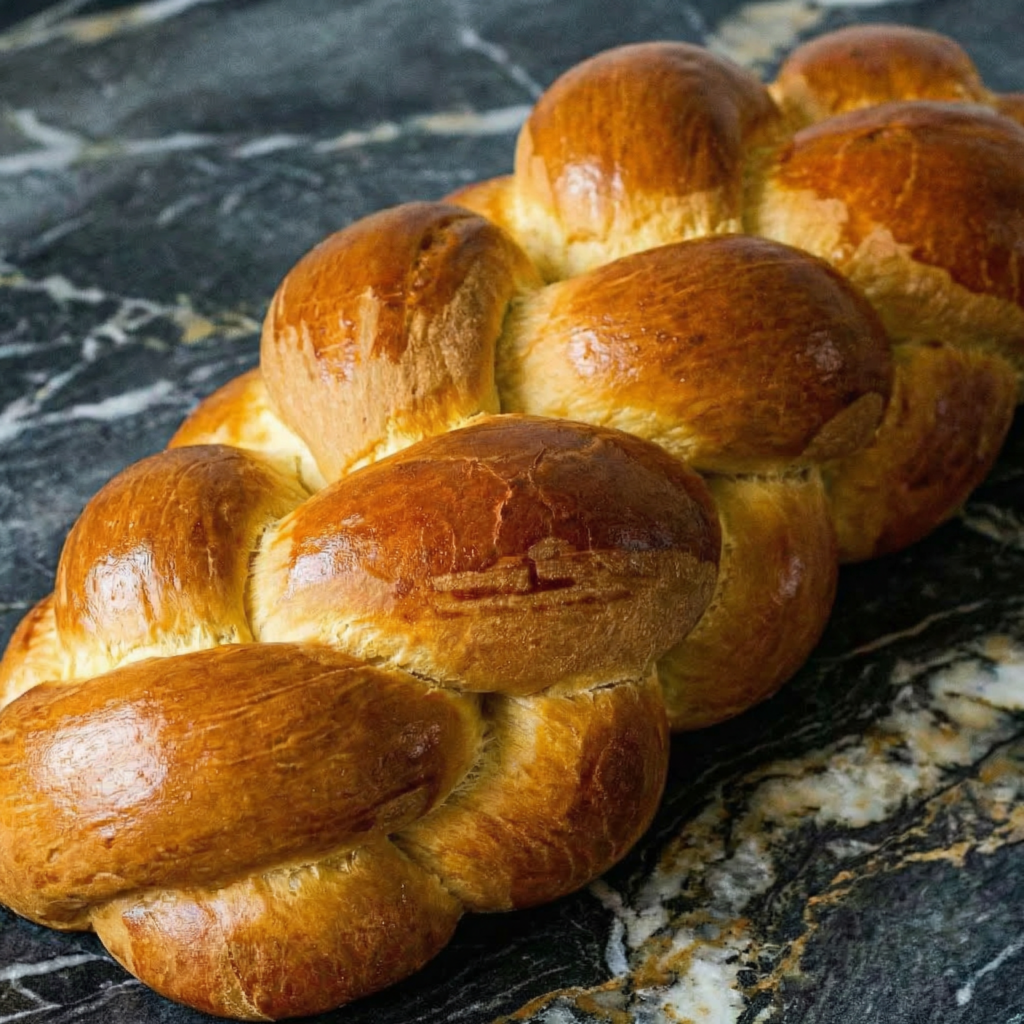
With its shiny golden crust, soft pillowy crumb, and signature braided shape, this bread has been cherished for generations.
By incorporating sourdough fermentation into the process, you can add an extra layer of flavor and depth while maintaining the tender richness that makes challah so special.
Sourdough Challah blends the natural tang of a sourdough starter with the traditional enriched dough made with eggs, oil, and a touch of sweetness.
The result is a beautifully balanced loaf that is perfect for family dinners, sandwiches, or decadent French toast the next morning.
In this step-by-step guide, you will learn exactly how to create your own homemade sourdough challah from scratch.
Why Use Sourdough in Challah?
Traditional challah often relies on commercial yeast for its rise, but using a sourdough starter brings several advantages.
Natural fermentation develops complex flavor, improves digestibility, and gives the bread a soft texture with a subtle tang that complements the sweetness of the dough.
Sourdough also helps the bread stay fresh longer, making it an excellent choice for baking ahead of time.
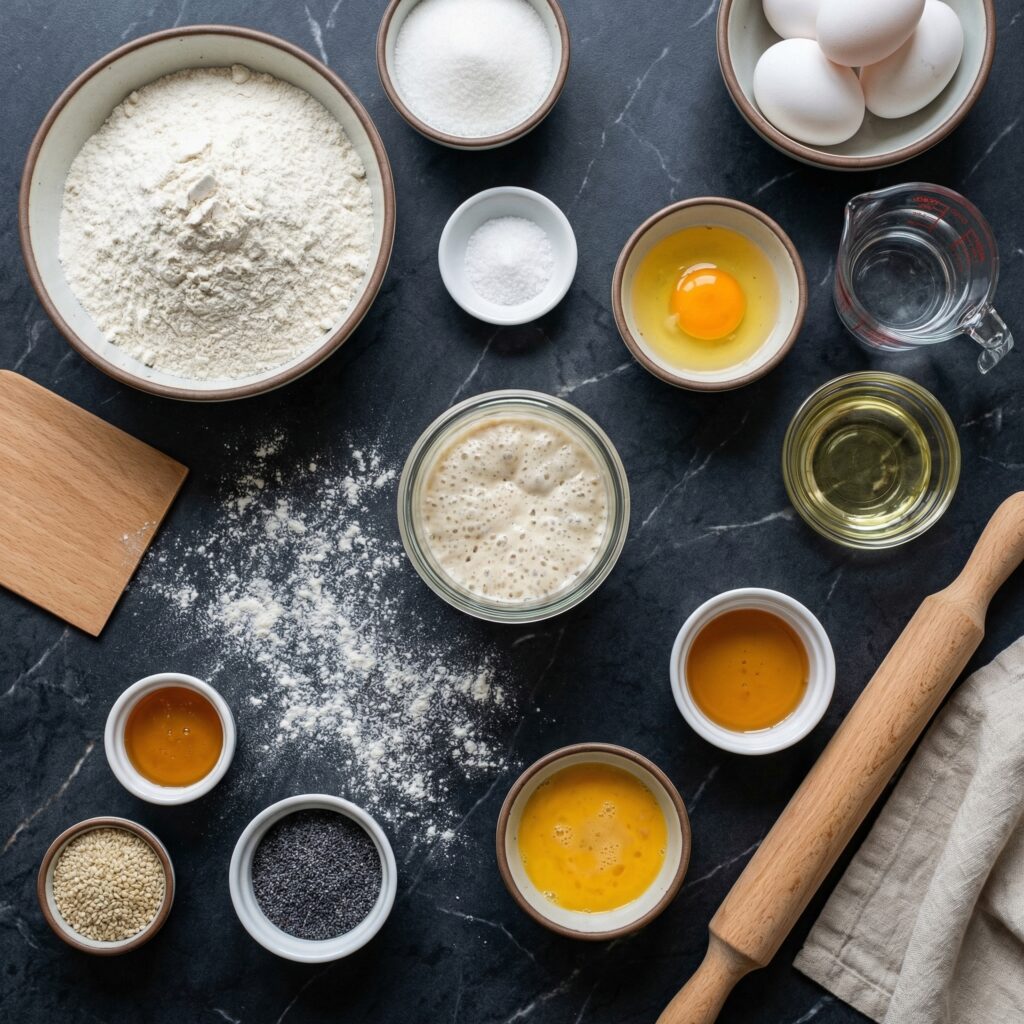
Mix the Wet Ingredients
In a large mixing bowl, whisk together the sourdough starter, eggs, honey, oil, and warm water.
Continue whisking until the mixture becomes smooth and fully combined.
This mixture forms the rich base of the dough and gives challah its tender, slightly sweet character.
Add the Dry Ingredients
Next, add the salt and begin incorporating the bread flour one cup at a time.
Stir with a wooden spoon or dough whisk until a soft dough begins to form.
Once the dough becomes too thick to mix in the bowl, transfer it to a lightly floured work surface.
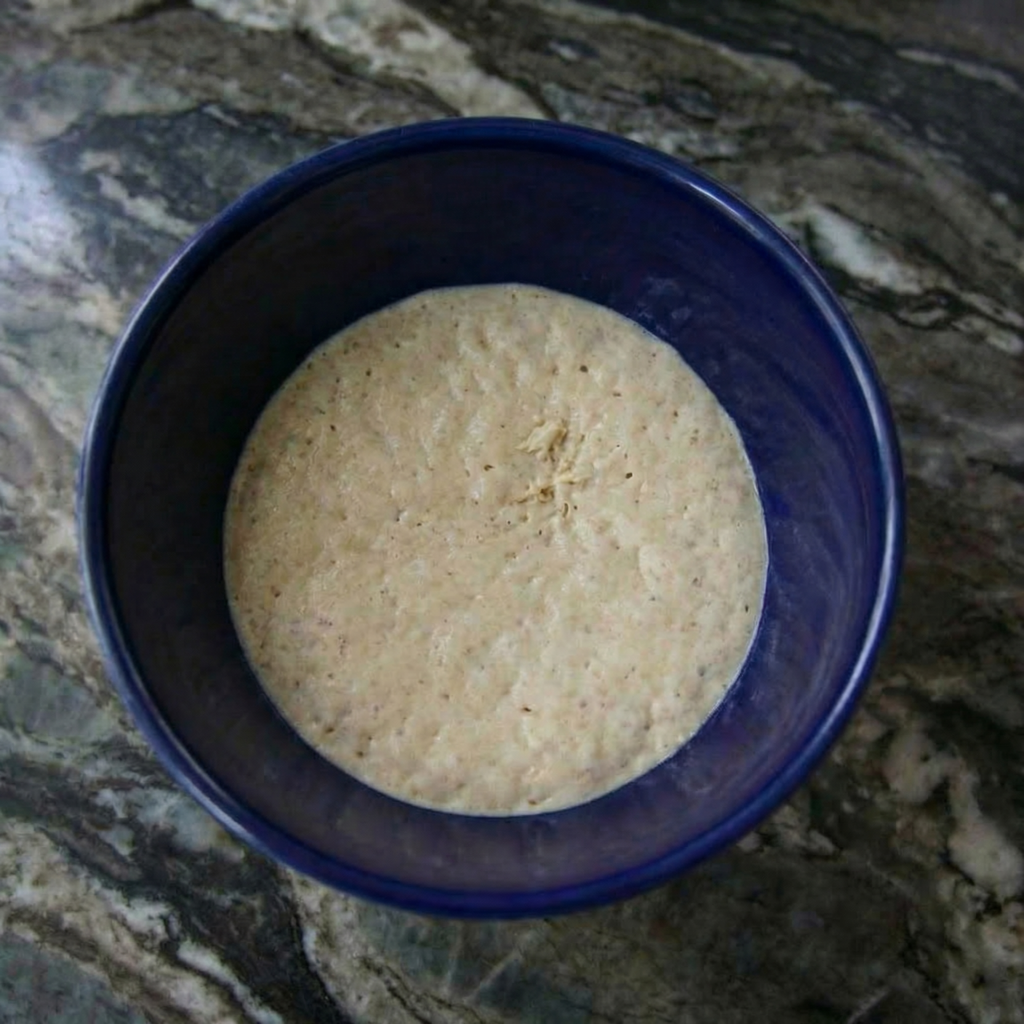
Knead the Dough
Knead the dough for about 10 minutes until it becomes smooth, elastic, and slightly tacky.
Challah dough is enriched with eggs and oil, so it should feel soft but not overly sticky.
If needed, add small amounts of flour while kneading, but avoid adding too much.
Too much flour can make the finished bread dense instead of fluffy.
A well-kneaded dough should stretch easily and form a thin translucent membrane when gently pulled.
First Rise (Bulk Fermentation)
Place the dough into a lightly greased bowl and cover it with plastic wrap or a damp towel.
Allow the dough to rise at room temperature for 4 to 6 hours, or until it has nearly doubled in size.
Because sourdough fermentation is slower than commercial yeast, patience is important during this stage.
For deeper flavor, you can also place the dough in the refrigerator overnight.
This slow fermentation enhances the sourdough character while making the dough easier to shape the next day.
Divide and Shape the Strands
Once the dough has completed its first rise, gently turn it onto a lightly floured surface.
Divide the dough into three or six equal pieces, depending on the type of braid you prefer.
Roll each portion into a long rope approximately 14 to 16 inches long.
Try to keep the strands even in thickness so the loaf bakes evenly.
Braid the Challah
To create a classic three-strand braid, pinch the tops of the three ropes together and braid them just like you would braid hair.
Cross the right strand over the center, then the left strand over the new center, repeating until you reach the bottom.
Pinch the ends together and tuck them underneath the loaf for a clean appearance.
If using six strands, you can create a more elaborate braid, but the basic principle remains the same: alternate crossing the strands over the center to create a woven pattern.
Place the braided loaf on a parchment-lined baking sheet.
Second Rise
Cover the shaped challah loosely with plastic wrap or a kitchen towel and allow it to rise again for 1½ to 2 hours.
During this stage, the braid will expand and become noticeably puffy.
When gently pressed with a fingertip, the dough should slowly spring back.
This second rise ensures the bread develops a light and airy crumb.
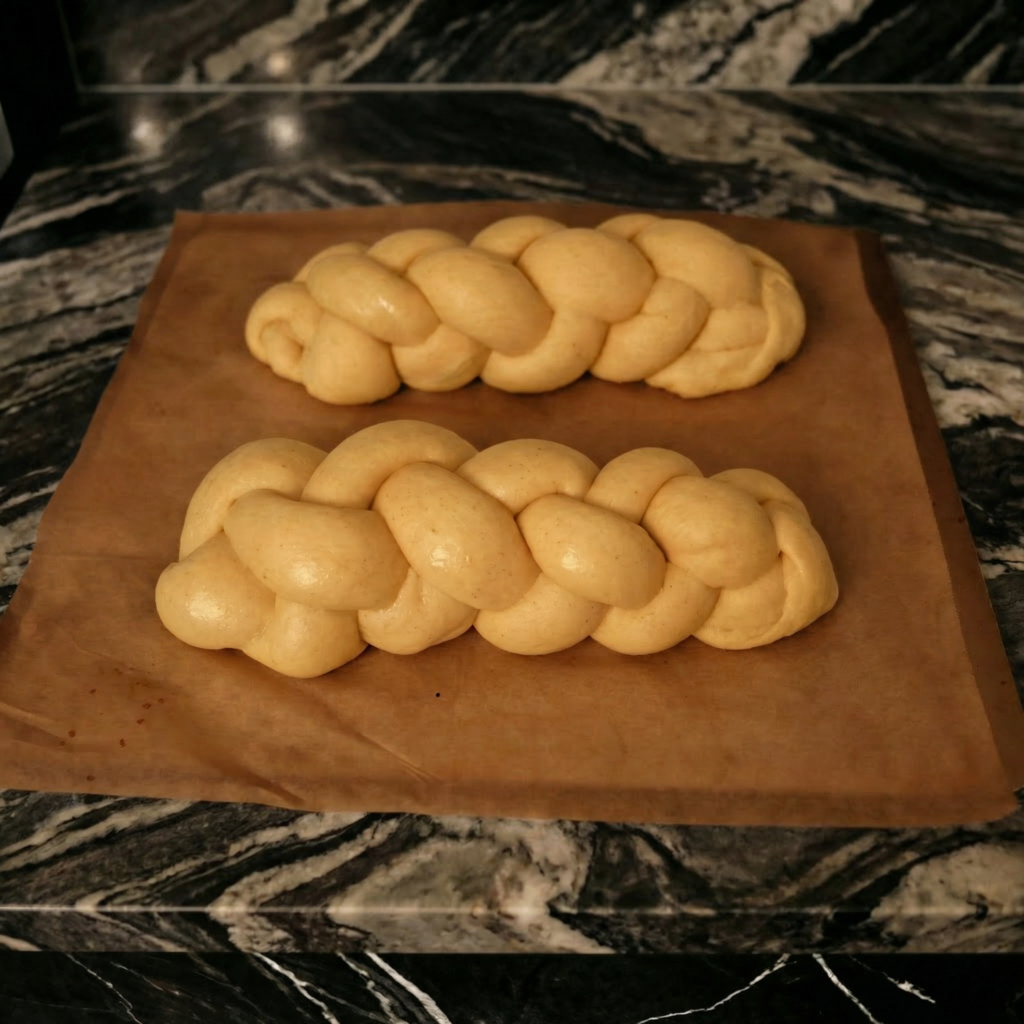
Apply Egg Wash
Preheat your oven to 375°F (190°C).
In a small bowl, whisk together one egg and one tablespoon of water.
Brush this egg wash generously over the entire loaf.
This step gives challah its signature glossy finish and rich golden color.
If desired, sprinkle sesame seeds or poppy seeds over the top for added flavor and texture.
Bake the Challah
Place the loaf in the preheated oven and bake for 28 to 32 minutes, or until the crust is a deep golden brown.
If the top begins browning too quickly, loosely tent the loaf with foil during the final minutes of baking.
The bread should sound slightly hollow when tapped on the bottom and have an internal temperature of about 190°F when fully baked.
Cool Before Slicing
Remove the challah from the oven and place it on a wire rack to cool completely.
Although it may be tempting to slice into it immediately, letting the bread cool allows the interior crumb to set properly.
Cutting too early can compress the soft structure.
Once cooled, the loaf will reveal its tender, fluffy interior and beautifully defined braid.
Serving Ideas
Sourdough challah is wonderfully versatile. Here are some delicious ways to enjoy it:
- Slice it thick and serve with butter and honey
- Use it for rich French toast or bread pudding
- Make gourmet sandwiches
- Toast slices and spread with jam
The slightly sweet flavor and soft texture make it perfect for both sweet and savory dishes.
Final Thoughts
Baking Sourdough Challah is a rewarding experience that combines traditional bread making with the complex flavor of natural fermentation.
From mixing the dough to shaping the braid and watching it bake into a golden masterpiece, each step adds to the joy of homemade bread.
Once you master this recipe, you may find yourself baking challah regularly.
Its rich flavor, stunning appearance, and irresistible softness make it a centerpiece bread that is just as enjoyable to bake as it is to share.