Few breads capture the essence of rustic Italian baking quite like Sourdough Focaccia.
With its crisp golden crust, airy interior, and rich, tangy flavor from natural fermentation, this bread is as versatile as it is delicious. It’s perfect for sandwiches, as a side for soups and salads, or simply enjoyed with olive oil and a sprinkle of sea salt.
Unlike store-bought focaccia, homemade sourdough focaccia has depth of flavor, chewy texture, and a naturally tangy finish that comes from using an active sourdough starter. The process may seem long, but much of the time is hands-off fermentation, making it manageable and immensely rewarding.
Why You’ll Love This Sourdough Focaccia
- Crispy, golden crust with soft, pillowy interior
- Naturally tangy flavor from sourdough fermentation
- Versatile: eat plain, top with herbs, or use in sandwiches
- Minimal hands-on time; most of the process is letting the dough rest
- Perfect for gifting or impressing at dinner parties
Focaccia is forgiving, fun to make, and infinitely customizable. Once you master the basic technique, you can experiment with toppings, herbs, and flavored oils.
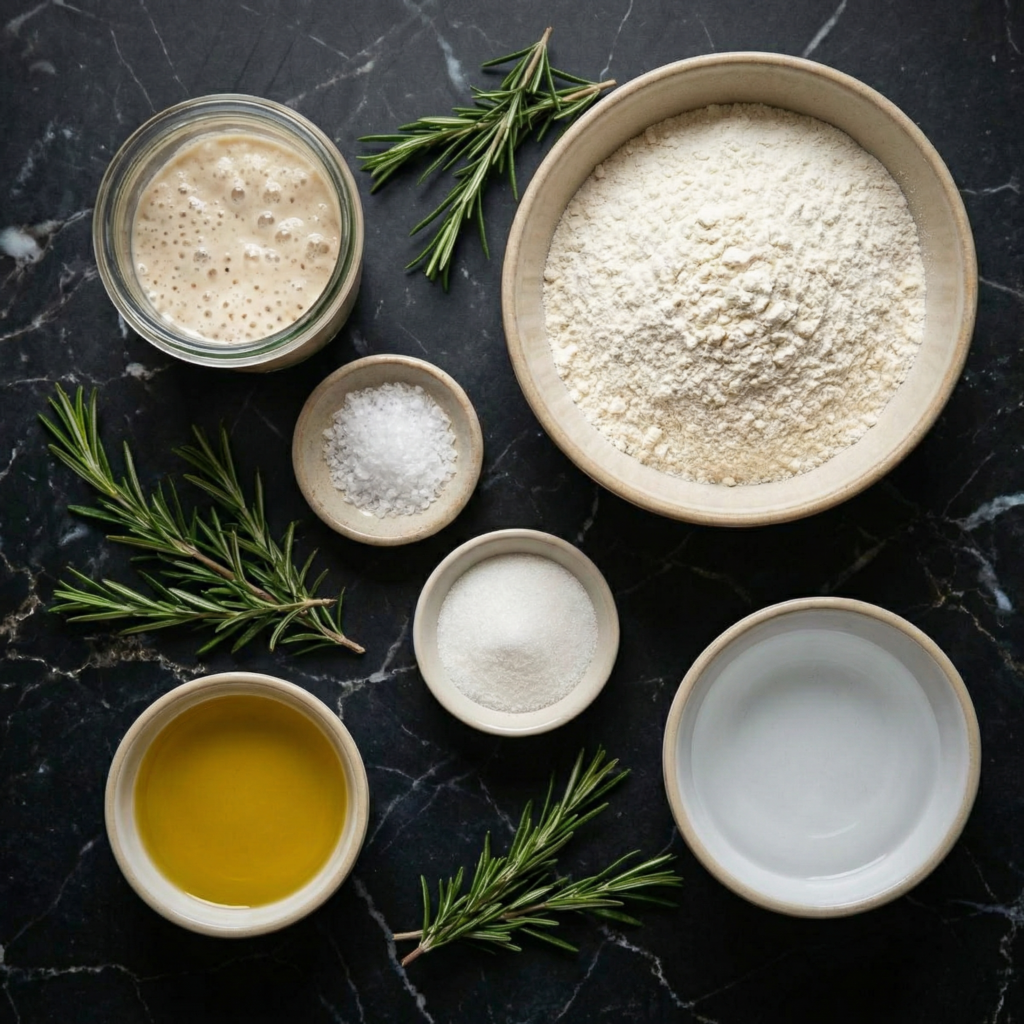
Activate Your Starter
Ensure your sourdough starter is active and bubbly. Feed it 4–6 hours before making the dough so it’s at its peak activity.
This ensures your focaccia rises beautifully and develops a mild tang.
Mix the Dough
In a large mixing bowl, combine the water and sourdough starter. Stir to dissolve the starter.
Add the flour and salt, mixing until no dry bits remain.
The dough will be sticky, which is normal. Cover the bowl with a damp towel or plastic wrap and let it rest for 30 minutes. This is called the autolyse, which allows the flour to fully hydrate and improves gluten development.
Incorporate Olive Oil
After the autolyse, drizzle 3 tablespoons of olive oil over the dough. Fold the dough over itself several times in the bowl until the oil is incorporated.
This creates a silky, extensible dough and adds richness to the focaccia.
Bulk Fermentation
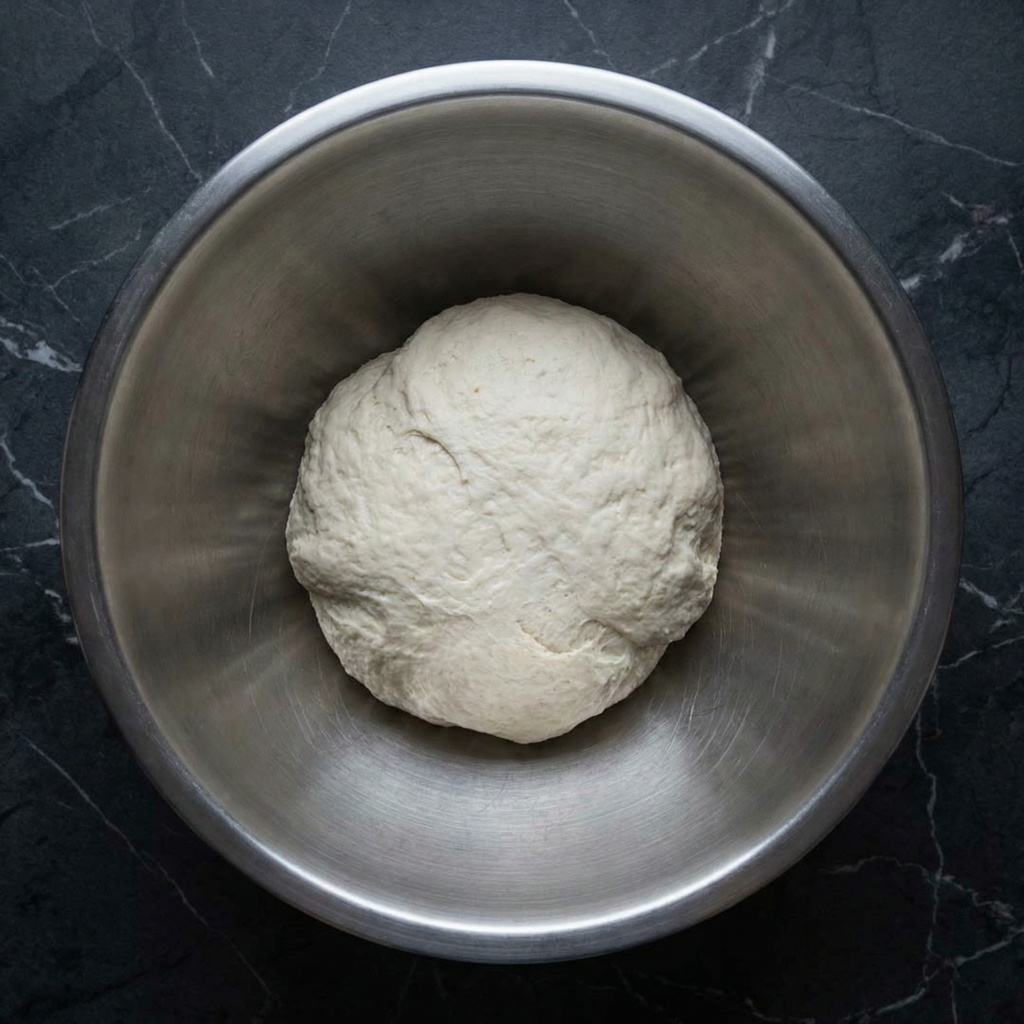
Cover the bowl and let the dough rest at room temperature for 3–4 hours.
Every 30–45 minutes during the first 2 hours, perform stretch-and-folds: gently lift one side of the dough and fold it over, rotating the bowl as you go. Repeat 4–5 times.
These folds develop gluten and give the bread structure while keeping it light and airy.
Prepare the Baking Pan
Generously oil a 9×13-inch or 11×7-inch baking pan. This ensures the focaccia won’t stick and helps develop a crisp bottom crust.
After bulk fermentation, transfer the dough to the prepared pan. Gently press it to fill the corners without deflating the air pockets.
Final Proof
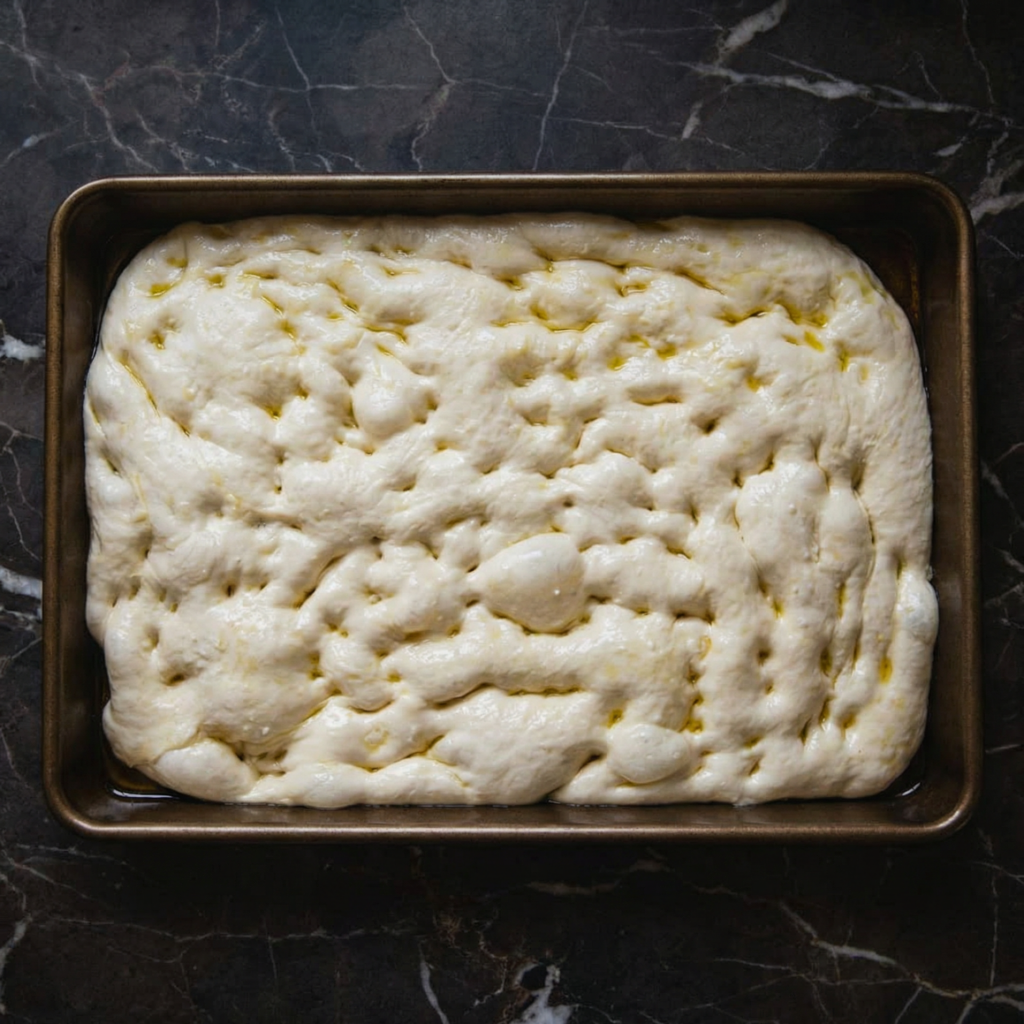
Cover the dough loosely and let it proof for 1–2 hours at room temperature. It should puff slightly and become airy.
Dimple the Dough
Using your fingertips, gently press dimples into the dough. These indentations are classic focaccia and help the olive oil and toppings sink in evenly.
Drizzle generously with olive oil and sprinkle with coarse sea salt. Add optional toppings like rosemary, thyme, olives, or cherry tomatoes.
Preheat the Oven
Preheat your oven to 450°F (230°C) while the dough is finishing its final proof. A hot oven ensures a crisp, golden crust.
Bake the Focaccia
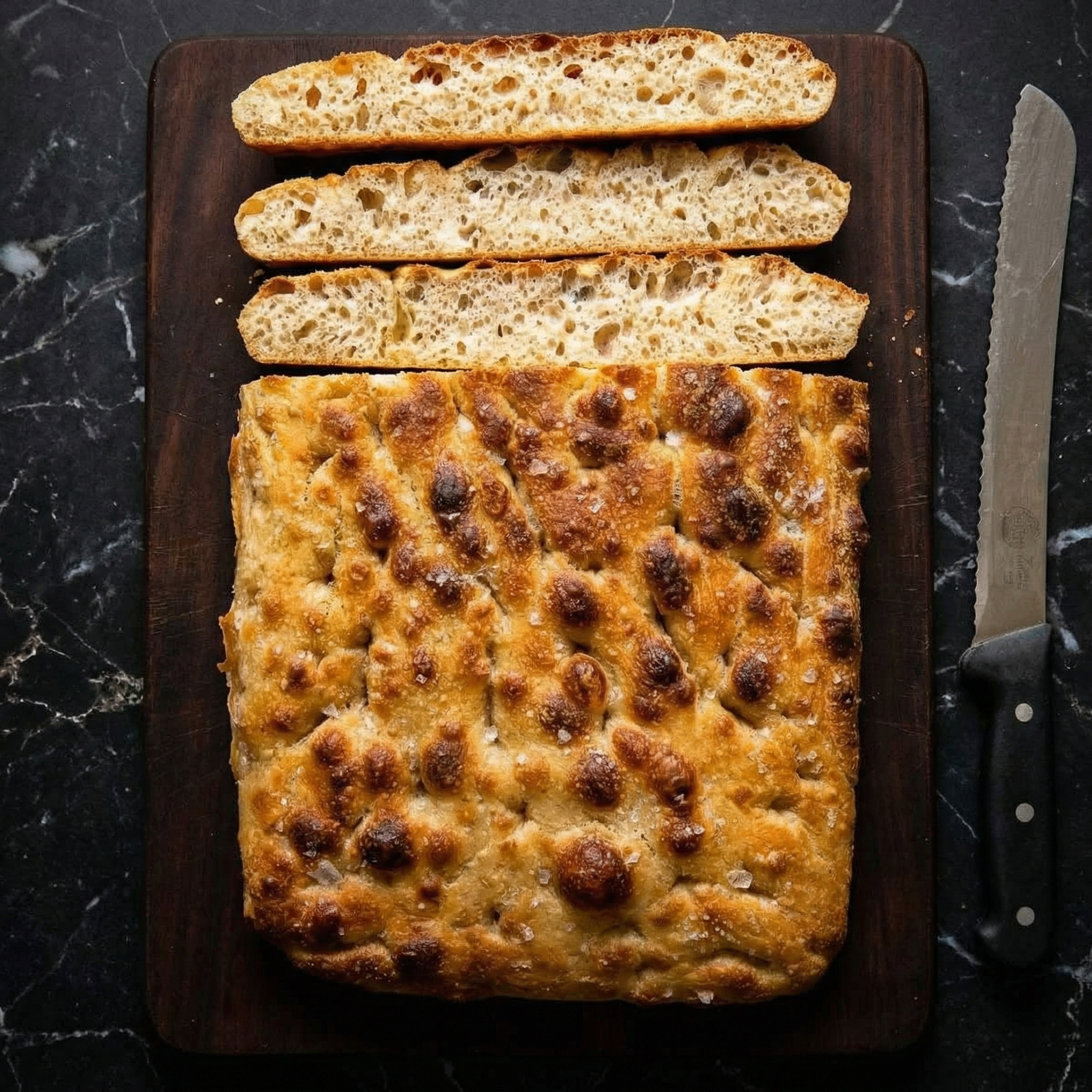
Bake for 20–25 minutes, or until the crust is golden brown and crispy. The internal temperature should reach about 200°F (93°C) for fully baked bread.
Remove from the oven and let it cool slightly in the pan for 5–10 minutes. This allows the interior to set while keeping it soft and airy.
Slice and Serve
Transfer the focaccia to a cooling rack or serve directly from the pan. Slice into squares or rectangles.
It’s perfect warm, drizzled with more olive oil, or served with dips like balsamic vinegar, hummus, or even alongside pasta dishes and salads.
Flavor and Texture Highlights
- Crisp, golden exterior with a slight chew
- Soft, airy interior with large, irregular holes
- Mild tang from sourdough starter
- Fragrant herbs and olive oil infuse every bite
Each bite is a combination of crunch, chew, and rich, complex flavor.
Tips for Perfect Sourdough Focaccia
- Use a strong, active starter for best rise and flavor.
- Don’t skip the autolyse—it improves dough texture.
- Be gentle when transferring to the pan to preserve air pockets.
- Use plenty of olive oil for flavor and to achieve a golden crust.
- Customize toppings but avoid overloading, which can weigh down the dough.
- Slice while slightly warm for the best texture.
Optional Variations
- Herb Focaccia: Rosemary, thyme, or oregano
- Cheesy Focaccia: Sprinkle grated Parmesan or mozzarella before baking
- Mediterranean Focaccia: Add olives, sun-dried tomatoes, or caramelized onions
- Spicy Focaccia: Sprinkle red pepper flakes on top before baking
- Sweet Focaccia: Top with figs, honey drizzle, or sliced grapes for a dessert version
Storage and Make-Ahead
- Store at room temperature in an airtight container for up to 2 days.
- Reheat in a 350°F (175°C) oven for 5–10 minutes for a fresh-baked texture.
- Dough can be refrigerated overnight for slow fermentation, which develops even more flavor.
Why This Recipe Works
The secret to perfect sourdough focaccia is hydration, gentle handling, and proper fermentation.
The high moisture content creates open air pockets, while the olive oil adds richness and keeps the crust tender.
Stretch-and-folds develop gluten without deflating the dough, resulting in a light, airy interior. Baking at high heat ensures a crisp golden crust, while dimpling allows oil and toppings to infuse the bread with flavor.
This Sourdough Focaccia combines rustic charm, airy texture, and deep flavor, making it a must-have in any home baker’s repertoire. Crispy on the outside, tender on the inside, and fragrant with olive oil and herbs, it’s a bread that can stand alone or complement any meal.
From simple meals to festive gatherings, this sourdough focaccia elevates every table with its golden, airy perfection.