There’s something incredibly satisfying about baking bread from scratch, especially when sourdough is involved.
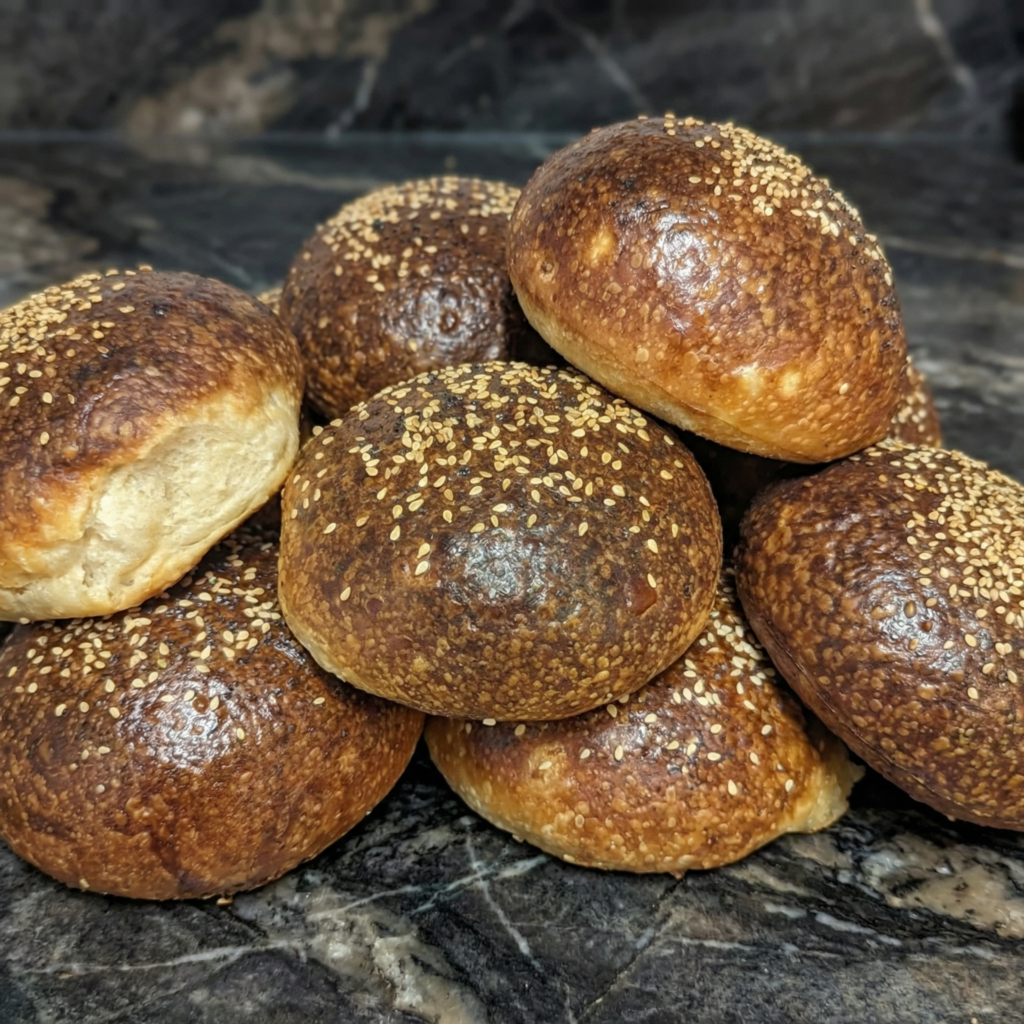
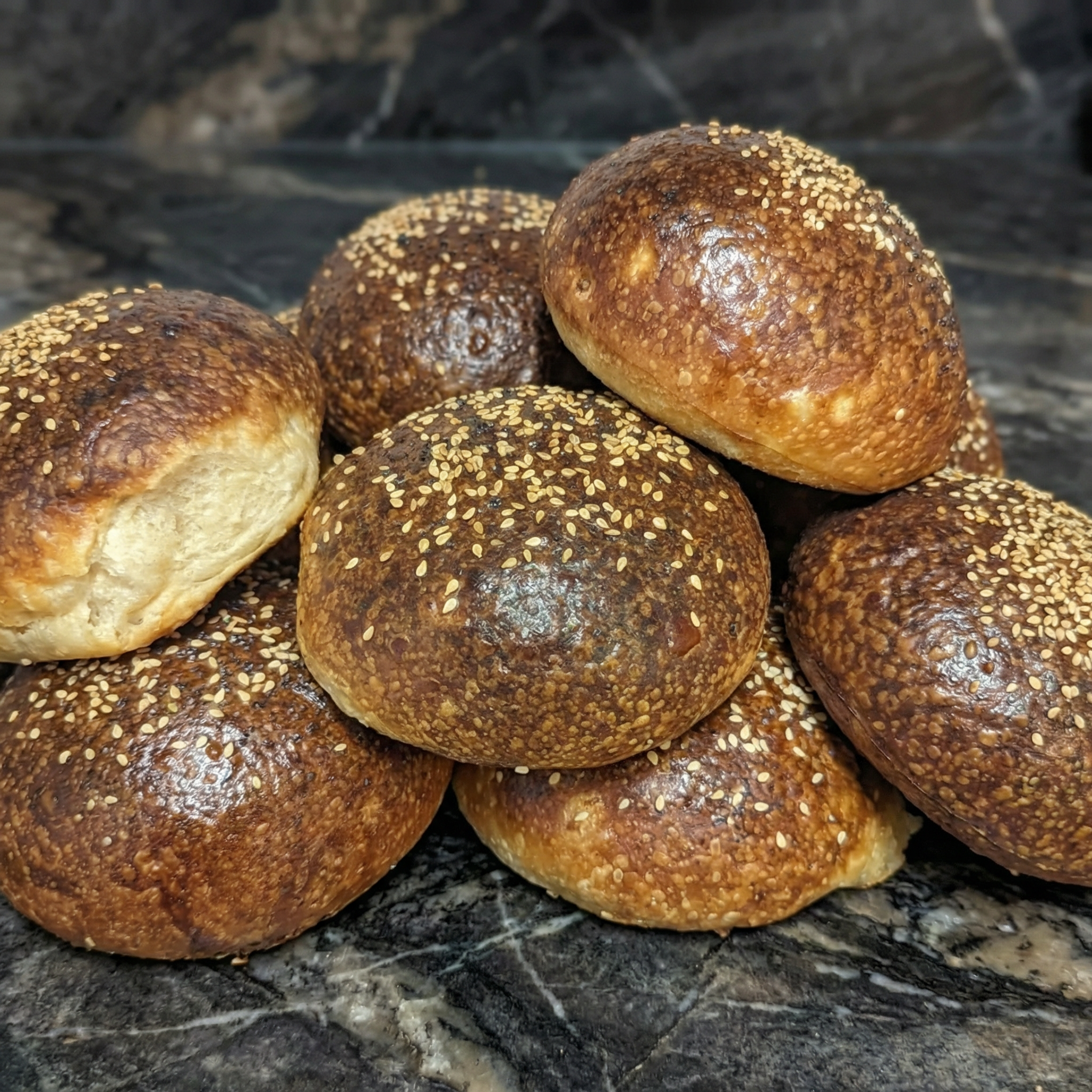
These Sourdough Potato Buns are soft, pillowy, and slightly tangy with a rich depth of flavor that only natural fermentation can provide.
The addition of mashed potatoes keeps the buns extra moist and tender, making them perfect for burgers, sandwiches, or simply enjoying warm with butter.
If you already maintain a sourdough starter, this recipe is a fantastic way to turn it into bakery-quality buns right in your own kitchen.
Below is a detailed step-by-step guide to help you achieve beautifully golden, fluffy sourdough potato buns every time.
Why Add Potatoes to Bread?
Mashed potatoes may sound unusual in bread dough, but they work wonders. Potatoes contain starch that helps retain moisture, resulting in softer bread that stays fresh longer.
In these buns, the potato also contributes a subtle sweetness and smooth texture that pairs perfectly with the mild tang of sourdough.
The result is a bun that is tender enough for sandwiches yet sturdy enough to hold juicy burger fillings without falling apart.
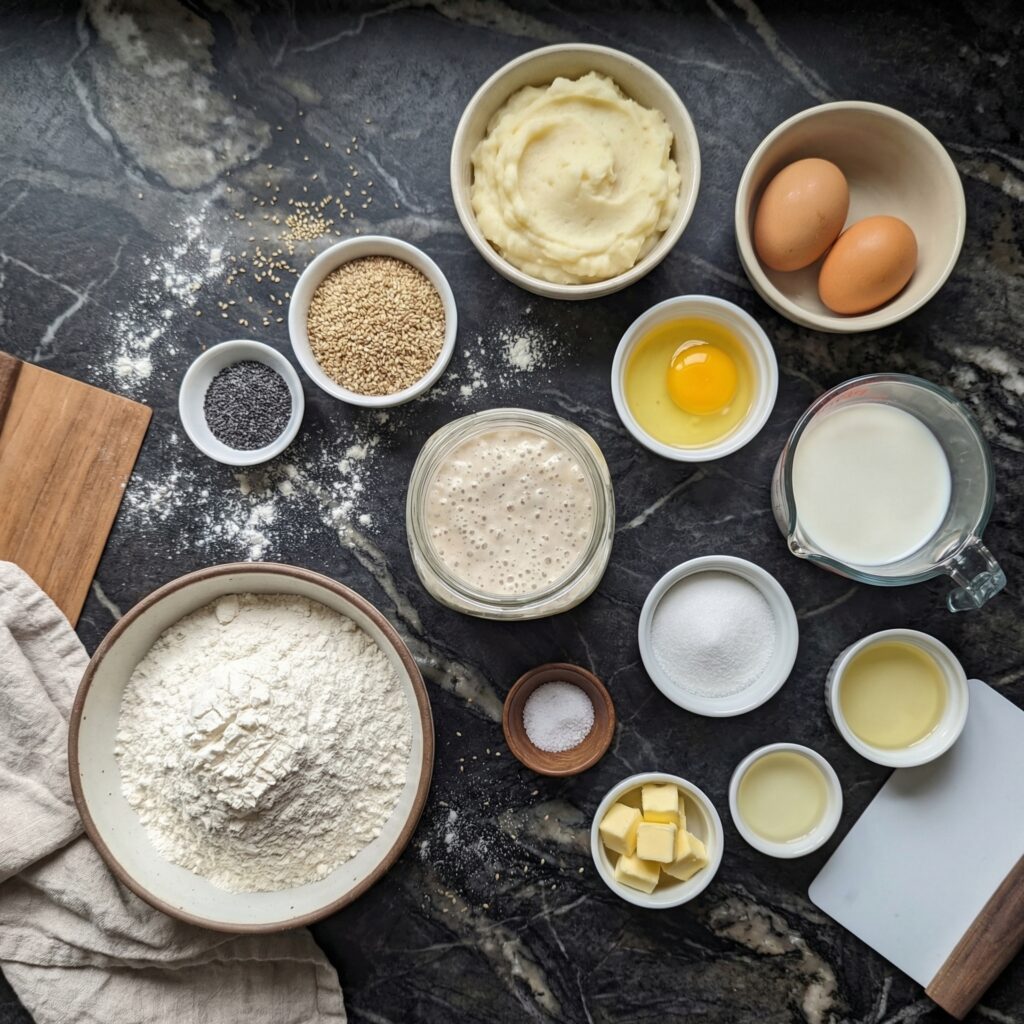
Prepare the Mashed Potatoes
Start by preparing plain mashed potatoes if you do not already have leftovers.
Boil a peeled potato until tender, then mash it thoroughly without adding milk, butter, or seasoning.
Measure one cup and allow it to cool completely before adding it to the dough.
Cool potatoes are important because hot potatoes can damage the sourdough starter and affect fermentation.
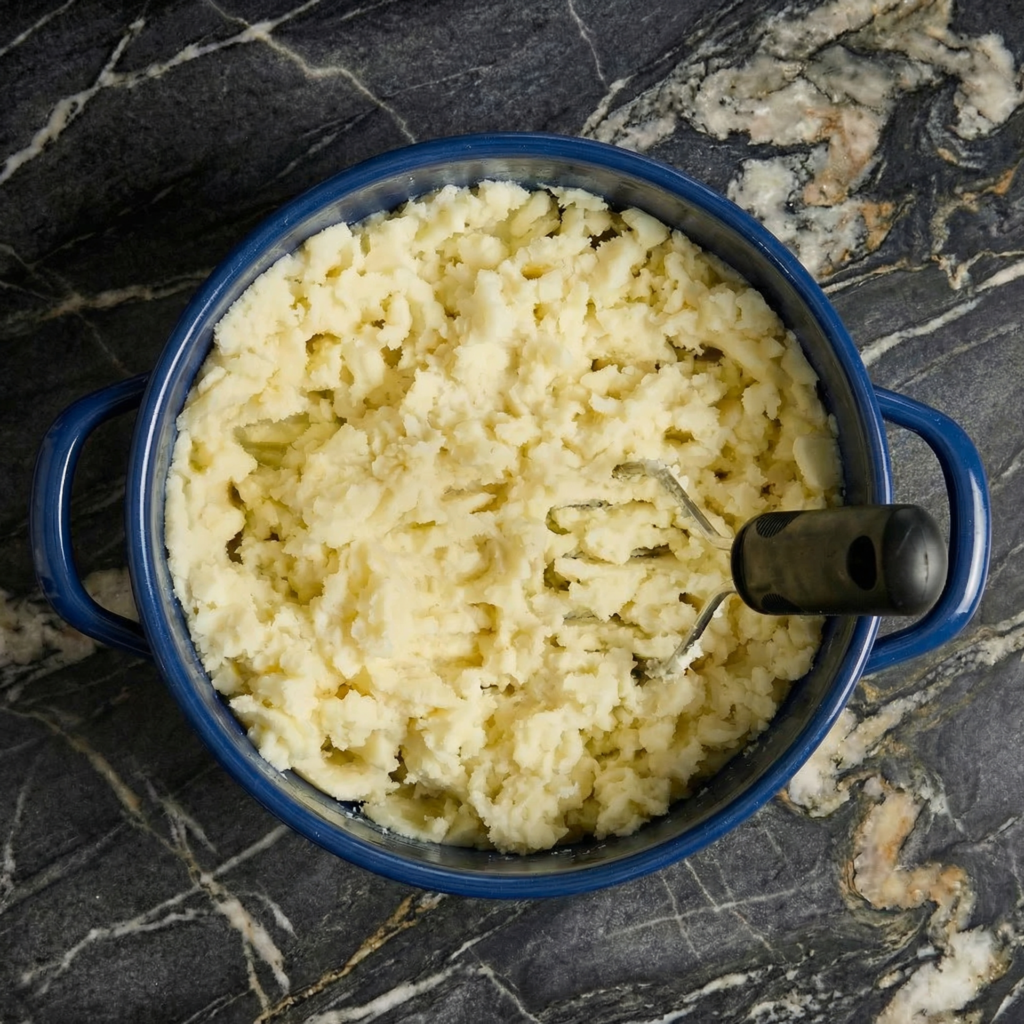
Mix the Dough
In a large mixing bowl, combine the sourdough starter, warm milk, mashed potatoes, sugar, butter, and egg.
Whisk everything together until the mixture becomes smooth and well blended.
Next, add the salt and begin incorporating the bread flour one cup at a time.
Stir with a wooden spoon or dough whisk until a soft dough begins to form.
Once the dough becomes difficult to stir, transfer it to a lightly floured work surface.
Knead the Dough
Knead the dough for about 8 to 10 minutes until it becomes smooth, elastic, and slightly tacky.
If the dough feels too sticky, sprinkle in small amounts of flour while kneading.
Avoid adding too much flour, as softer dough results in fluffier buns.
You will know the dough is ready when it stretches without tearing and springs back slightly when pressed.
First Rise (Bulk Fermentation)
Place the dough into a lightly greased bowl and cover it with a damp towel or plastic wrap.
Allow it to rise at room temperature for about 4 to 6 hours, depending on the strength of your sourdough starter.
The dough should double in size and feel airy and light when ready.
For deeper sourdough flavor, you can also place the dough in the refrigerator overnight for a slow fermentation.
This method enhances the tanginess and makes the dough easier to handle the next day.
Shape the Buns
Once the dough has finished its first rise, gently deflate it and transfer it onto a lightly floured surface.
Divide the dough into 8 to 10 equal portions, depending on how large you want your buns.
Roll each portion into a smooth ball by tucking the edges underneath and rotating it against the work surface.
Place the shaped buns onto a parchment-lined baking sheet, leaving enough space between them to expand during the second rise.
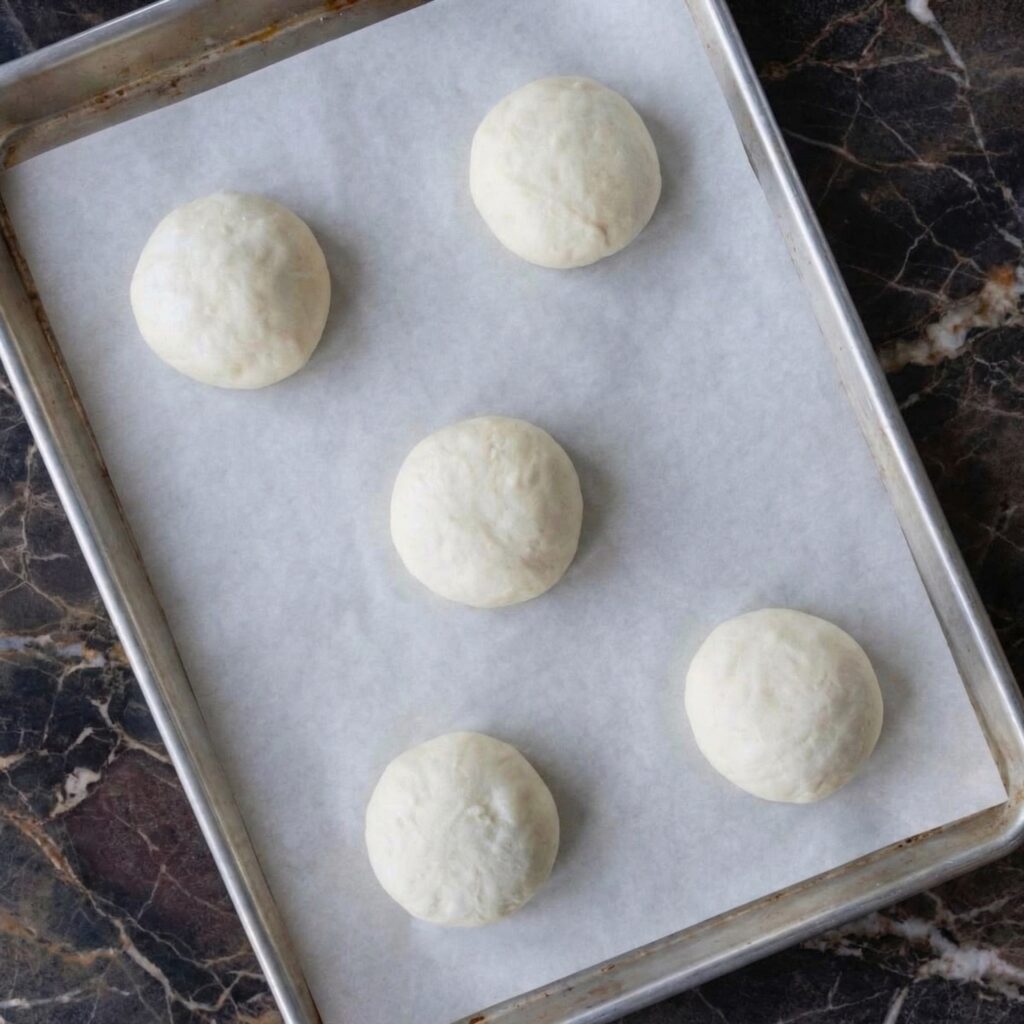
Second Rise
Cover the baking sheet loosely with plastic wrap or a clean kitchen towel and allow the buns to rise again for about 1½ to 2 hours.
During this stage, the buns will become noticeably puffier and softer.
When gently pressed with a fingertip, the dough should slowly spring back rather than immediately collapsing.
This second rise is essential for achieving the airy, tender texture that makes sourdough buns so irresistible.
Prepare for Baking
Preheat your oven to 375°F (190°C) about 20 minutes before baking.
Brush the tops of the buns with egg wash to give them a shiny golden finish. If desired, sprinkle sesame seeds or everything seasoning on top for extra flavor and visual appeal.
Bake the Buns
Place the baking sheet in the preheated oven and bake the buns for 18 to 22 minutes, or until they are golden brown on top.
The internal temperature of the buns should reach approximately 190°F to 200°F when fully baked.
Your kitchen will fill with the comforting aroma of fresh sourdough bread as the buns bake.
Cool Before Serving
Remove the buns from the oven and transfer them to a wire rack to cool for at least 20 minutes.
Although it may be tempting to cut into them right away, allowing the buns to cool helps set the crumb structure and prevents them from becoming gummy inside.
Once cooled, slice them open to reveal their soft, fluffy interior.
Serving Ideas
Sourdough potato buns are incredibly versatile. Here are a few delicious ways to enjoy them:
- Use them as burger buns for homemade burgers
- Make hearty breakfast sandwiches with eggs and bacon
- Serve them alongside soups or stews
- Toast them lightly and spread with butter and jam
Their tender texture and rich flavor make them a standout addition to almost any meal.
Tips for Perfect Sourdough Potato Buns
For the best results, keep these helpful tips in mind:
- Make sure your sourdough starter is active and bubbly before mixing the dough.
- Use plain mashed potatoes with no added salt or dairy.
- Avoid adding too much flour to keep the buns soft.
- Allow enough time for both fermentation stages.
Patience is key when working with sourdough, but the flavor and texture are well worth the wait.
Final Thoughts
Homemade Sourdough Potato Buns combine the comforting softness of potato bread with the signature tang of sourdough fermentation.
They are fluffy, flavorful, and far superior to most store-bought buns.
Whether you are preparing burgers for a weekend cookout or crafting a gourmet sandwich, these buns provide the perfect foundation.
Once you try baking them yourself, they may quickly become a regular part of your sourdough baking routine.