There’s nothing quite like the buttery, flaky layers of a perfectly baked croissant. Now, imagine that classic French pastry with the added depth of flavor from natural fermentation.
Sourdough Croissants combine the delicate flakiness of laminated dough with the subtle tang of sourdough, creating an elevated pastry experience that’s both impressive and deeply satisfying.
While croissants are often thought of as intimidating to bake at home, using a sourdough starter adds complexity to the flavor and allows you to slow down the process, making it more manageable.
With patience and attention to detail, you can create bakery-quality croissants that are crisp on the outside, soft and airy on the inside, and layered with buttery perfection.
This guide will take you step by step through the process of making sourdough croissants, from mixing the dough to pulling the golden pastries from your oven.
Why Sourdough Works in Croissants
Sourdough enhances laminated dough in several ways:
- Flavor: The natural fermentation adds subtle tang, which balances the richness of the butter.
- Structure: The organic acids in sourdough improve gluten strength, helping maintain the layers during lamination.
- Shelf Life: Naturally leavened pastries stay fresh longer due to slower staling.
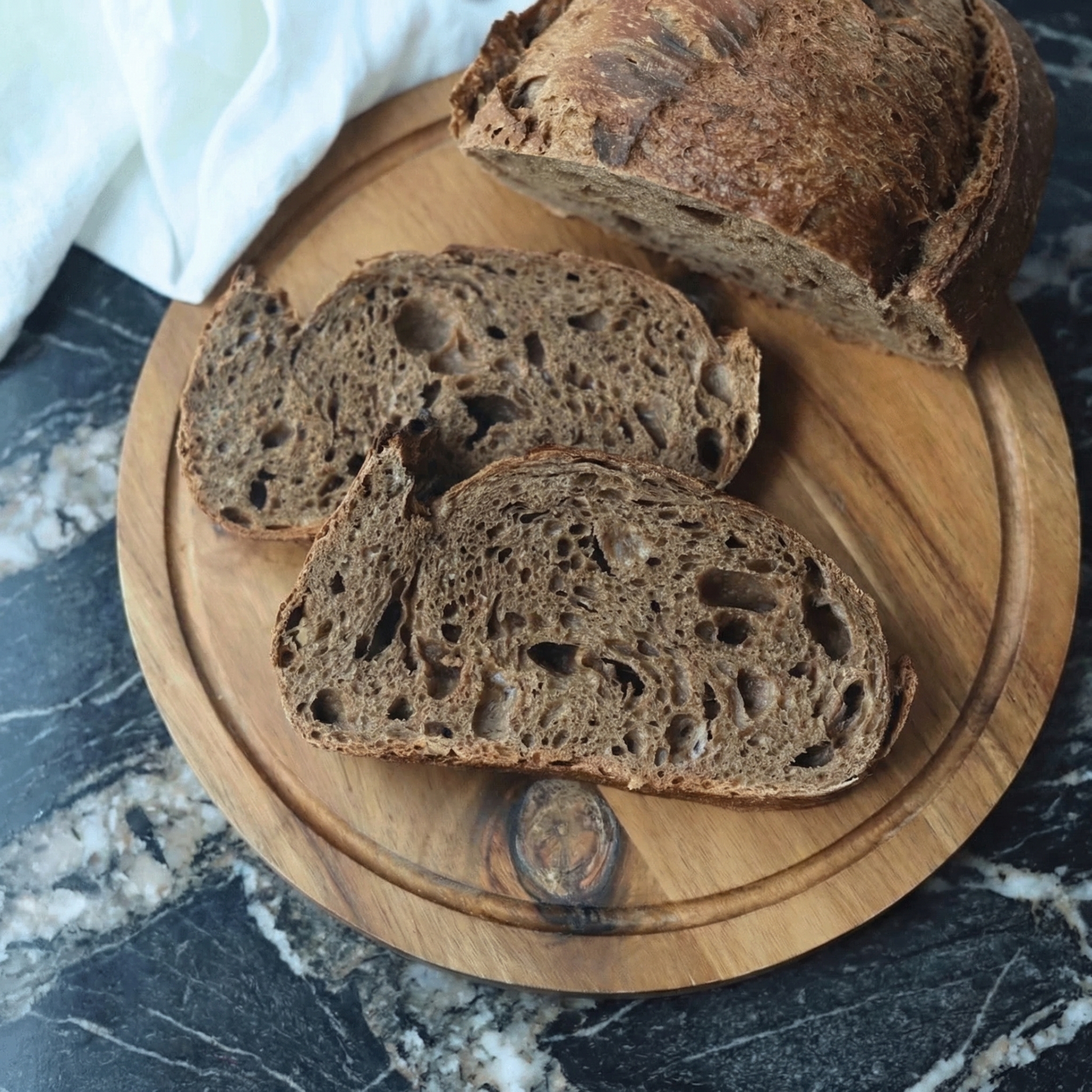
Unlike commercial yeast croissants, sourdough croissants require a longer fermentation, which allows for better flavor development and a more complex aroma.
Prepare the Dough (Détrempe)
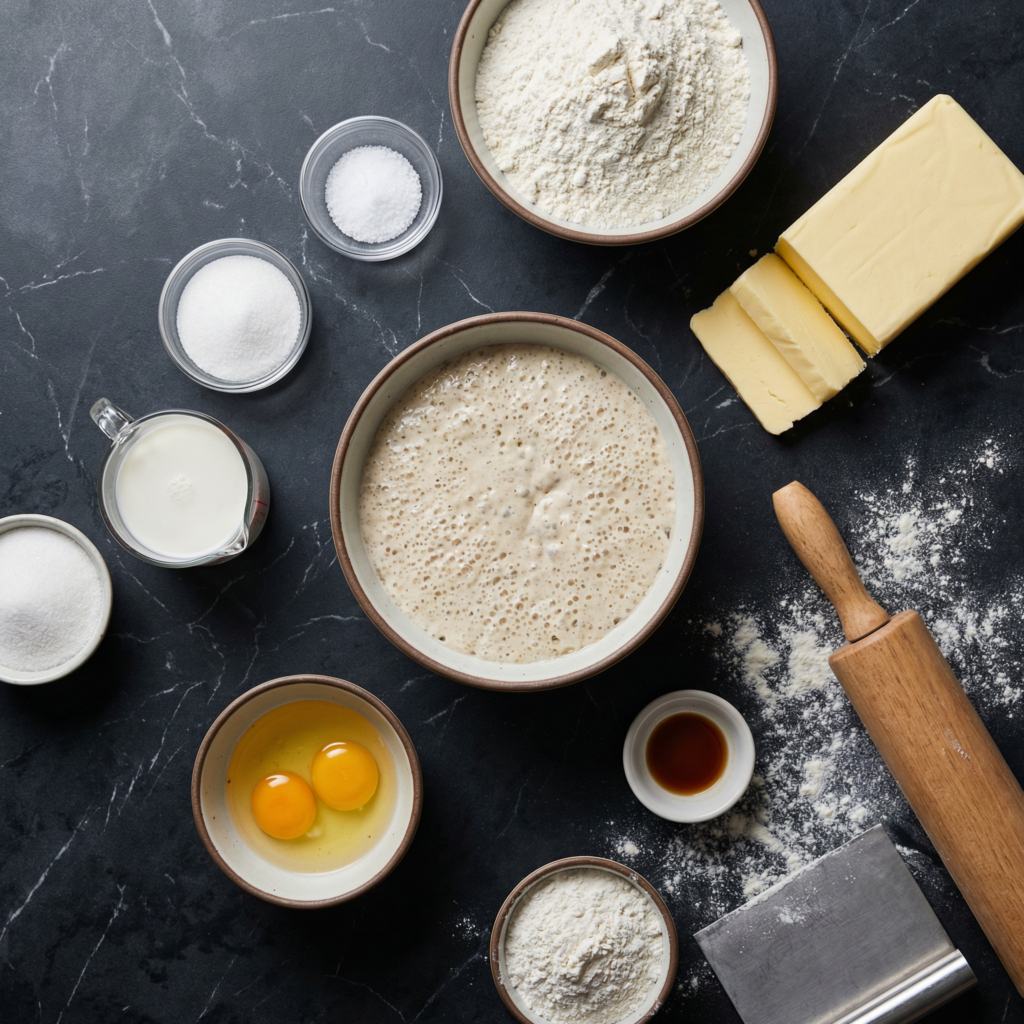
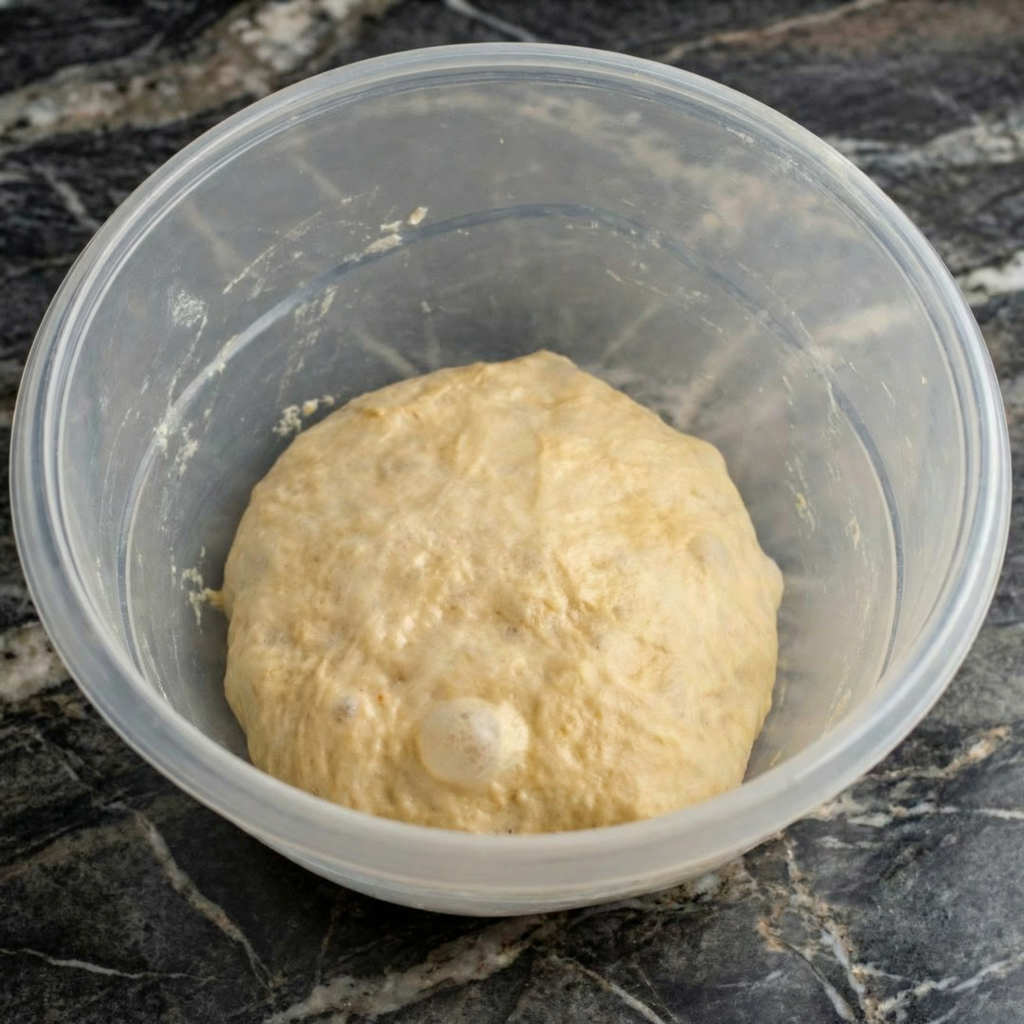
In a large bowl, mix the active sourdough starter, lukewarm milk, sugar, salt, and softened butter. Stir until smooth.
Gradually add the bread flour and mix until it forms a rough, slightly sticky dough. Knead briefly until combined; croissant dough is typically soft but not over-kneaded at this stage.
Cover the bowl and let the dough rest for 30 minutes. This allows the flour to hydrate and makes lamination easier later.
Prepare the Butter Block (Beurrage)
While the dough rests, prepare the butter block. Place the cold butter between two sheets of parchment paper.
Use a rolling pin to flatten it into a rectangle about 1 cm thick. The butter should be pliable but still cold, not soft or melting.
Chill in the refrigerator if needed until firm but still workable.
Incorporate the Butter
Roll out the rested dough into a rectangle about ½ cm thick, slightly larger than your butter block.
Place the butter on the dough, positioning it in the center. Fold the edges of the dough over the butter so it is fully encased. Seal the seams gently to prevent butter leakage.
This forms the base for the laminated layers that will make your croissants flaky.
First Fold (Tour Simple)
Roll the dough into a long rectangle about 60 cm by 20 cm.
Perform a single fold: fold one-third of the dough toward the center, then fold the opposite third over it, like folding a letter. This is called a single turn (tour simple).
Wrap in plastic wrap and chill in the refrigerator for 30–60 minutes. The dough must remain cold to maintain distinct layers.
Second and Third Folds
Repeat the rolling and folding process two more times, chilling the dough for 30–60 minutes between each fold.
After three folds, you will have 27 layers of butter and dough, which will create the signature flakiness in the croissants.
Do not rush this process—keeping the dough cold is key to successful lamination.
Shape the Croissants
After the final fold and chill, roll the dough into a rectangle about ½ cm thick.
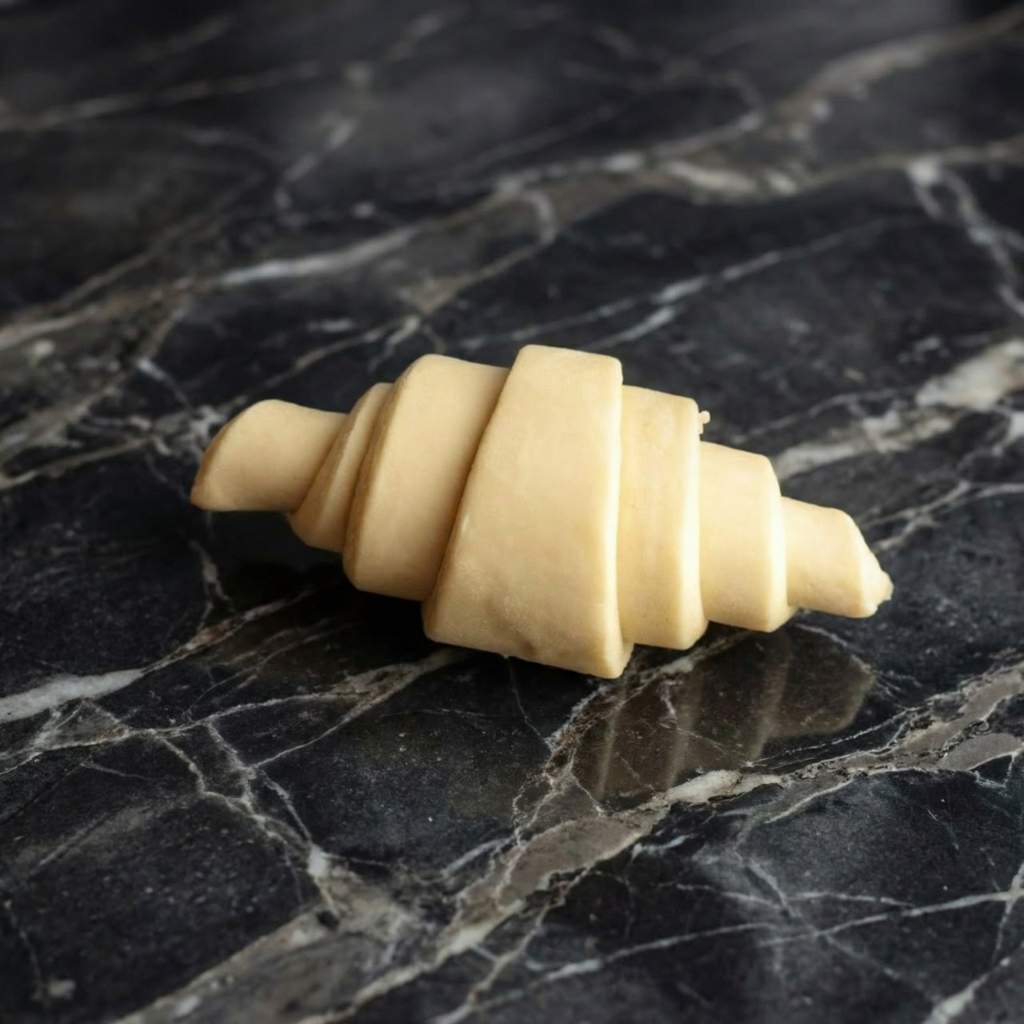
Cut triangles approximately 12 cm wide at the base and 20 cm tall.
For each triangle, make a small slit at the base, then gently stretch and roll the dough toward the tip to form a crescent shape. Place shaped croissants on a parchment-lined baking tray.
Final Proof
Cover the croissants loosely with plastic wrap or a damp towel.
Allow them to proof at room temperature for 2–3 hours, or until slightly puffy. They should not double in size completely, as over-proofing can cause collapse during baking.
Refrigerating overnight at this stage is optional and will develop deeper flavor. Bring them back to room temperature for about 30–45 minutes before baking.
Apply Egg Wash
Preheat your oven to 200°C (390°F).
Gently brush the croissants with the egg wash. Be careful not to deflate the dough. This will give the croissants a golden, glossy finish.
Bake the Croissants
Bake in the preheated oven for 15–20 minutes, rotating halfway through for even browning.
The croissants should rise beautifully and develop a deep golden brown color. The layers should be visible along the sides, and the aroma of butter and sourdough will fill your kitchen.
Cool and Serve
Remove the croissants from the oven and let them cool on a wire rack for 10–15 minutes.
While still slightly warm, you can enjoy them as-is or fill them with chocolate, almond paste, or jam.
Serving Ideas
- Enjoy fresh with butter and jam
- Use for breakfast sandwiches
- Fill with chocolate or pastry cream for dessert
- Serve alongside coffee or hot chocolate
Sourdough croissants are perfect for a weekend brunch or special occasion.
Tips for Perfect Sourdough Croissants
- Keep the dough and butter cold throughout the process.
- Use a sharp knife or pastry cutter to shape triangles precisely.
- Don’t over-proof; croissants need structure to hold their shape.
- Practice patience; laminated dough improves with care and time.
Final Thoughts
Baking Sourdough Croissants at home is a labor of love that rewards you with flaky, buttery, and flavorful pastries.
The natural sourdough adds depth, while careful lamination ensures layers that are light, airy, and crisp.
Once you master this recipe, sourdough croissants can become a regular part of your baking repertoire—perfect for breakfasts, brunches, or even special celebrations.
Each bite delivers the signature combination of crisp exterior, tender interior, and that subtle tang only sourdough can provide.