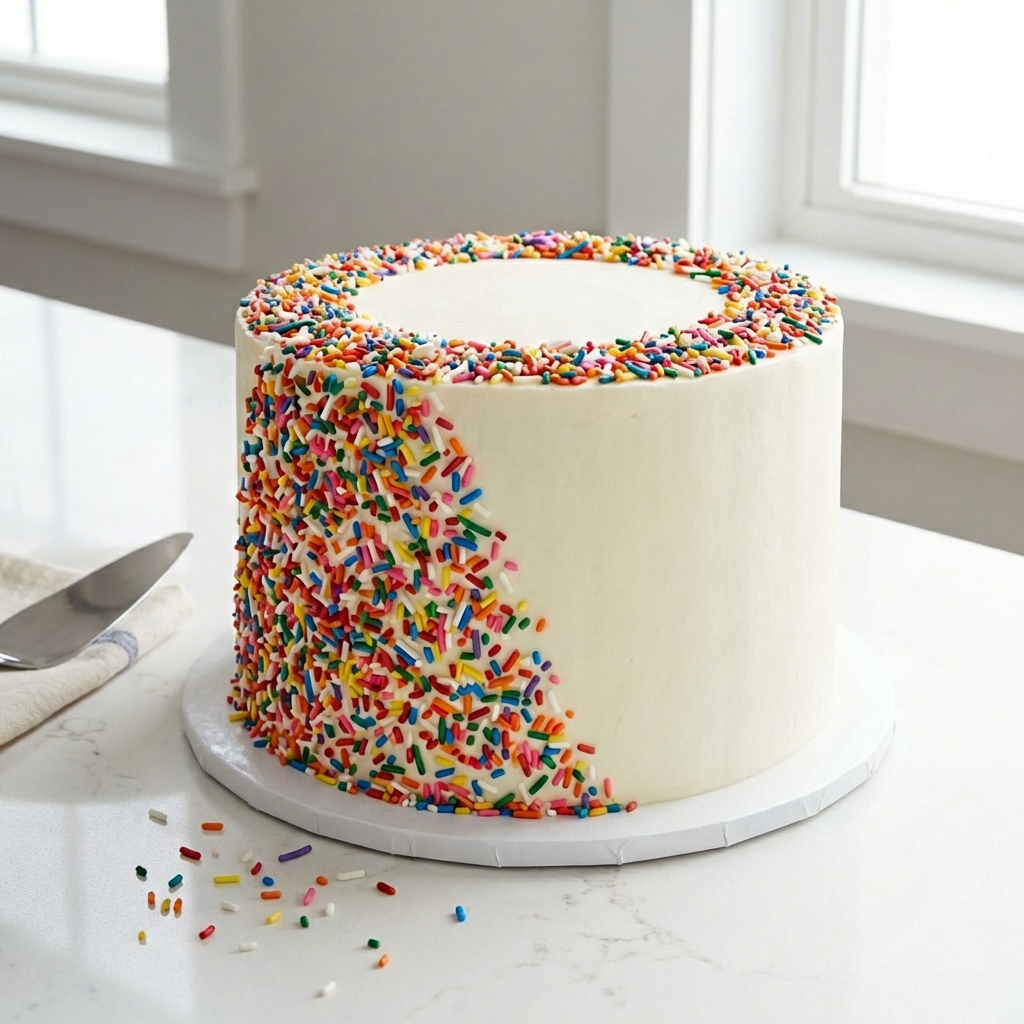
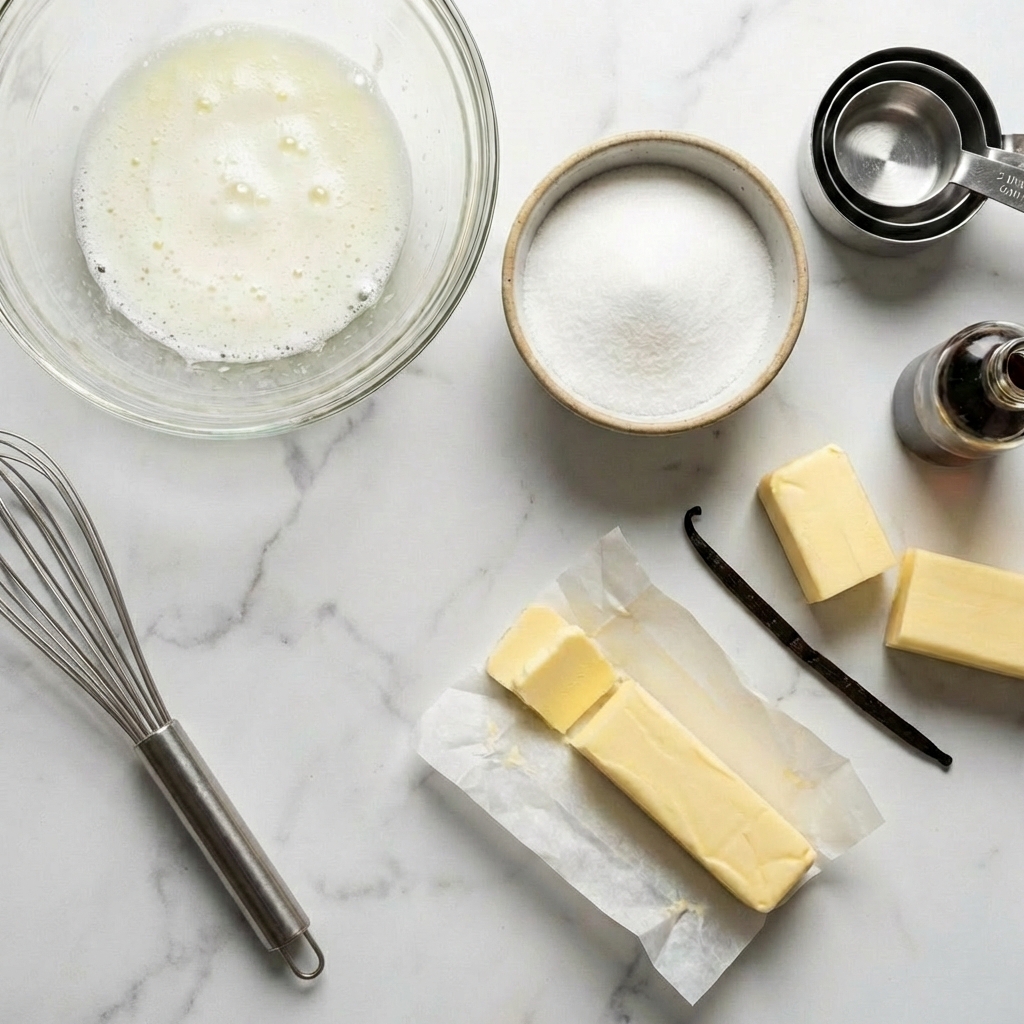
Celebrate in style with this timeless, crowd-pleasing Classic Birthday Cake. This recipe yields two incredibly moist, tender vanilla cake layers that are perfectly balanced in sweetness.
Paired with a luxurious, silky-smooth vanilla buttercream frosting, it’s a versatile masterpiece ready for your favorite decorations. Simple enough for beginner bakers yet impressive for any party, this is the definitive homemade birthday cake that tastes even better than store-bought.
The Science of a Moist, Tender Crumb & Stable Frosting
This cake achieves its perfect texture through the reverse creaming method. Unlike traditional creaming, the room-temperature butter is beaten into the dry ingredients first, coating the flour particles in fat.
This inhibits gluten formation, resulting in an exceptionally tender and fine-crumbed cake with a tighter structure that can support layers. The liquid ingredients (including buttermilk or milk) are added in stages to create a smooth, emulsified batter. The buttercream’s stability comes from creating a meringue base.
Egg whites (or meringue powder) and sugar are heated to a safe temperature, then whipped into a stable, glossy meringue that can hold an immense amount of butter without becoming greasy or separating. This creates a frosting that is light, not overly sweet, and holds its shape perfectly for piping and decorating, even at room temperature.
Instructions
Prepare Cake Pans & Preheat
Preheat oven to 350°F (175°C). Grease two 8-inch or 9-inch round cake pans, line the bottoms with parchment paper, then grease the parchment. Lightly flour the pans.
Mix the Cake Batter (Reverse Creaming)
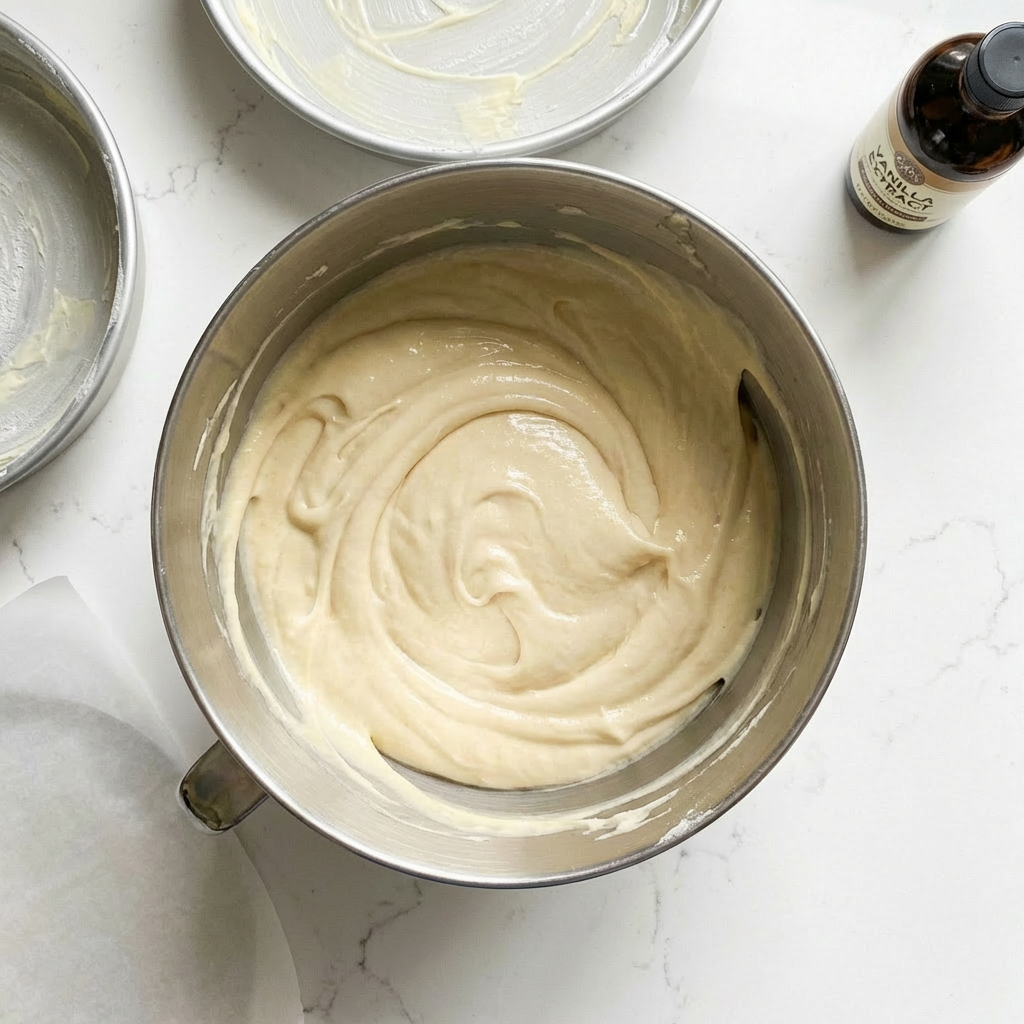
In the bowl of a stand mixer fitted with the paddle attachment, combine the flour, sugar, baking powder, and salt. Mix on low for 30 seconds to combine. With the mixer running on low, add the cubed room-temperature butter one piece at a time. Mix until the mixture resembles coarse, damp sand and no large butter pieces remain.
Add Wet Ingredients & Finish Batter
In a separate bowl or large measuring cup, whisk together the eggs, milk, vanilla extract, and oil until smooth. With the mixer on low, add half of this wet mixture to the dry ingredients.
Mix on medium-low for 1 minute until smooth, scraping down the bowl. Add the remaining wet mixture and mix for an additional 30 seconds on medium-low, just until the batter is smooth, homogeneous, and glossy. Do not overmix.
Bake & Cool Cake Layers
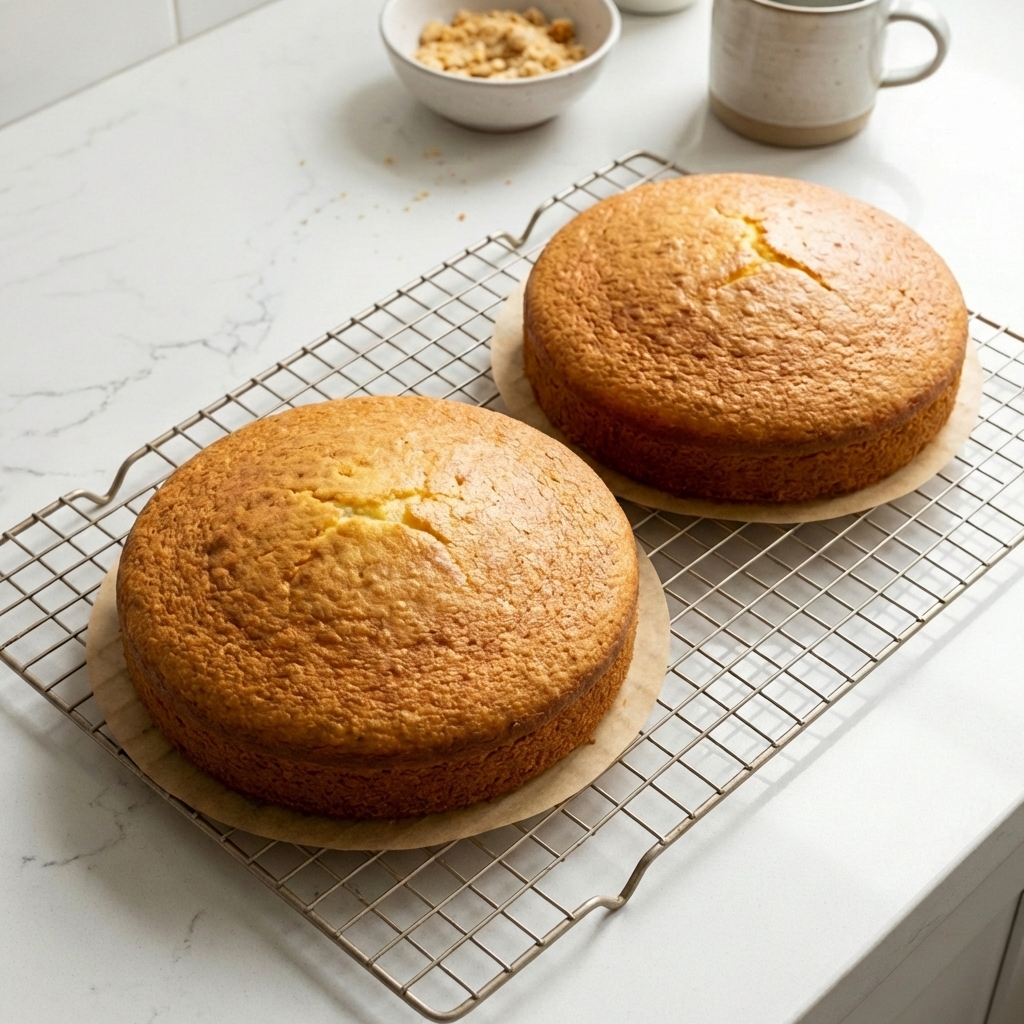
Divide the batter evenly between the prepared pans. Bake for 30-35 minutes (for 9-inch) or 35-40 minutes (for 8-inch), or until a toothpick inserted into the center comes out clean and the cakes spring back when lightly touched.
Let cakes cool in pans on a wire rack for 15 minutes, then run a knife around the edges and invert onto racks to cool completely. Wrap in plastic wrap once cool if not assembling immediately.
Make the Swiss Meringue Buttercream
Combine egg whites, sugar, and salt in the clean bowl of a stand mixer. Place over a pot of simmering water (double boiler), whisking constantly, until the mixture reaches 160°F (71°C) and the sugar is completely dissolved (it should feel smooth between your fingers).
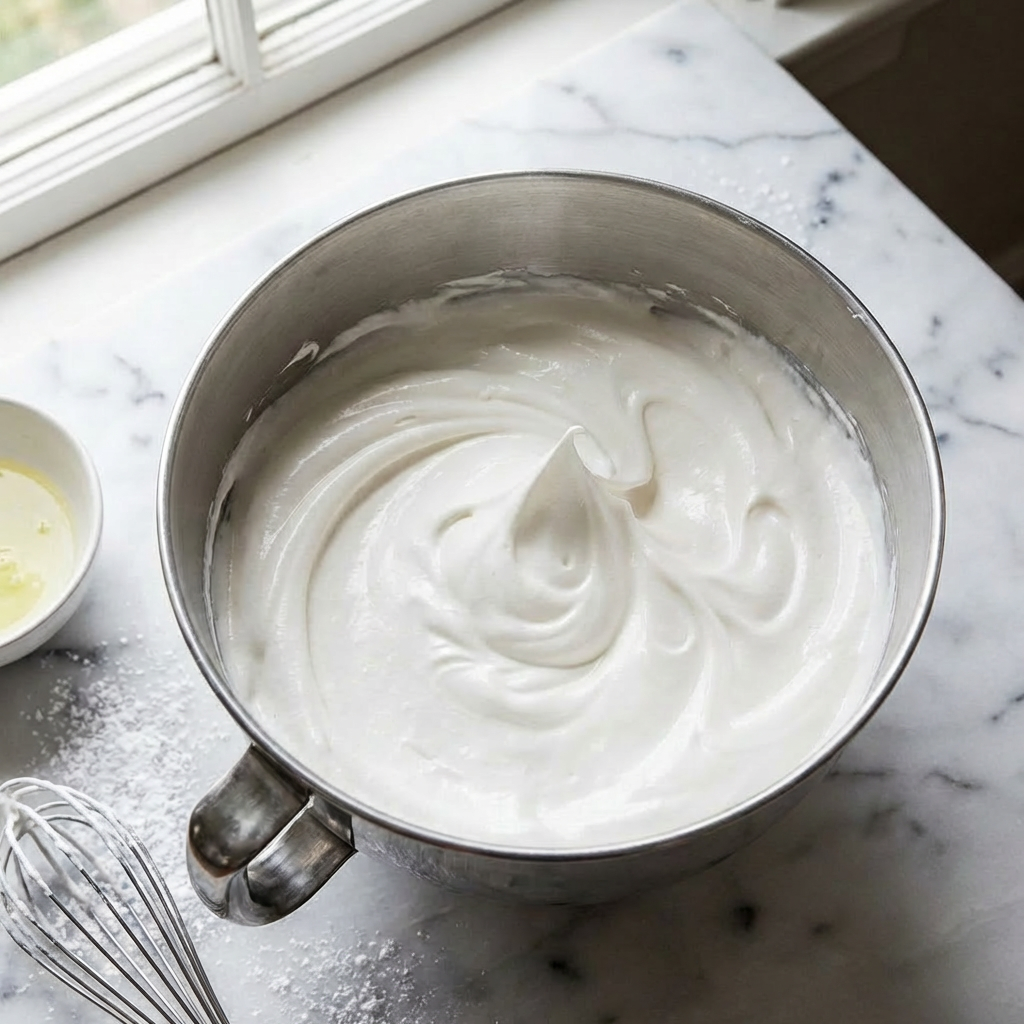
Attach the bowl to the stand mixer fitted with the whisk attachment. Whip on high speed until the meringue is thick, glossy, cool to the touch, and holds stiff peaks (about 8-10 minutes). Switch to the paddle attachment. With the mixer on medium-low, add the room-temperature butter one cube at a time, waiting until each is incorporated before adding the next.
The mixture may look curdled briefly but will become smooth. Once all butter is added, whip on medium-high for 2-3 minutes until silky and smooth. Beat in the vanilla extract.
Assemble & Frost the Cake
If desired, level the cooled cake layers with a serrated knife. Place one layer on a cake board or plate. Brush lightly with simple syrup (optional). Spread a generous layer of buttercream. Top with the second layer.
Apply a thin “crumb coat” of frosting over the entire cake and chill for 15 minutes. Apply the final, thick layer of frosting, smoothing the sides and top with a bench scraper or offset spatula.
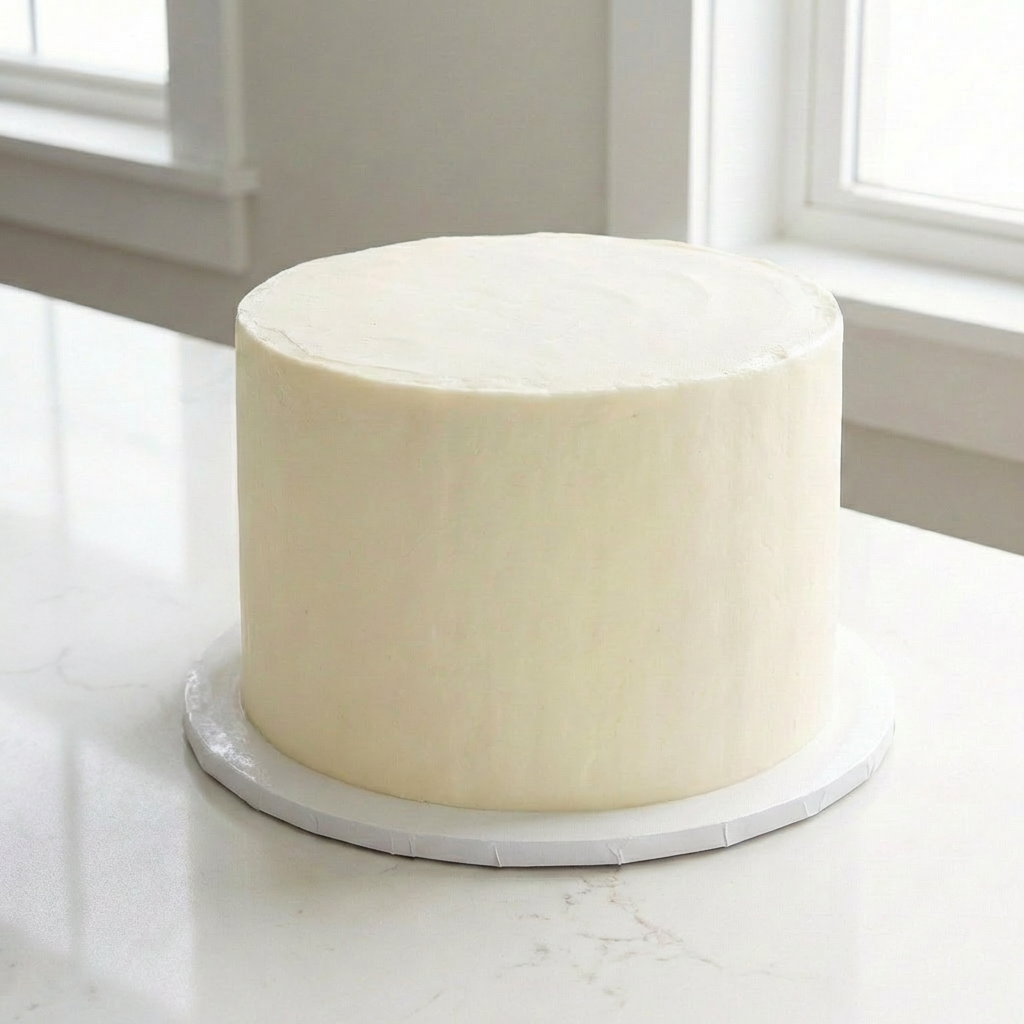
Decorate & Serve
Gently press sprinkles onto the sides of the cake and decorate the top as desired. Let the cake set for at least 30 minutes before slicing. Store covered at cool room temperature for up to 2 days, or refrigerate (bring to room temperature before serving).
Pro-Tips for Birthday Cake Success
- Room Temperature is Everything: Cold ingredients won’t emulsify properly, leading to a dense cake or broken frosting.
- Master the Reverse Cream: Stop mixing when the flour and butter resemble wet sand—this is the key to tenderness.
- Don’t Overmix After Adding Liquids: Overmixing develops gluten and creates a tough cake. Mix just until smooth.
- Ensure Meringue is Cool: The egg white meringue must be completely cool before adding butter, or the frosting will melt and separate.
- Buttercream Too Soft? If your kitchen is warm and the buttercream seems soupy, chill the mixing bowl for 15 minutes, then re-whip.
- Crumb Coat is Essential: The thin first layer of frosting traps loose crumbs, giving you a flawless final coat.
- Use Fresh Baking Powder: Old leavening agents are the #1 cause of flat cakes. Test it if unsure.
This Classic Birthday Cake recipe is a reliable foundation for countless celebrations.